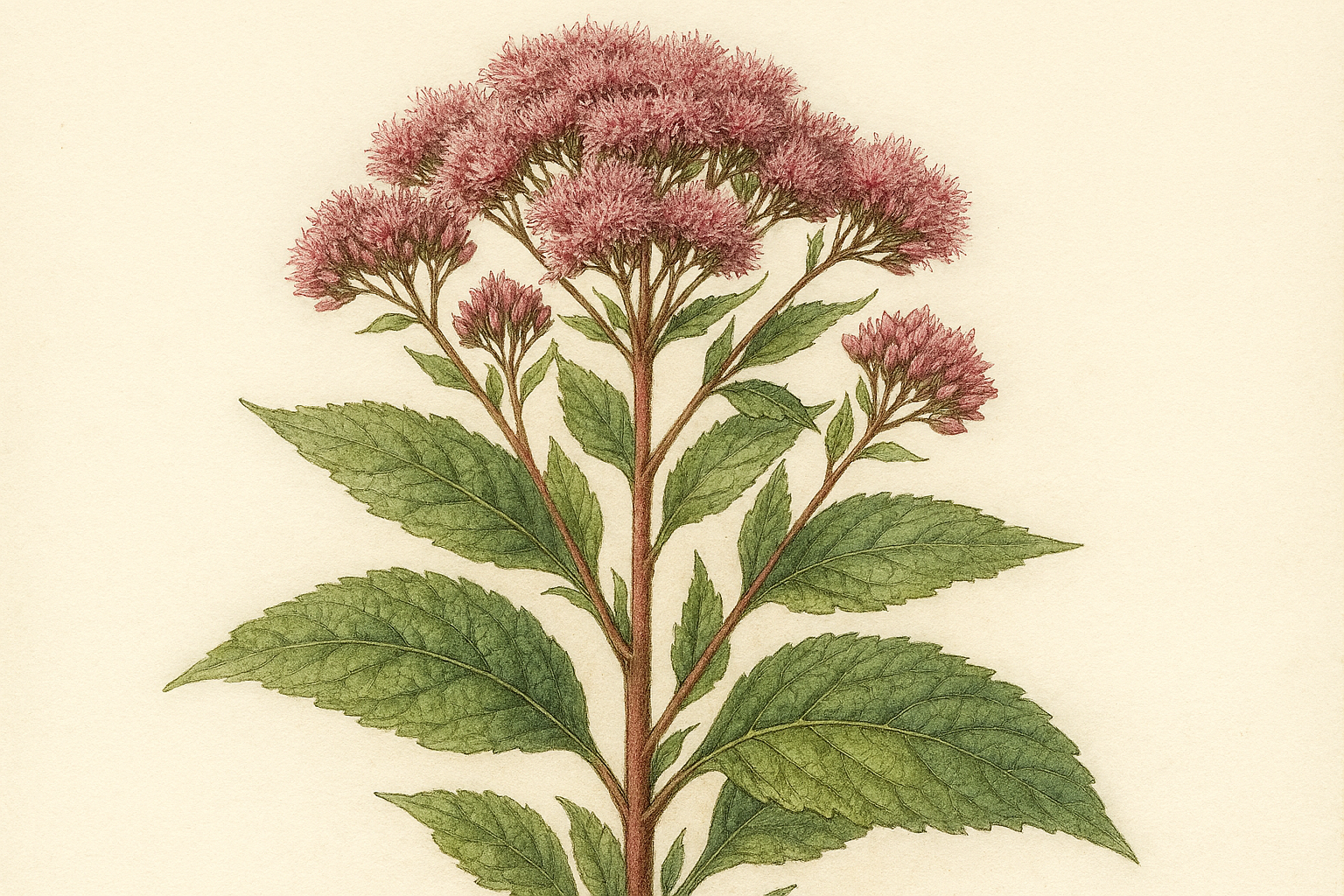
Gravel Root, scientifically known as Eupatorium purpureum (also Eutrochium purpureum) and a member of the Compositae (Asteraceae) family, is a potent herb celebrated for its remarkable ability to support urinary health, relieve joint pain, and promote systemic balance. Known by evocative names such as Joe-Pye Root, Queen of the Meadow, Gravel Weed, Jopi Weed, Purple Boneset, Trumpet-Weed, and Hempweed, this tall perennial thrives in the meadows and wetlands of North America. Its robust roots, leaves, and flowers, rich in flavonoids and sesquiterpene lactones, have been used for centuries by Native American tribes and herbalists to treat kidney stones, rheumatism, and reproductive issues. In this comprehensive article, we’ll explore the multifaceted benefits of Gravel Root, its nutritional and bioactive profile, and how to safely incorporate it into your wellness routine.

A Meadow Monarch of Healing and Resilience
Gravel Root is a stately herb that graces North American landscapes with its towering stems, whorled leaves, and clusters of pinkish-purple flowers, earning names like Queen of the Meadow for its regal presence and Trumpet-Weed for its tubular blooms. The name Eupatorium honors Mithridates Eupator, a king who used related plants medicinally, while purpureum reflects its vibrant purple hues. Known as Joe-Pye Root, it’s linked to a Native American healer named Joe Pye, who reportedly used it to treat typhus in colonial times. Native tribes, including the Cherokee and Iroquois, called it Gravel Weed for its efficacy against kidney and bladder stones, and Hempweed for its hemp-like leaves.
Gravel Root’s versatility extends beyond medicine—its flowers attract pollinators, supporting ecosystems, and its roots were historically used in dyes. In herbalism, Gravel Root is a cornerstone remedy for urinary tract issues, joint inflammation, and nervous tension, valued for its diuretic, anti-rheumatic, and nervine properties. Research highlights its potential in reducing inflammation and promoting urinary health, though its pyrrolizidine alkaloids require cautious use. Whether brewed as a diuretic decoction, applied as a soothing poultice, or inhaled as a steam, Gravel Root embodies a meadow-born blend of healing, resilience, and vitality, inviting us to use it mindfully for urinary and joint wellness.

Body Systems and Organs Supported by Gravel Root
Gravel Root’s therapeutic reach spans multiple body systems, making it a versatile herb that promotes urinary health, joint comfort, and nervous system balance. It supports:
- Nervous: Calms tension and promotes relaxation.
- Urinary: Enhances kidney and bladder function, reducing stones and infections.
- Reproductive: Supports pelvic health and reproductive organ tone.
Gravel Root influences key organs, including the kidney, bladder, liver, and stomach, while its actions target bladder, kidneys, liver, and stomach tissues, making it an ideal remedy for urinary disorders, rheumatism, and pelvic issues.

Bioactive and Medicinal Power of Gravel Root
Gravel Root’s therapeutic potency stems from its rich array of bioactive compounds, including:
- Flavonoids: Euparin, quercetin, offering antioxidant and anti-inflammatory benefits.
- Oleoresins: Eupatorin, eupurpurin, contributing to its anti-rheumatic effects.
- Sesquiterpene Lactones: Support its anti-inflammatory and relaxant properties.
- Other Compounds: Resin, essential oil, tannins, driving its astringent and diuretic actions.
Compounds that drive Gravel Root’s extensive medicinal actions:
- Anti-rheumatic: Reduces joint inflammation and pain, relieving rheumatism and uric acid deposits.
- Anti-viral: Combats viral infections, supporting immune health.
- Astringent: Tightens tissues, reducing fluid retention and supporting pelvic health.
- Carminative: Relieves gas and bloating, promoting digestive comfort.
- Diuretic: Increases urine production, flushing toxins and aiding kidney stone dissolution.
- Lithotriptic: Helps break down kidney and bladder stones or gravel.
- Nervine: Calms the sympathetic nervous system, reducing stress and tension.
- Relaxant: Eases muscle spasms and pelvic tension, supporting reproductive health.
- Stimulant: Invigorates the body, boosting vitality and circulation.
- Tonic: Strengthens the urinary and nervous systems, promoting overall health.
These actions make Gravel Root a powerful remedy for urinary tract issues, joint pain, and reproductive health, with a balancing, toning profile that supports systemic wellness.

Nutritional Profile
Gravel Root provides a modest array of nutrients, including:
- Protein: Supports tissue repair and overall vitality.
- Polysaccharides: Enhance immune function and gut health.
- Flavonoids and Tannins: Offer antioxidant and astringent benefits.
Its nutrient profile enhances Gravel Root’s role as a tonic, diuretic, and anti-inflammatory herb, particularly for urinary and joint health.

Traditional and Modern Applications
Gravel Root has been a staple in Native American and eclectic herbalism, with applications divided into internal and external uses:
Internal Applications
- Urinary Health: Gravel Root’s diuretic and lithotriptic properties make it a premier remedy for kidney and bladder stones, gravel, water retention, and urinary infections. A decoction (1 oz root boiled in 1 pint water for 1 hour, 1/4 cup every 2 hours) or tincture (1/2 tsp, 3 times daily) flushes toxins, reduces inflammation, and promotes bladder health.
- Rheumatism and Joint Pain: Its anti-rheumatic action relieves joint pain and inflammation caused by uric acid deposits, supporting mobility in conditions like arthritis.
- Reproductive Health: Relaxes and tones pelvic viscera, addressing sterility, threatened abortion, incontinence, and female reproductive issues, particularly when combined with other herbs.
- Digestive Support: Its carminative action relieves gas and bloating, promoting gastrointestinal comfort.
- Nervous System Support: Its nervine and relaxant properties calm the sympathetic nervous system, reducing stress and tension, with effects extending throughout the body.
- Respiratory Health: Leaves used as a steam and inhaled help clear colds and respiratory congestion, leveraging its relaxant and anti-viral properties.
External Applications
- Wound and Burn Healing: A poultice of Gravel Root roots or leaves soothes burns and promotes tissue repair, utilizing its astringent and anti-inflammatory properties.
- Topical Relief: Applied as a compress, it reduces inflammation and supports healing of skin irritations or joint pain.

Dosage and Preparation
Gravel Root can be prepared as an infusion, decoction, tincture, powder, capsule, poultice, or steam, with dosages tailored to the condition:
- Infusion: Steep 1–2 tsp dried root, leaves, or flowers in 1 cup hot water for 10–15 minutes, taken as 1 cup every 2 hours for diuretic or anti-rheumatic effects.
- Decoction: Boil 1 oz root in 1 pint water for 1 hour, taken as 1/4 cup every 2 hours for kidney stones, bladder issues, or reproductive health.
- Tincture: 1/2 tsp (2–3 mL), taken 3 times daily, diluted in water or juice, for urinary or joint support.
- Powder: 3–9 g or 3 capsules daily, mixed with water or in formulas, for tonic and anti-inflammatory benefits.
- Capsules: 3 capsules (standardized to 500 mg) daily, taken with meals for convenience.
- Poultice: Crush fresh or dried roots/leaves into a paste, applied to burns or inflamed joints.
- Steam: Boil leaves in water, inhaling the steam for colds or respiratory congestion.
Important: Gravel Root is best used in combination with other herbs (e.g., hydrangea, parsley) to enhance efficacy and reduce the risk of side effects. Rotate use every 6 weeks to minimize pyrrolizidine alkaloid exposure, and source sustainably to protect wild populations.

Cautions and Contraindications
Gravel Root requires cautious use due to its potency and pyrrolizidine alkaloid content:
- Large Doses: Excessive use may induce vomiting; adhere to recommended dosages (e.g., 1/2 tsp tincture, 3–9 g powder).
- Pyrrolizidine Alkaloids (PAs): Contains PAs, which can be toxic to the liver and lungs with prolonged exposure. Rotate use every 6 weeks, similar to rotating salad greens, to prevent accumulation. Avoid long-term use without breaks.
- Pregnancy and Nursing: Use cautiously, as its reproductive effects may pose risks; consult a healthcare provider.
- Liver or Lung Conditions: Avoid in cases of pre-existing liver or lung disease due to PA toxicity risks.
- Allergies: Rare allergic reactions may occur, particularly in those sensitive to Compositae plants (e.g., ragweed, daisies). Test topically before extensive use.
- Drug Interactions: May interact with diuretics, anti-inflammatories, or medications metabolized by the liver; consult a healthcare provider.
- Children: Use cautiously in small doses under supervision, avoiding prolonged use.
- Side Effects: High doses may cause nausea, dizziness, or digestive upset; reduce dose or discontinue if these occur.

Synergistic Combinations and Substitutions
Gravel Root works best in formulas, pairing well with other herbs to enhance its effects and balance its potency:
- With Hydrangea and Parsley: A powerful blend for kidney stones and gravel, combining lithotriptic and diuretic properties.
- With Marshmallow: Soothes irritated urinary tissues, balancing Gravel Root’s astringent effects.
- With Ginger: Enhances carminative and anti-inflammatory effects, supporting digestion and joint health.
- With Skullcap: Boosts nervine effects, calming nervous tension and supporting relaxation.
- With Corn Silk: Supports urinary health, reducing inflammation and promoting diuresis.
For substitutions:
- Hydrangea: Offers similar lithotriptic and diuretic effects, ideal for kidney stones and urinary health.
- Corn Silk: A gentler diuretic for urinary issues, lacking Gravel Root’s anti-rheumatic properties.
- Uva Ursi: Supports urinary infections but is less effective for stones or rheumatism.

Cultural and Historical Significance
Gravel Root’s history spans centuries, rooted in Native American and eclectic traditions. The Cherokee used it for kidney stones, rheumatism, and reproductive issues, while the Iroquois brewed it for fevers and urinary complaints. Its name Joe-Pye Root honors a Native American healer who used it to treat typhus in the 18th century, earning colonial admiration. In the 19th century, eclectic physicians prescribed Gravel Root for urinary and joint disorders, valuing its diuretic and anti-rheumatic properties. Its purple flowers and tall stature made it a meadow landmark, inspiring names like Queen of the Meadow. Today, Gravel Root is a niche remedy in herbalism, used in urinary tonics and anti-inflammatory blends, though its pyrrolizidine alkaloids and conservation concerns emphasize cautious, sustainable use.

Gravel Root (Eupatorium purpureum) is a Joe-Pye weed of urinary and joint health, blending meadow resilience with profound healing power. From dissolving kidney stones and relieving rheumatism to calming nerves and toning pelvic organs, this Queen of the Meadow offers a holistic path to wellness. Its bioactive compounds, including euparin, quercetin, and sesquiterpene lactones, deliver diuretic, anti-rheumatic, and nervine benefits, making it a versatile remedy for urinary disorders, joint pain, and reproductive health.
Whether taken as a diuretic decoction, applied as a healing poultice, or inhaled as a steam, Gravel Root invites us to harness its toning energy with mindfulness. Its potency and pyrrolizidine alkaloids require rotation every 6 weeks and careful dosing, and sustainable sourcing is critical to protect wild populations. By incorporating Gravel Root into your routine under the guidance of a healthcare professional, you can unlock its potential to cleanse, strengthen, and balance. Let this Gravel Weed inspire you to explore the timeless wisdom of herbal medicine, connecting you to a legacy of health and vitality.




Leave a Reply