
We humans are eternal wanderers in a universe that once forged us in stellar fire. Every atom in our bodies traces back to ancient stars, and within that cosmic heritage lies carbon—the elemental backbone of life. Hair, an extension of this stardust form, has been revered across cultures as more than mere biology: a potential bridge to higher consciousness, intuition, and the realms beyond the veil. In many traditions, long hair serves as a spiritual antenna, possibly crystalline in essence, channeling subtle energies from the ether.
Yet, nature provides allies to maintain and enhance this connection. Herbal medicine, rooted in European folk traditions and Native American practices, offers plants rich in minerals—especially silica—that support hair’s strength, growth, and vitality. These herbs not only nourish the physical strand but may symbolically and energetically sustain our link to the divine. This article weaves together the scientific wonder of our stellar origins, the spiritual lore of hair from Native American, Viking/Norse, and Celtic/Scottish perspectives, and the practical, healing power of herbal traditions to invite deeper reflection on how we care for our bodies and spirits.

The Cosmic Forge: Humans as Star-Made Beings Built on Carbon
The story begins billions of years ago in the hearts of dying stars. The Big Bang produced mostly hydrogen and helium, but heavier elements like carbon emerged through stellar nucleosynthesis. In massive stars, fusion chains created carbon, oxygen, and more before supernova explosions scattered these across space. On Earth, this stardust coalesced into life, with carbon forming the chains of DNA, proteins, and the keratin that makes up hair.
Carbon’s versatility—bonding in complex structures—makes it life’s foundation. We’re literally recycled star matter, a fact that inspires awe: the same processes that lit distant galaxies pulse in our veins. This cosmic interconnectedness echoes spiritual views of unity, where the individual self merges with the universal. Hair, grown from these elemental building blocks, becomes a personal reminder of our stellar ancestry.

Hair as a Spiritual Conduit: Antennas, Crystals, and the Ether
Many traditions view hair as far more than dead protein. In various cultures, uncut hair preserves life force, acting as an “antenna” to draw in cosmic energy or enhance intuition. Some esoteric ideas propose hair’s silica content gives it crystalline properties, akin to quartz, allowing it to receive ethereal vibrations or information from “beyond the veil”—that subtle boundary between physical reality and spiritual dimensions of light, wisdom, and interconnected souls.
Scientifically, hair is keratin with trace silica (silicon dioxide), a mineral abundant in Earth’s crust and plants. While not literally crystal like quartz, silica contributes to structural integrity. New Age perspectives link this to piezoelectric qualities—generating energy from pressure—suggesting hair could amplify subtle fields. Though unproven empirically, these beliefs persist, prompting us to ask: Does how we treat our hair affect our intuitive attunement?

Herbal Allies: Silica-Rich Plants Supporting Hair’s Strength and Spiritual Vitality
Herbal medicine bridges the physical and mystical, offering remedies that fortify hair while honoring its deeper role. Silica, concentrated in certain plants, is key—often called the “beauty mineral” for supporting collagen, connective tissue, and resilience against breakage.
Horsetail (Equisetum arvense) stands out as one of nature’s richest silica sources, a plant with a long history in European folk medicine. Known in traditional remedies for strengthening hair and reducing brittleness, horsetail has been used in rinses, teas, or infusions to nourish follicles, promote shine, and enhance resilience—potentially supporting the “antenna” function by maintaining healthy, vibrant strands.

Stinging nettle (Urtica dioica) complements this, delivering iron, calcium, silica, and sulfur—nutrients vital for keratin synthesis and scalp health. In European traditions, nettle teas or rinses have long been employed to stimulate circulation, modulate factors linked to thinning, and add luster, fostering robust growth that aligns with spiritual views of vitality.

In Native American traditions, hair care often involves natural elements from the earth, with plants used to maintain luster and health as part of holistic well-being. Herbs like these mineral-rich ones echo the reverence for nature’s gifts in sustaining physical and spiritual harmony.
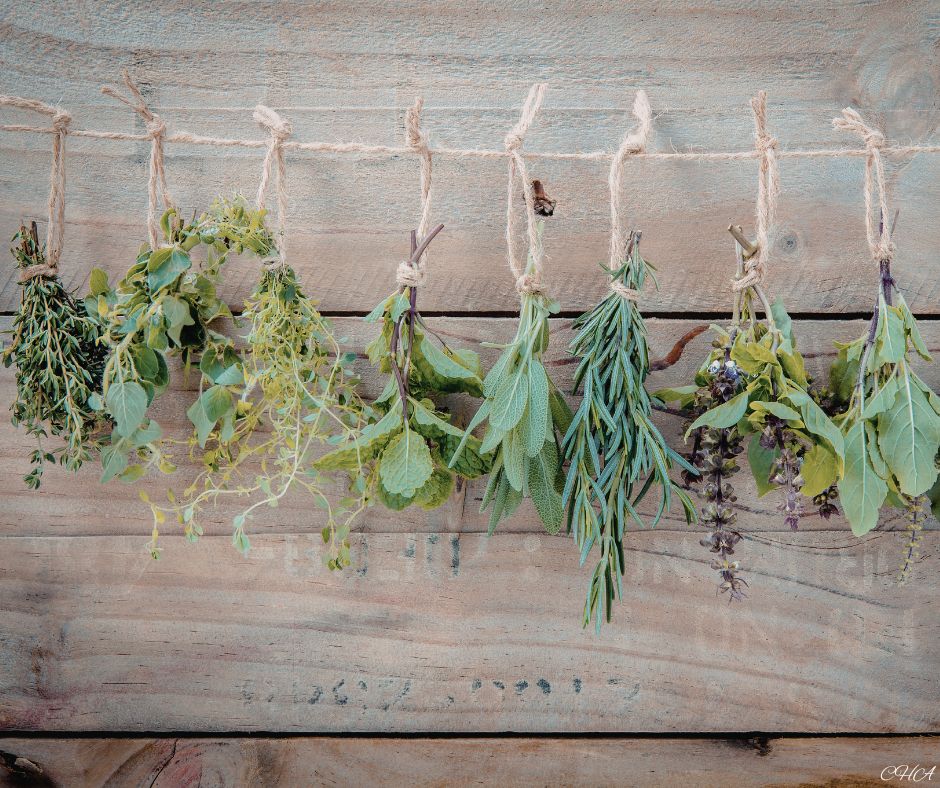
Other supportive European folk herbs include rosemary, used historically to improve circulation and revitalize dull hair, as well as chamomile for soothing the scalp. These plants not only address physical concerns like breakage or loss but invite a holistic practice: nurturing hair as an act of self-reverence, preserving its potential spiritual conduit.

Cultural Reverence for Long Hair: Spiritual Connections Across Traditions
Across cultures, long hair symbolizes strength, purity, and divine connection.
In Native American traditions, hair is sacred and significant to identity, family, and community. Many tribes view long hair as a physical manifestation of spiritual growth, representing strength, connection to ancestors, and extrasensory perception. It ties to Mother Earth, whose prairie grasses symbolize her hair. Cutting hair often signifies grief or major life changes, and braiding fosters bonding and reinforces the sacredness of relationships. Long hair is believed to enhance intuition, protect from negative energy, and connect to the spirit world.
Among Vikings and Norse peoples, hair held symbolic meaning tied to strength, honor, and spiritual power. Long hair and elaborate braids (often with beads or knots) represented status, identity, and even connections to the gods or fate. Hairstyles like warrior braids or flowing locks evoked the power of figures in sagas, with grooming practices reflecting cultural pride and practicality in battle or daily life.
In Celtic and Scottish Highland traditions, long hair was a status symbol for warriors, with distinctive styles possibly carrying spiritual connotations. The ancient Celts were known as “Long-Haired Gauls” to the Romans, and hair symbolized beauty, power, and supernatural abilities. In folklore, it linked to the soul residing in the head, with elaborate grooming and certain styles invoking protection or divine favor.
These practices underscore hair’s role in fostering a sense of wholeness and connection to the sacred, often preserved through natural care.
The Modern Shift: Short Hair in Older Women and Reflections on Intuition
Today, many older women choose shorter styles for ease, hormonal changes, or fashion. Menopause thins hair, and short cuts appear fuller while defying ageist norms. Yet, some spiritual views suggest cutting severs stored energies or intuitive channels, potentially dimming sensitivity.
Herbal medicine offers balance: even with shorter hair, silica-rich herbs like horsetail or nettle support remaining strands’ health and scalp vitality through teas, rinses, or infusions. Short hair might symbolize renewal—shedding old burdens—or adaptation. The key question: Does our hairstyle choice honor or hinder our inner connection? Herbs remind us care can be intentional, regardless of length.

Embracing the Whole: Stardust, Hair, Herbs, and Eternal Connection
We are star-forged, carbon-woven beings whose hair may whisper cosmic truths. Herbal allies—horsetail’s silica fortitude, nettle’s mineral richness, rosemary’s revitalizing touch—help sustain this vessel, physically and perhaps energetically, drawing from European folk wisdom and Native American earth reverence. In tending our hair with intention, we honor our origins and potential for transcendence.
Whether keeping length to amplify intuition or trimming for renewal, let herbal wisdom guide gentle, reverent care. In every strand lies stardust; in every remedy, nature’s quiet support for the journey beyond the veil.


Leave a Reply