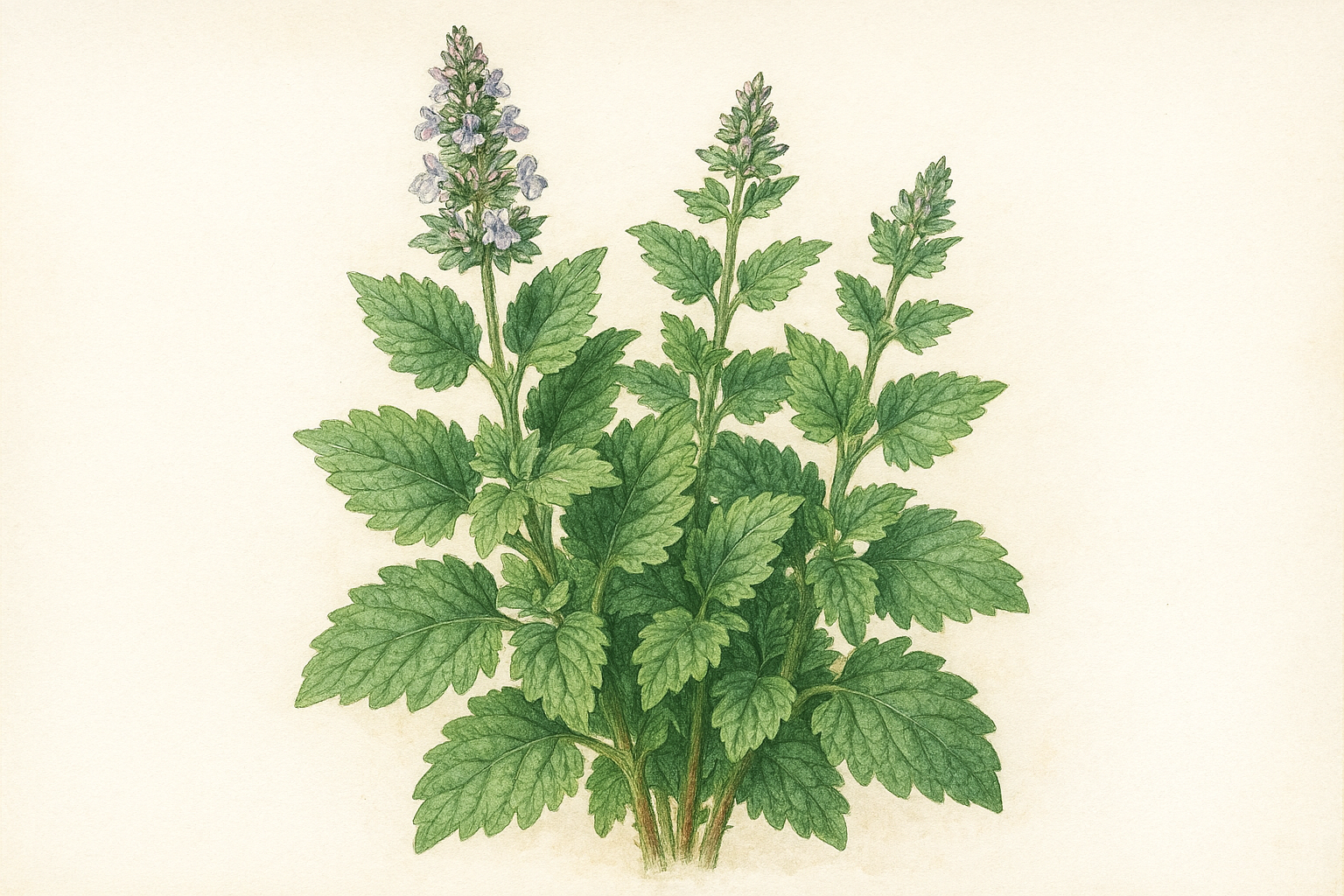
Catnip, scientifically known as Nepeta cataria and a member of the Labiatae (Lamiaceae) family, is a beloved herb celebrated for its soothing effects on both humans and felines alike. Known by common names such as Catmint and Catnip, this perennial plant, native to Europe and Asia but naturalized worldwide, has been a cornerstone of herbal medicine for centuries. Its leaves and flowering tops, rich in volatile oils and iridoids, offer remarkable support for digestion, nervous system health, and fever relief. In this comprehensive article, we’ll explore the multifaceted benefits of catnip, its nutritional and bioactive profile, and how to safely incorporate it into your wellness routine.

A Herb of Comfort and Curiosity
Catnip is a hardy, aromatic herb that thrives in sunny, well-drained soils, its soft, heart-shaped leaves and clusters of white or lavender flowers exuding a minty, slightly lemony scent. The name Nepeta derives from the ancient Etruscan city of Nepi, where the plant was cultivated, while cataria reflects its irresistible allure to cats, who roll in and nibble its leaves with delight. In human herbalism, catnip has long been cherished as a gentle, child-friendly remedy, used by European, Native American, and Chinese healers to calm nerves, soothe digestive woes, and reduce fevers.
Catnip’s versatility extends beyond medicine—its aromatic leaves are brewed into teas, used in culinary recipes, and even incorporated into insect-repellent sprays. In traditional folklore, catnip was believed to promote restful sleep and ward off nightmares, making it a staple in bedtime rituals. Today, catnip remains a popular herb in herbal medicine, with research highlighting its potential in relieving anxiety, supporting digestion, and combating infections. Whether sipped as a calming tea, applied as a poultice, or used in a relaxing bath, catnip embodies a gentle blend of comfort, curiosity, and healing power.

Body Systems and Organs Supported by Catnip
Catnip’s therapeutic reach primarily targets the digestive and nervous systems, with a focus on soothing and balancing bodily functions. It supports:
- Digestive: Relieves gas, bloating, and indigestion, promoting smooth digestion.
- Nervous: Calms nervous tension, reduces anxiety, and promotes restful sleep.
Catnip influences key organs, including the stomach and nervous system, while its actions extend to stomach tissues, nerves, and skin glands, making it an ideal remedy for digestive disorders, nervous conditions, and fever management.

Bioactive and Medicinal Power of Catnip
Catnip’s therapeutic potency stems from its rich array of bioactive compounds, including α- and β-nepetalactone, citronella, α- and β-citral, limonene, geraniol, thymol, carvacrol, iridoids (epideoxyloganic acid, 7-deoxyloganic acid), tannins, and bitter principles. These compounds contribute to its extensive medicinal actions:
- Anodyne: Relieves pain, including headaches, muscle aches, and menstrual cramps.
- Antacid: Neutralizes excess stomach acid, easing indigestion and heartburn.
- Antibacterial: Combats bacterial infections, supporting immune health.
- Antispasmodic: Relaxes muscle spasms, particularly in the digestive tract and uterus.
- Aromatic and Carminative: Reduces gas, bloating, and flatulence, promoting smooth digestion.
- Astringent: Tightens tissues, aiding in diarrhea and minor bleeding.
- Anti-flatulent: Prevents and relieves excessive gas in the digestive system.
- Antipyretic and Diaphoretic: Reduces fevers and induces sweating, aiding detoxification and temperature regulation.
- Diffusive: Disperses congestion and promotes circulation, enhancing overall vitality.
- Emmenagogue: Stimulates menstrual flow, supporting menstrual cycle regulation.
- Nervine: Calms the nervous system, reducing anxiety, nervousness, and insomnia.
- Refrigerant: Provides a cooling effect, relieving fevers and hot flashes.
- Relaxant and Sedative: Eases tension and promotes relaxation, aiding sleep and stress relief.
- Stimulant: Enhances mental alertness and focus in small doses.
- Stomachic: Tones and strengthens the stomach, improving digestion and appetite.
- Tonic: Supports overall vitality, particularly for the digestive and nervous systems.
These actions make catnip a versatile remedy for colds, digestive disorders, nervous tension, and menstrual discomfort, with a gentle, child-friendly profile that sets it apart.

Nutritional Profile
Catnip provides a modest but valuable array of nutrients, including:
- Minerals: Potassium (supports nerve and muscle function), phosphorus (bone health), and manganese (metabolic processes).
- Volatile Oils: Enhance digestion and respiratory health with antimicrobial and aromatic properties.
- Tannins: Offer astringent and antioxidant effects, supporting tissue health.
While not a primary source of macronutrients, catnip’s bioactive compounds amplify its role as a digestive and nervous system tonic.

Traditional and Modern Applications
Catnip has been a staple in herbal medicine across cultures, with modern applications building on its traditional uses. Its applications are divided into internal and external uses:
Internal Applications
- Colds, Flu, and Fevers: Catnip’s antipyretic and diaphoretic properties make it a go-to remedy for colds, flu, and upper respiratory ailments. It reduces fevers, relieves congestion, and induces restful sleep, particularly in bronchitis. An infusion (1–4 g steeped in 1 cup boiling water, taken 1–3 times daily) or tincture (2–6 mL, 1:5, 3 times daily) supports these conditions.
- Digestive Health: Its carminative, antispasmodic, and anti-flatulent actions relieve colic, flatulence, indigestion, nervous dyspepsia, and diarrhea. For colic or gas, a strong infusion (1 oz herb in 1 pint boiling water, sipped as 2 tbsp for adults or 2/3 tbsp for children frequently) is effective. Catnip is gentle enough for children and stimulates appetite in cases of digestive weakness.
- Nervous System Support: Its nervine, relaxant, and sedative properties calm anxiety, hysteria, insomnia, and tension headaches. Catnip is a well-liked, child-safe tea for promoting relaxation and sleep, often used at bedtime.
- Menstrual Health: Its emmenagogue action supports menstrual flow, easing cramps and regulating cycles, making it valuable for women’s health.
- Culinary Use: Catnip leaves can be brewed into teas or added sparingly to recipes for their minty flavor, providing mild digestive and calming benefits.
External Applications
- Pain and Inflammation Relief: A tincture (small amount rubbed onto affected areas) or poultice (crushed leaves or steeped herb applied to skin) relieves rheumatism, arthritis, and painful swellings.
- Nervous and Digestive Support: A warm catnip enema soothes nervousness, hysteria, colic, fever, and bowel problems, providing rapid relief.
- Relaxation and Fever Relief: Adding 1/4–1/2 cup of dried catnip (powdered or wrapped in cheesecloth) to a bath promotes deep relaxation, induces sweating, and relieves fevers.
- Insect Repellent: Catnip tincture or essential oil, combined with herbs like citronella or eucalyptus, creates an effective bug spray, leveraging nepetalactone’s repellent properties.

Dosage and Preparation
Catnip can be prepared as an infusion, tincture, poultice, bath, or aromatic blend, with dosages tailored to the condition:
- Infusion/Tea: Steep 1–4 g (1–2 tsp) dried herb in 1 cup boiling water for 5–15 minutes, taken as 1 oz to 1 cup up to 3 times daily. For colic or flatulence, use 1 oz herb in 1 pint boiling water, sipped frequently (2 tbsp for adults, 2/3 tbsp for children).
- Tincture: 2–6 mL (1:5), taken 3 times daily, diluted in water or juice, or rubbed sparingly onto painful areas for rheumatism or arthritis.
- Poultice: Crush fresh or steeped dried herb, applied to painful swellings or inflamed joints.
- Bath: Add 1/4–1/2 cup dried catnip (powdered or in cheesecloth) to bathwater for relaxation or fever relief.
- Aromatic Mist: Combine catnip hydrosol with peppermint, spearmint, or lavender for a cooling, calming spray or diffuser blend.
- Smoking Blend: Mix with mullein and mugwort for a relaxing, mildly euphoric effect (use sparingly).
Always start with a low dose and consult a healthcare professional, especially for children or long-term use.

Cautions and Contraindications
Catnip is generally safe but requires caution in certain conditions:
- Pregnancy: Avoid due to its slight emmenagogue properties, which may stimulate uterine contractions.
- Central Nervous System Medications: Avoid in large doses with CNS depressants (e.g., barbiturates, anticonvulsants, or over-the-counter cough/cold medications containing diphenhydramine or doxylamine), as catnip may enhance sedation.
- Sedative Herbs: Use cautiously with hops, kava kava, St. John’s wort, or valerian, as combinations may cause excessive sleepiness unless in small, synergistic doses.
- Driving or Operating Machinery: Avoid large doses, as catnip’s sedative effects may impair alertness.
- Allergies: Rare allergic reactions may occur, particularly in those sensitive to Lamiaceae plants (e.g., mint, basil).

Synergistic Combinations and Substitutions
Catnip works best in formulas, pairing well with other herbs to enhance its effects:
- With Chamomile: Creates a soothing, relaxing tea blend for bedtime, combining catnip’s mild calming effects with chamomile’s anti-anxiety and sleep-promoting properties.
- With Mullein and Mugwort: Forms a relaxing smoking blend with a mild “heady hum,” ideal for stress relief (use sparingly).
- With Peppermint or Spearmint: Combines in a hydrosol for a cooling, minty mist, used as a body spray or linen mist.
- With Lavender: Blends in aromatherapy for a tranquil, calming effect when diffused or misted.
- With Fennel, Ginger, or Peppermint: Forms a digestive tea to soothe upset stomachs, leveraging carminative properties.
- With Citronella, Lemongrass, or Eucalyptus: Enhances homemade insect-repellent sprays, amplifying catnip’s bug-deterring effects.
For substitutions, Chamomile or Meadowsweet offer similar calming and digestive benefits, though they lack catnip’s antipyretic and emmenagogue properties.

Cultural and Historical Significance
Catnip’s history is deeply rooted in global herbal traditions. In medieval Europe, it was brewed into teas to calm nerves, reduce fevers, and soothe children’s ailments, earning it a reputation as a gentle, family-friendly herb. Native American tribes used it for colds, digestive issues, and as a sedative, often combining it with other herbs in ceremonial practices. In Chinese medicine, catnip (jing jie) was used to clear heat and relieve respiratory congestion. Its playful association with cats, driven by nepetalactone’s euphoric effects, has made it a cultural icon, featured in folklore and modern pet products. Today, catnip is a staple in herbal teas, tinctures, and aromatherapy, with research exploring its antibacterial, sedative, and insect-repellent potential.

Catnip (Nepeta cataria) is a gentle herb that blends calming comfort with potent digestive and nervous system relief. From soothing colds, fevers, and digestive woes to easing anxiety, insomnia, and menstrual cramps, this versatile plant offers a holistic path to wellness. Its bioactive compounds, including nepetalactone, citronella, and iridoids, deliver antispasmodic, carminative, and sedative benefits, making it a child-friendly remedy for a wide range of ailments.
Whether sipped as a relaxing tea, applied as a pain-relieving poultice, or used in a cooling bath, catnip invites us to harness its soothing energy with mindfulness. Cautious use is essential during pregnancy or with CNS medications to avoid excessive sedation. By incorporating catnip into your routine under the guidance of a healthcare professional, you can unlock its potential to calm, heal, and rejuvenate. Let this catmint inspire you to explore the timeless wisdom of herbal medicine, connecting you to a legacy of gentle comfort and vitality.



Leave a Reply