
Cortisol is often called the “stress hormone,” but it’s so much more than that. Produced by your adrenal glands (small organs sitting on top of your kidneys), cortisol is a steroid hormone that plays essential roles in keeping you alive and functioning every single day. Think of it as your body’s natural alarm clock and energy manager—it helps you wake up, respond to challenges, and stay balanced. But when levels stay too high for too long, it can start working against you. Today we’ll break down exactly what cortisol does, what pushes levels up, and how certain herbal remedies can help bring them back into a healthy range.

What Cortisol Actually Does in Your Body
Cortisol is released in a daily rhythm: it’s highest in the morning (to help you feel alert and energetic) and lowest at night (to let you wind down and sleep). Here’s what it does, step by step:
- Powers up your metabolism: It raises blood sugar so your muscles and brain have quick fuel. It also helps break down stored fat and protein when your body needs extra energy.
- Handles stress: In a short-term “fight-or-flight” situation (like dodging traffic or meeting a deadline), cortisol works with adrenaline to sharpen focus, raise heart rate and blood pressure, and give you a burst of energy.
- Keeps inflammation in check: It acts like a natural anti-inflammatory, calming your immune system so it doesn’t overreact.
- Supports blood pressure, sleep, and more: It helps regulate blood pressure, controls your sleep-wake cycle, and even plays a role in memory and mood.
Short-term cortisol = helpful friend.
It gets you through a tough workout, an exam, or a sudden emergency. Once the stress passes, levels drop and everything returns to normal.
Long-term (chronic) high cortisol = problem.
When stress never really lets up, cortisol stays elevated. Over months or years this can lead to:
- Weight gain, especially around the belly
- High blood pressure
- Trouble sleeping or constant fatigue
- Weakened immune system (more colds and slower healing)
- Anxiety, irritability, or low mood
- Muscle weakness and bone thinning
- Blood sugar imbalances
In extreme cases, persistently high cortisol is linked to conditions like Cushing syndrome, but most people experience milder, stress-related rises that still take a toll.
What Causes Cortisol Levels to Climb?
The biggest culprit is chronic stress—the kind that feels constant rather than occasional. Other common factors include:
- Poor or insufficient sleep (even one bad night can raise levels the next day)
- Shift work or jet lag that messes with your natural day-night rhythm
- Long-term use of corticosteroid medications (like prednisone for asthma or arthritis)
- Medical issues such as pituitary or adrenal gland tumors (rare, but important to rule out)
- Unmanaged conditions like obesity, diabetes, or ongoing inflammation
Everyday habits like high caffeine intake, very intense exercise without recovery, or emotional burnout can quietly keep cortisol higher than ideal.
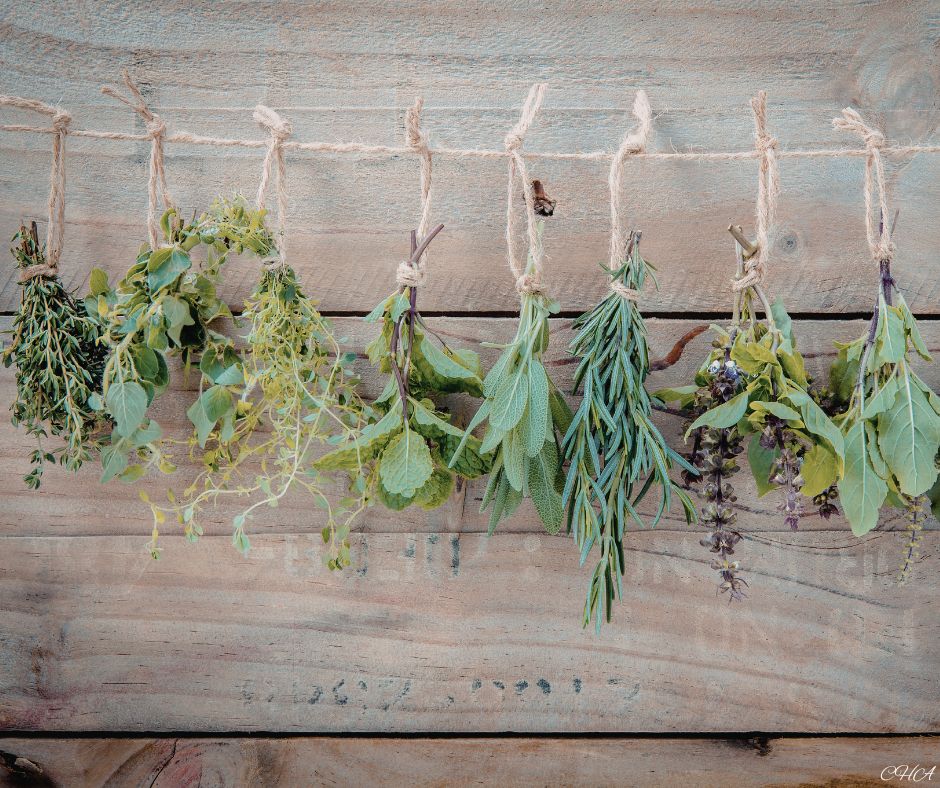
Herbal Remedies That Can Help Lower Cortisol
The good news? Certain plants—especially adaptogens—have been studied for their ability to help the body adapt to stress and gently bring cortisol back down. Adaptogens work by supporting the hypothalamic-pituitary-adrenal (HPA) axis, the system that controls your stress response. They don’t just mask symptoms; they help restore balance.
Here are the most evidence-backed herbal options:
Ashwagandha (Withania somnifera)
This Ayurvedic herb is the standout star for cortisol. Multiple clinical trials and a meta-analysis show it can lower serum (blood) cortisol levels by 11–32% in stressed adults after 8 weeks of use. People also report less anxiety, better sleep, and improved mood. Typical studied dose: 250–600 mg of root extract daily. It’s generally well-tolerated, but start low and check with your doctor if you’re pregnant, breastfeeding, or on thyroid medication.

Rhodiola rosea
Known as an energy-and-focus adaptogen, rhodiola helps reduce fatigue and the cortisol spike that happens during stressful situations. Studies show it improves mental performance under pressure while lowering overall stress markers. It’s especially helpful if burnout or mental fog is your main issue. Typical dose in research: 200–400 mg of standardized extract daily.

Holy Basil (Tulsi – Ocimum sanctum)
A gentle calming herb used in traditional medicine, holy basil has been shown in some studies to reduce cortisol by up to 17% while supporting healthy blood sugar and a sense of calm. It’s often taken as tea or in capsule form and pairs nicely with the other two.

Important safety notes on herbal remedies:
- These are not magic pills. Results usually appear after 4–8 weeks of consistent use.
- Supplements are not strictly regulated, so choose reputable brands with third-party testing.
- Always talk to your doctor first—especially if you have a medical condition, take medications, or are pregnant. Herbs can interact with drugs (for example, ashwagandha may affect thyroid levels).
- They work best alongside lifestyle changes, not instead of them.
Putting It All Together
Cortisol isn’t the enemy—it’s a vital hormone that keeps you alive and responsive. The real issue is when modern life keeps the alarm blaring nonstop. By understanding its roles and addressing the root causes (stress, sleep, daily habits), you can keep levels healthy.
Simple daily habits that complement herbal support:
- Aim for 7–9 hours of quality sleep
- Move your body regularly (but not excessively)
- Practice short breathing or mindfulness exercises
- Eat balanced meals with protein, healthy fats, and fiber
- Limit caffeine after midday
If you suspect your cortisol is chronically high (unexplained weight gain, constant fatigue, high blood pressure, or mood changes), see your doctor for a simple blood or saliva test. They can rule out medical causes and guide you safely.
Your body is remarkably good at healing when given the right tools. With a little knowledge and some gentle herbal allies like ashwagandha and rhodiola, you can help your stress response work for you again—not against you. Start small, stay consistent, and give yourself grace—your cortisol (and your whole self) will thank you.


Leave a Reply