
Cleavers, scientifically known as Galium aparine and a member of the Rubiaceae family, is a humble yet potent herb celebrated for its remarkable ability to cleanse the lymphatic and urinary systems. Known by evocative names such as Bedstraw, Goose Grass, Catchstraw, and Cleavers, its name aparine derives from the Greek apairo, meaning “to seize,” reflecting its clinging, sticky nature due to tiny hooked bristles. Native to Europe, North America, and Asia, cleavers’ aerial parts and fresh juice have been used for centuries to dissolve kidney stones, reduce inflammation, and purify the blood. In this comprehensive article, we’ll explore the multifaceted benefits of cleavers, its nutritional and bioactive profile, and how to safely incorporate it into your wellness routine.

A Clinging Ally of Purification
Cleavers is an annual herb that thrives in moist, shady areas, its sprawling stems and whorled leaves forming a tangled mat that clings to passersby. The name Goose Grass reflects its appeal to geese, who graze on its tender shoots, and its leaf pattern resembling a goose’s footprint. Bedstraw hints at its historical use as a mattress stuffing, valued for its pleasant scent when dried. In traditional European, Native American, and Chinese herbalism, cleavers was revered as a spring tonic, used to detoxify the body, treat skin conditions, and support kidney function. Its fresh juice was a remedy for acute infections, while its infusions soothed fevers and lymphatic congestion.
Cleavers’ versatility extends beyond medicine—its young leaves are edible, adding a mild, cucumber-like flavor to salads, soups, and smoothies, while its roasted seeds serve as a coffee substitute in Sweden. In folklore, cleavers was believed to ward off snake and spider bites, reflecting its anti-venomous properties. Today, cleavers is a cornerstone of herbal medicine, with research highlighting its anti-neoplastic, anti-inflammatory, and anti-obesity potential. Whether sipped as a cooling tea, applied as a poultice, or used in a soothing wash, cleavers embodies a gentle, clinging blend of purification and vitality.

Body Systems and Organs Supported by Cleavers
Cleavers’ therapeutic reach primarily targets the urinary, lymphatic, and circulatory systems, with a focus on detoxification and fluid balance. It supports:
- Urinary: Promotes kidney function and dissolves stones.
- Lymphatic: Enhances lymph drainage and reduces glandular congestion.
- Circulatory: Purifies the blood and supports cardiovascular health.
Cleavers influences key organs, particularly the kidneys, while its actions extend to urinary mucous membranes, skin, and lymph glands, making it an ideal remedy for lymphatic congestion, kidney stones, and skin disorders.

Bioactive and Medicinal Power of Cleavers
Cleavers’ therapeutic potency stems from its rich array of bioactive compounds, including citric acid, galitannic acid, glycoside asperuloside, rubichloric acid, polyphenolic acids, iridoids (asperuloside, acumin, aucubin), alkanes, anthraquinones, flavonoids, monotropein, protopine, harmine, (±)-vasicinone, (-)-l-hydroxydeoxypeganine, (-)-8-hydroxy-2,3-dehydrodeoxypeganine, p-hydroxybenzoic acid, chlorogenic acid, silicic acid, caffeic acid, p-coumaric acid, cholesterol, campestrol, stigmasterol, sitosterol, Δ5-avenasterol, Δ7-stigmasterol, Δ7-avenasterol, asperulosidic acid, and 10-deacetylasperulosidic acid. These compounds contribute to its extensive medicinal actions:
- Lymphatic Alterative and Detoxifier: Cleanses the blood and lymph, eliminating toxins and reducing lymphatic congestion.
- Adaptogen: Supports the body’s resilience to stress, enhancing overall vitality.
- Anti-neoplastic: Inhibits tumor growth, showing promise in cancer prevention and complementary treatment.
- Non-steroidal Anti-inflammatory: Reduces inflammation, alleviating arthritis and glandular swelling.
- Anti-obesity: Supports weight loss by promoting fluid elimination and metabolic health.
- Aperient: Acts as a mild laxative, relieving constipation and supporting bowel regularity.
- Astringent: Tightens and tones tissues, aiding in skin conditions and mucous membrane health.
- Diuretic: Increases urine production, dissolving kidney stones and reducing edema.
- Immunomodulatory: Balances immune function, supporting recovery from infections and bites.
- Tonic: Strengthens the kidneys, liver, and lymphatic system, promoting overall well-being.
- Refrigerant: Cools the body, soothing fevers and inflammatory conditions.
These actions make cleavers a versatile remedy for lymphatic issues, urinary obstructions, skin diseases, and systemic detoxification, with a cooling, soothing profile that suits acute and chronic conditions.

Nutritional Profile
Cleavers provides a modest but valuable array of nutrients, including:
- Silica: Supports connective tissue, skin, and hair health.
- Starch: Provides energy, supporting recovery during detoxification.
- Chlorophyll: Enhances blood purification and oxygenation.
- Flavonoids and Polyphenolic Acids: Offer antioxidant and anti-inflammatory benefits, protecting against oxidative stress.
Its nutrient profile enhances cleavers’ role as a lymphatic and urinary tonic, making it a valuable addition to detox regimens and culinary uses.

Traditional and Modern Applications
Cleavers has been a staple in European, Native American, and Chinese herbalism, with applications divided into internal and external uses:
Internal Applications
- Lymphatic Health: Cleavers’ lymphatic alterative action increases drainage, easing congestion and swollen glands (e.g., tonsillitis, adenoid trouble, nodular goitre). An infusion (3–9 g or 1/4 cup herb in 1/2 pint water, divided into 3 doses daily) or tincture (2–4 mL, 3–4 times daily) supports these conditions.
- Urinary Support: Its diuretic and anti-neoplastic properties dissolve kidney stones, gravel, and urinary obstructions, while soothing scalding urine and urethritis. Fresh juice (1 tsp every morning) or infusion is effective for acute gonorrhea and bedwetting.
- Detoxification and Blood Purification: Cleavers cleanses the blood, strengthens the liver, and supports hepatitis recovery, acting as a spring tonic for overall vitality.
- Skin Conditions: Its astringent and anti-inflammatory actions treat psoriasis, eczema, and other skin diseases, often combined with herbs like burdock for enhanced effect.
- Fever and Infection: Its refrigerant and anti-inflammatory properties cool scarlet fever, measles, and acute diseases, while its immunomodulatory effects aid recovery from snake and spider bites.
- Weight Loss and Edema: Supports weight loss and reduces fluid retention, counteracting obesity and edema.
- Culinary Use: Young leaves are added to salads, steamed as a vegetable, or blended into soups, providing a nutrient-rich, cucumber-like flavor. Ground seeds serve as a coffee substitute in Sweden.
External Applications
- Skin and Wound Care: A decoction wash cools sunburn, reduces freckles, and heals scalds and burns. Poultices (mixed with oatmeal or linseed meal) treat inflammations, tumors, and cancerous growths, while ointments soothe skin irritations.
- Lymphatic and Breast Health: Poultices or infusions applied to the breast address breast tumors and glandular swelling.
- Bites and Stings: Poultices or washes neutralize venom from snake and spider bites, leveraging anti-venomous properties.
- Fluid Retention: Foot and hand baths with a strong infusion (1.5 oz herb macerated in 1 pint warm water for 2 hours) reduce excess fluid retention.

Dosage and Preparation
Cleavers can be prepared as an infusion, tincture, fresh juice, poultice, ointment, wash, or bath, with dosages tailored to the condition:
- Infusion/Tea: 3–9 g or 1/4 cup herb steeped in 1/2 pint boiling water, divided into 3 doses daily, or 2–4 oz taken as needed for lymphatic or urinary support.
- Tincture: 2–4 mL, taken 3–4 times daily in water, or 1 tsp fresh juice every morning for acute conditions.
- Fresh Juice: 1 tsp every 4–6 hours for acute gonorrhea or urinary issues.
- External Infusion/Wash: 1.5 oz herb macerated in 1 pint warm water for 2 hours, applied as a wash or compress for skin conditions or bites.
- Poultice: Crush fresh herb or mix dried herb with oatmeal or linseed meal, applied to tumors, inflammations, or wounds.
- Ointment: Combine cleavers with a carrier (e.g., beeswax, olive oil) for topical use on burns or skin irritations.
- Bath: Add a strong infusion to bathwater for fluid retention or skin health.
Always start with a low dose and consult a healthcare professional, especially for internal use or chronic conditions.

Cautions and Contraindications
Cleavers is generally safe but requires caution in certain conditions:
- Diabetes: Use conservatively, as it may affect blood sugar regulation; monitor closely and consult a healthcare provider.
- Vata Nervous or Wasting Conditions: Avoid in Ayurvedic Vata imbalances (characterized by dryness, nervousness, or wasting), as its diuretic and cooling properties may exacerbate these conditions.
- Urinary Tract Irritation: May irritate urinary mucous membranes, especially if blood is present in the urine; combine with demulcents like marshmallow to protect the tract.
- Contact Dermatitis: The sap may cause skin irritation in sensitive individuals; test on a small area before extensive use.
- Drug Interactions: May interact with diuretics or blood-thinning medications due to its diuretic and blood-purifying effects; consult a healthcare provider.
- Allergies: Rare allergic reactions may occur, particularly in those sensitive to Rubiaceae plants (e.g., coffee, gardenia).

Synergistic Combinations and Substitutions
Cleavers works best in formulas, pairing well with other herbs to enhance its effects and protect sensitive tissues:
- With Marshmallow Root: Protects urinary passages and soothes irritation, ideal for kidney stones or urethritis.
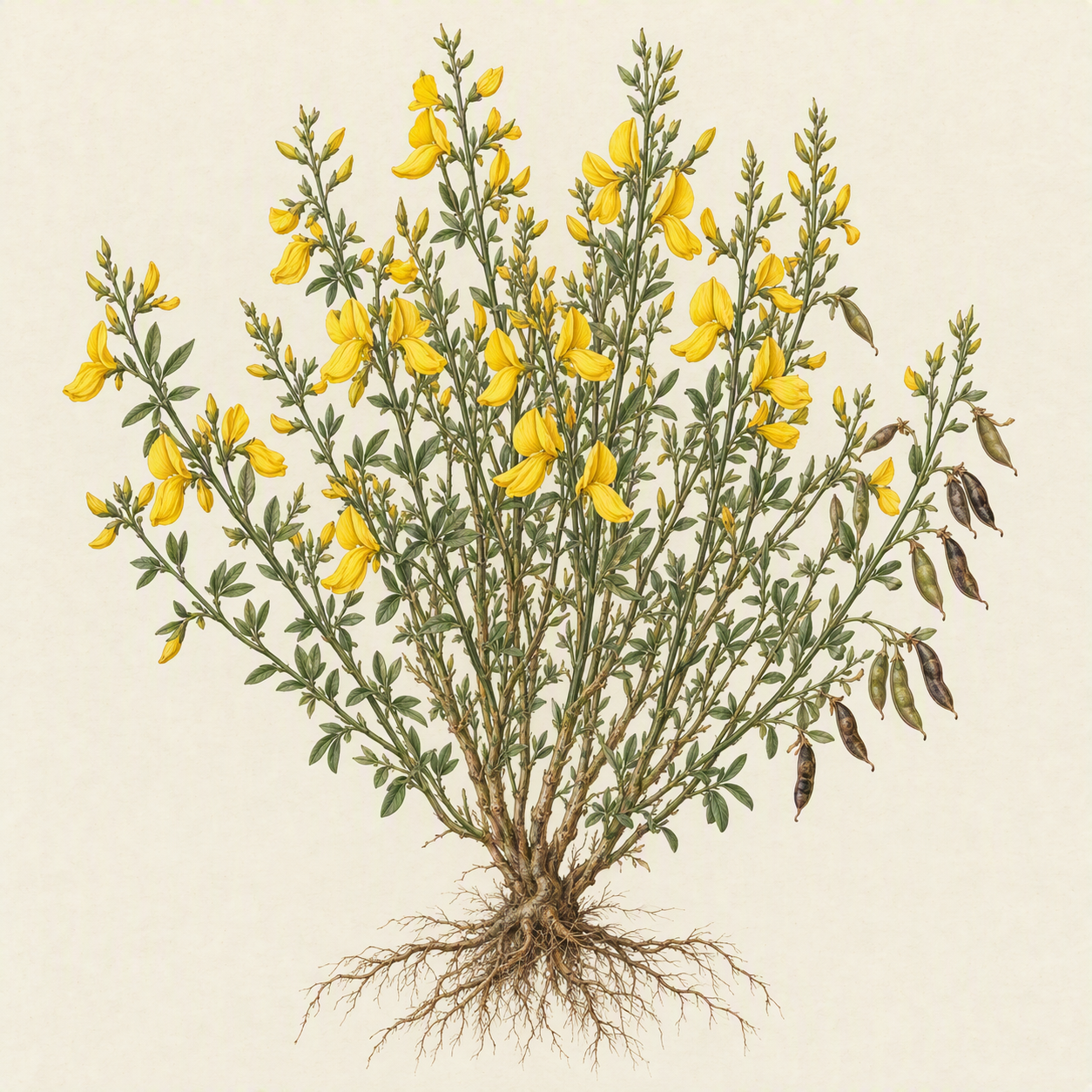
- With Broom, Uva Ursi, Buchu: Enhances stone and gravel dissolution, supporting urinary health.
- With Echinacea, Marigold, Poke Root: Boosts lymphatic drainage and immune support, addressing glandular congestion.
- With Burdock, Yellow Dock: Treats skin conditions like psoriasis and eczema, combining alterative and anti-inflammatory properties.
For substitutions, Couch Grass combined with Chickweed and Burdock offers similar lymphatic and urinary tonic effects, though it lacks cleavers’ anti-neoplastic properties.

Cultural and Historical Significance
Cleavers’ history is deeply rooted in global herbal traditions. In medieval Europe, it was used as a spring tonic to cleanse the blood and treat skin ailments, earning names like Bedstraw for its bedding use and Catchstraw for its clinging nature. Native American tribes applied it to wounds and used it as a diuretic for kidney issues, while in Chinese medicine, it was employed to clear heat and support lymphatic health. Its association with geese reflects its role as a forage plant, and its use as a coffee substitute in Sweden highlights its culinary versatility. Today, cleavers is a key ingredient in detox teas, lymphatic formulas, and skin salves, with research exploring its anti-inflammatory, anti-obesity, and anti-neoplastic potential.

Cleavers (Galium aparine) is a clinging herb that blends gentle tenacity with profound lymphatic and urinary vitality. From dissolving kidney stones and easing lymphatic congestion to purifying the blood and supporting weight loss, this unassuming plant offers a holistic path to wellness. Its bioactive compounds, including asperuloside, flavonoids, and polyphenolic acids, deliver alterative, diuretic, and anti-inflammatory benefits, making it a versatile remedy for urinary issues, skin disorders, and systemic detoxification.
Whether sipped as a cooling tea, applied as a healing poultice, or enjoyed in a nutrient-rich salad, cleavers invites us to harness its purifying energy with mindfulness. Cautious use is essential in diabetes, Vata conditions, or urinary irritation to avoid complications. By incorporating cleavers into your routine under the guidance of a healthcare professional, you can unlock its potential to cleanse, soothe, and rejuvenate. Let this goose grass inspire you to explore the timeless wisdom of herbal medicine, connecting you to a legacy of purification and vitality.


Leave a Reply