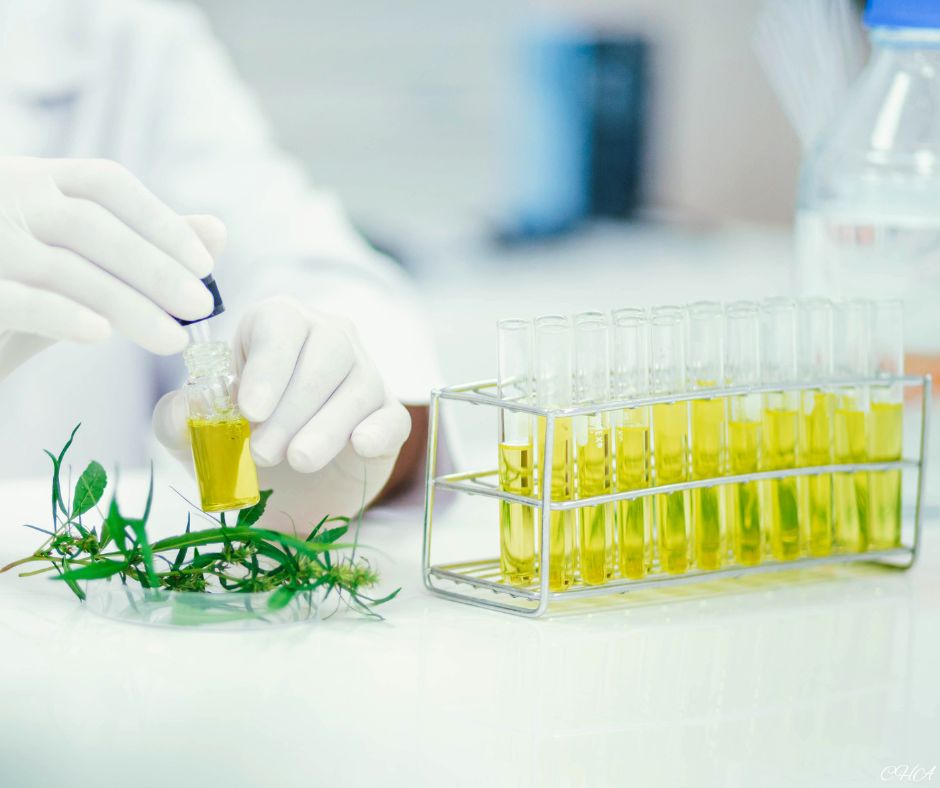
The relationship between plants and pharmaceuticals is profound, with nature providing the blueprint for many of our modern medicines. Here’s an exploration into how plants have shaped drug development:
The Scope of Plant-Based Medicine
- Screening and Discovery: Pharmaceutical companies have screened tens of thousands of plant species, often in collaboration with or learning from indigenous knowledge, to identify medicinal properties.
- Impact on Modern Medicine: Notably, many cancer treatments and a significant number of the top prescribed drugs in the US are derived from plants. This underscores the importance of biodiversity in health care.
Examples of Plant-Derived Drugs
- African Tree (Yohimbe) – Its alkaloid, yohimbine, is used as an aphrodisiac and to treat impotence, particularly diabetes-related.
- Ammi majus – Contains xanthotoxin, vital for treating vitiligo by encouraging skin repigmentation.
- Belladonna – Now supplemented with atropine from the Australian Duboisia species, it’s used in eye surgeries, to manage secretions, and as an antispasmodic for ulcers.
- Chinchona Bark – The source of quinine, historically used for malaria and fevers.
- Chondodendron tomentosa – Provides tubocurarine, a muscle relaxant once used in arrow poison by South American natives, now used in anesthesia to paralyze muscles temporarily.
- Coca Plant – Its derivative, cocaine, was once widely used as a local anesthetic but is now limited due to its addictive potential. Lignocaine, a synthetic substitute, has taken its place in non-addictive forms.
- Ephedra – Supplies ephedrine, effective for dilating lung passages, beneficial for asthma.
- Evening Primrose – Its oil, rich in gamma-linolenic acid (Vitamin FF), supports treatments for multiple sclerosis and menopause.
- Foxglove – Yields digitalis, crucial for managing heart conditions like congestive heart failure.
- Ginseng – A traditional tonic for vitality, enhancing quality of life.
- Joshua Tree – Contains saponins with potential contraceptive uses.
- Madagascar Periwinkle – Offers vinblastine and vincristine, pivotal in cancer chemotherapy, particularly for Hodgkin’s disease and various leukemias.
- Mandrake – Source of scopolamine, used historically as a “truth serum.”
- Meadow Saffron – Colchicine from this plant treats gout.
- Poppy – Papaver somniferum provides opium derivatives like morphine for pain management.
- Rauwolfia – Its alkaloids, including reserpine, are used for mental health conditions, hypertension, and heart issues.
- Sarsaparilla – Known for its natural hormone content.
- Strychnos Genus – Yields strychnine, historically used in small doses for various medicinal purposes but highly toxic in larger amounts.
- Wild Yam – A source for synthesizing steroids, including contraceptives and cortisone.
- Willow Bark – The original source of salicylic acid, leading to the creation of aspirin.
- Xi Shu Tree – Used in treatments for colon, ovarian, and lung cancers.

The Whole Plant vs. Isolated Compounds
- Complexity of Plant Chemistry: While isolated compounds from plants can be effective, the whole plant offers a synergy of multiple compounds, many of which are still unidentified. These can enhance the primary active ingredient’s effect or mitigate potential side effects.
- Biophotons and Holism: Research into biophotons suggests plants communicate with our body’s cells in ways synthetic drugs cannot, potentially explaining why whole herbs might work differently and often with fewer side effects.
- Traditional vs. Modern Approaches: Traditional herbalists advocate for using the entire plant or plant part, recognizing that trace elements might be crucial for the overall therapeutic effect, something that’s often lost in drug isolation processes.
The chemistry of plants has been, and continues to be, a cornerstone of medical science, offering insights and materials for drug development. On our herbal medicine website, we celebrate this symbiosis between nature and science, encouraging a respect for the complexity of plants. Understanding this not only highlights the importance of preserving biodiversity but also emphasizes the value of using herbs in their whole form where possible, to harness their full spectrum of health benefits with minimal side effects. Remember, the journey from plant to drug involves not just science but also an appreciation of the nuanced, holistic contributions of nature to human health.



Leave a Reply