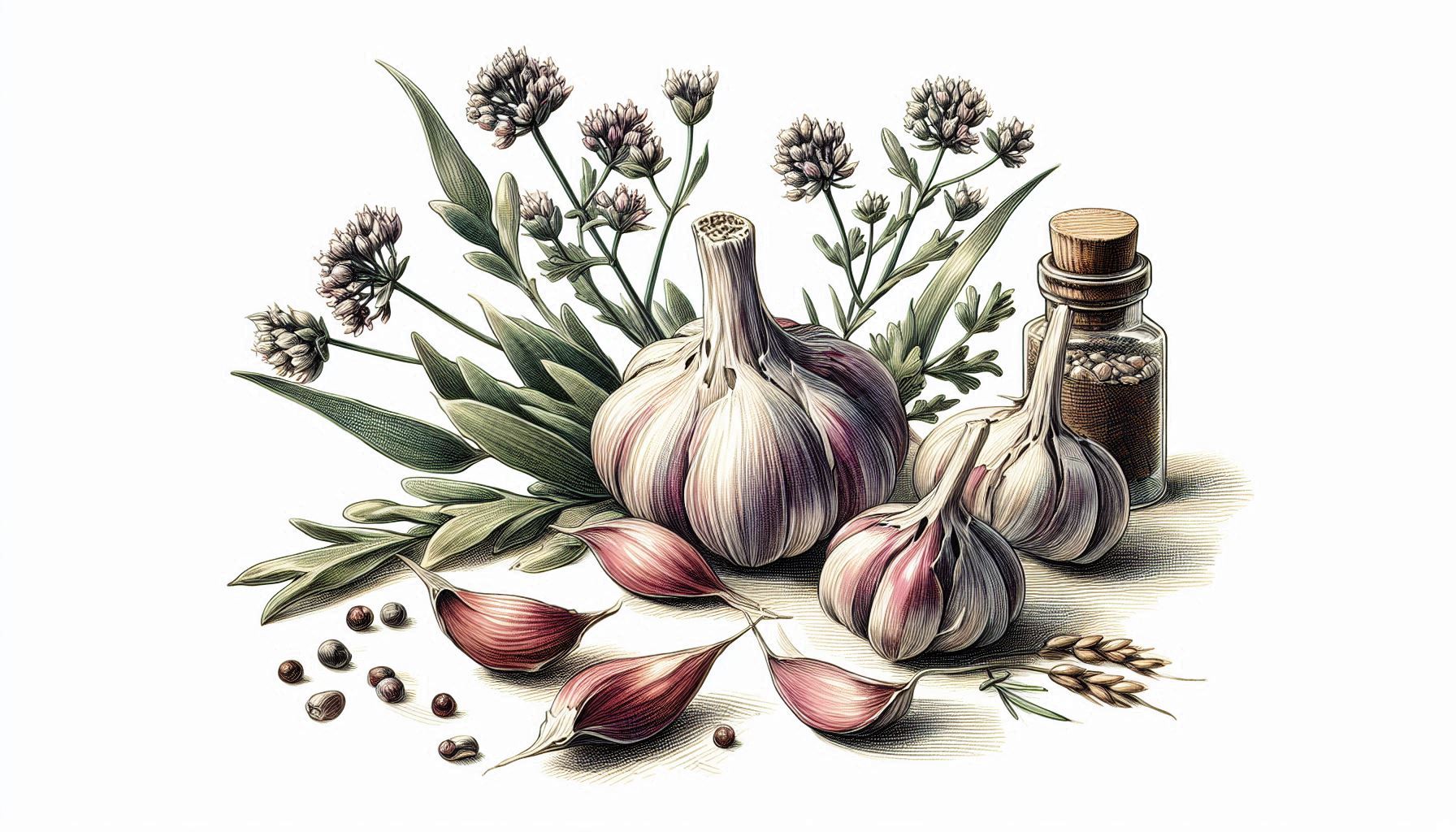
Garlic, scientifically known as Allium sativum and a member of the Liliaceae (Amaryllidaceae) family, is a potent herb celebrated for its extraordinary ability to boost immunity, support heart health, and combat infections. Known as Poor Man’s Treacle (a medieval term for a heal-all), Stinking Rose, and Russian Penicillin, this humble bulb has been revered across cultures for millennia, from ancient Egypt to modern herbalism. Its pungent cloves, rich in sulfur compounds like allicin, have been used to treat everything from colds to cardiovascular issues. In this comprehensive article, we’ll explore the multifaceted benefits of Garlic, its rich nutritional and bioactive profile, and how to safely incorporate it into your wellness routine.

A Pungent Powerhouse of Health and Folklore
Garlic is a hardy perennial that thrives in temperate climates, its white, papery bulbs yielding cloves with a sharp, unmistakable aroma. The name Allium derives from the Celtic word for “burning,” reflecting its fiery flavor, while sativum means “cultivated,” highlighting its long history of domestication. Known as Poor Man’s Treacle in medieval Europe, Garlic was a universal remedy, affordable yet powerful, while its nickname Stinking Rose juxtaposes its odor with its rose-like healing elegance. In Russia, it earned the title Russian Penicillin for its antimicrobial prowess during wartime shortages of antibiotics. Ancient Egyptians included Garlic in workers’ diets to boost strength, while folklore credited it with warding off vampires and evil spirits.
Garlic’s versatility extends far beyond medicine—it’s a culinary cornerstone, flavoring dishes from Mediterranean pastas to Asian stir-fries, and a cultural symbol of resilience and protection. In herbalism, Garlic is a cornerstone remedy for infections, heart disease, and digestive issues, valued for its antibiotic, antiviral, and circulatory properties. Research confirms its efficacy in lowering cholesterol, reducing blood pressure, and fighting pathogens. Whether consumed raw, cooked, juiced, or applied as a poultice, Garlic embodies a pungent blend of healing, vitality, and timeless wisdom, making it an indispensable ally for modern wellness.

Body Systems and Organs Supported by Garlic
Garlic’s therapeutic reach spans multiple body systems, making it a versatile alterative herb that promotes detoxification, immunity, and systemic balance. It supports:
- Circulatory: Lowers blood pressure, reduces cholesterol, and prevents clotting.
- Digestive: Enhances digestion, relieves flatulence, and supports gut flora.
- Nervous: Calms spasms and supports nervous system health.
- Reproductive: Promotes menstrual flow and supports reproductive health.
- Respiratory: Clears mucus and fights respiratory infections.
- Lymphatic: Cleanses lymph and boosts immunity.
- Urinary: Promotes kidney function and reduces fluid retention.
Garlic influences key organs, particularly the heart, lungs, and kidneys, while its actions extend to all tissues, making it an ideal remedy for infections, cardiovascular issues, and systemic inflammation.

The Bioactive and Medicinal Power of Garlic
Garlic’s therapeutic potency stems from its rich array of bioactive compounds, including:
- Sulfur Compounds: Allicin, alliin, allyl sulfide, responsible for its antimicrobial and circulatory benefits.
- Flavonoids: Quercetin, kaempferol, offering antioxidant protection.
- Other Compounds: Garlicine, glycosides, tellurium compounds, lipids, volatile oil, germanium, mucilage, glucokinins, anthocyanins, fructo-oligosaccharides, supporting immunity and digestion.
- Minerals: Selenium, enhancing antioxidant activity.
These compounds drive Garlic’s extensive medicinal actions:
- Alterative: Detoxifies blood and lymph, promoting systemic health.
- Anthelmintic and Vermicide: Expels intestinal worms, including roundworms and pinworms.
- Antibiotic, Antibacterial, Antiviral, Anti-fungal, Anti-microbial: Combats bacteria, viruses, fungi, and parasites, effective against colds, flu, bronchitis, and alimentary infections.
- Antitumour: Inhibits tumor formation, showing promise in cancer prevention.
- Anti-syphilitic: Historically used to treat syphilis, supporting venereal health.
- Anti-catarrhal and Expectorant: Clears mucus, relieving respiratory congestion and infections.
- Anti-venomous: Neutralizes venom from snake bites and insect stings.
- Anti-spasmodic: Relaxes muscle spasms, easing cramps and nervous tension.
- Carminative: Dispels flatulence and fermentation, supporting digestion.
- Cathartic: Promotes bowel movements, aiding detoxification.
- Digestive: Stimulates appetite, enhances nutrient absorption, and supports gut microbiota.
- Diuretic: Increases urine production, reducing edema and supporting kidneys.
- Antiseptic and Disinfectant: Prevents infections in wounds and internally.
- Diaphoretic: Induces sweating, aiding fever resolution and detoxification.
- Emmenagogue: Stimulates menstrual flow, relieving menstrual discomfort.
- Nervine: Calms nervous disorders, reducing stress and spasms.
- Rubefacient: Enhances blood flow to the skin, relieving arthritis and joint pain.
- Stimulant: Boosts physiological processes, promoting vitality.
- Tonic: Strengthens heart, lungs, and immune system, enhancing longevity.
- Vulnerary: Promotes wound healing, reducing inflammation and infection.
These actions make Garlic a powerful remedy for infections, cardiovascular health, digestive issues, and nervous disorders, with a warming, stimulating profile that invigorates the body.

Nutritional Profile
Garlic is a nutrient-dense herb, providing:
- Vitamins:
- Vitamin A: Supports vision and skin health.
- Vitamin B1 (Thiamine): Enhances energy metabolism.
- Vitamin B2 (Riboflavin): Supports cellular function.
- Vitamin C: Boosts immunity and acts as an antioxidant.
- Minerals:
- Selenium: Enhances antioxidant activity and immune function.
- Sulfur Compounds: Allicin, alliin, provide antimicrobial and cardiovascular benefits.
- Fructo-oligosaccharides: Support healthy gut microbiota.
- Amino Acids: Support tissue repair and overall vitality.
Its nutrient-rich profile enhances Garlic’s role as an immune booster, circulatory tonic, and digestive aid, making it a valuable addition to both medicinal and culinary applications.

Traditional and Modern Applications
Garlic has been a staple in Egyptian, Chinese, Ayurvedic, and Western herbalism, with applications divided into internal and external uses:
Internal Applications
- Immune and Infection Defense: Garlic’s antibiotic, antiviral, and anti-fungal properties make it a premier remedy for colds, flu, bronchitis, chest infections, influenza B, and herpes simplex (types 1 and 2). Consuming 2 g raw garlic daily or taking a tincture (10–15 drops, twice daily) boosts immunity and fights pathogens. Its oil, excreted through the lungs, targets respiratory infections.
- Cardiovascular Health: Lowers blood pressure, reduces LDL cholesterol, and prevents blood clotting, reducing the risk of heart disease and stroke. It normalizes circulation and supports heart function.
- Digestive Support: Its carminative, digestive, and cathartic actions relieve flatulence, normalize gut flora, and treat amoebic dysentery (via enemas). Garlic stimulates appetite and enhances nutrient absorption.
- Parasite and Worm Treatment: Deadly to roundworms, pinworms, and threadworms, taken on an empty stomach (e.g., juice, 10–30 drops) to expel parasites.
- Nervous System Support: Its nervine and anti-spasmodic properties calm nervous spasms, cramps, and seizures (e.g., crush 1 clove in warm soy milk).
- Respiratory Health: Its anti-catarrhal and expectorant actions clear mucus, relieving coughs, colds, and chest congestion.
- Women’s Health: Its emmenagogue action promotes menstrual flow, easing discomfort.
- Cancer Prevention: Its antitumour properties inhibit tumor growth, supported by preliminary research.
- Arthritis and Inflammation: Reduces joint inflammation and swelling, aiding arthritis management.
- Detoxification: Supports liver and gallbladder detox (used in liver cleanse drinks), eliminates heavy metals, and enhances longevity via antioxidants.
- Other Uses: Improves athletic performance (reduces peak heart rate), reduces fatigue, and addresses estrogen deficiency.
External Applications
- Wound and Skin Healing: Garlic’s antiseptic, disinfectant, and vulnerary properties treat sores, ulcers, wounds, ringworm, athlete’s foot, and warts. Diluted garlic paste or oil (1 part garlic to 2 parts camphorated oil) disinfects and promotes healing, though undiluted application may cause contact dermatitis.
- Ear and Gland Relief: Massage diluted garlic oil into the ear for earaches or around swollen glands near the ears.
- Parasitic and Fungal Infections: Use as a rectal ovule for pinworms or a vaginal ovule for vaginitis and leucorrhea, leveraging antimicrobial properties.
- Systemic Support: Apply diluted garlic paste to the feet to aid systemic infections, as it enters circulation and is exhaled through the lungs, targeting respiratory pathogens.
- Scabies: Rub skin with garlic-camphorated oil mixture for relief.

Dosage and Preparation
Garlic can be prepared as a tincture, juice, oil, paste, ovule, enema, or culinary ingredient, with dosages tailored to the condition:
- Tincture: 10–15 drops, twice daily, diluted in water or juice, for immune or cardiovascular support.
- Juice: 10–30 drops, taken 1–2 times daily, for infections or parasite treatment.
- Culinary: 2 g raw garlic daily (about 1–2 cloves) for general health, immunity, and cholesterol management. Use whole, grated, raw, cooked, or juiced in foods, soups, or detox drinks.
- Oil: Dilute with a carrier oil (e.g., olive oil) for external use on wounds, ears, or skin infections. Test for sensitivity to avoid burning.
- Paste: Crush cloves with a carrier oil for topical application to feet, wounds, or fungal infections.
- Ovule: Prepare diluted garlic paste for rectal (pinworms) or vaginal (vaginitis) use under professional guidance.
- Enema: Use a diluted garlic infusion for amoebic dysentery, administered professionally.
- Gargle: Infuse crushed garlic in warm water for sore throat relief.
Important: Raw garlic is most potent for antimicrobial effects, as cooking reduces allicin content. Use culinary doses (2 g daily) with warfarin or antihypertensive medications to avoid interactions. Dilute for external use to prevent skin irritation.

Cautions and Contraindications
Garlic is generally safe in culinary amounts but requires caution in medicinal doses:
- Pulmonary Congestion: Avoid in cases of heavy lung congestion, as it may exacerbate symptoms.
- Pregnancy and Nursing: Use only small, culinary amounts, as high doses may spoil breast milk or stimulate uterine contractions.
- Digestive Sensitivity: Not suitable for those with irritated intestines, stomach ulcers, or minor skin diseases, as it may worsen irritation.
- Skin Application: Undiluted garlic can cause contact dermatitis or burns; always dilute with a carrier oil and remove if burning occurs.
- Blood Thinning: Avoid medicinal doses if taking blood thinners (e.g., warfarin) or with anti-coagulation disorders, as it reduces clotting risk. Use only culinary amounts.
- Drug Interactions: May interact with antihypertensives, anticoagulants, or HIV medications; consult a healthcare provider.
- Allergies: Rare allergic reactions may occur, particularly in those sensitive to Liliaceae plants (e.g., onions, leeks). Test topically before extensive use.
- Children: Safe in small, culinary amounts, but avoid medicinal doses without supervision.
- Side Effects: Excessive use may cause stomach upset, body odor, or breath odor; reduce dose if these occur.

Synergistic Combinations and Substitutions
Garlic works best in formulas, pairing well with other herbs to enhance its effects:
- With Rosehips: Boosts immune support for colds and flu, combining vitamin C and antimicrobial properties.
- With Mullein: Applied as a combination oil for earaches, soothing inflammation and fighting infection.
- With Ginger or Turmeric: Enhances anti-inflammatory and digestive effects for arthritis or gut health.
- With Echinacea: Amplifies immune and antiviral support for respiratory infections.
- With Licorice: Soothes irritated mucous membranes, balancing Garlic’s intensity.
Substitutions require further research, as Garlic’s unique sulfur compounds and broad actions are unmatched. Onion (Allium cepa) offers milder antimicrobial and circulatory benefits, while Echinacea supports immunity but lacks Garlic’s digestive or antitumour properties.

Cultural and Historical Significance
Garlic’s history spans over 7,000 years, rooted in ancient Sumerian, Egyptian, and Chinese traditions. In Egypt, it was fed to pyramid builders for strength and placed in tombs as an offering. In ancient Greece, athletes consumed Garlic for stamina, while Hippocrates prescribed it for infections and lung issues. In medieval Europe, it was hung in homes to repel plague and evil spirits, earning its Poor Man’s Treacle moniker. During World Wars I and II, Garlic was used as an antiseptic for wounds when antibiotics were scarce, dubbed Russian Penicillin. In Ayurveda, it’s a warming, rejuvenative herb for digestion and immunity, while TCM uses it to dispel cold and parasites. Today, Garlic is a staple in cuisines and herbal remedies worldwide, with research validating its cardiovascular, antimicrobial, and anticancer benefits.

Garlic (Allium sativum) is a stinking rose of healing and vitality, blending pungent power with profound therapeutic benefits. From fighting infections and supporting heart health to soothing digestion and reducing inflammation, this Poor Man’s Treacle offers a holistic path to wellness. Its bioactive compounds, including allicin, quercetin, and selenium, deliver antibiotic, antitumour, and circulatory benefits, making it a versatile remedy for infections, cardiovascular issues, and nervous disorders.
Whether savored in a savory dish, taken as a tincture, or applied as a healing paste, Garlic invites us to harness its fiery energy with mindfulness. Its safety in culinary amounts makes it accessible, though caution is needed with medicinal doses in pregnancy, with blood thinners, or in sensitive digestive conditions. By incorporating Garlic into your routine under the guidance of a healthcare professional, you can unlock its potential to detoxify, protect, and invigorate. Let this Russian Penicillin inspire you to explore the timeless wisdom of herbal medicine, connecting you to a legacy of health and resilience.


Leave a Reply