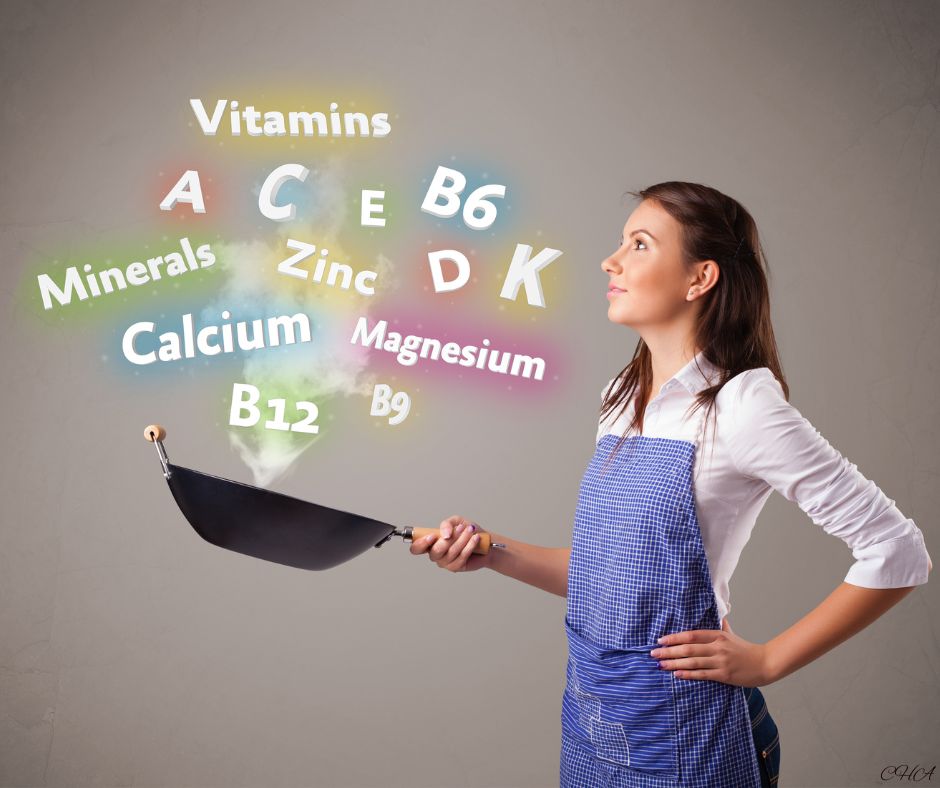
Vitamins & Minerals for Common Symptoms
Your body often communicates deficiencies through symptoms. Below is an evidence-based breakdown of the most common nutrient-related signs, how each nutrient works in the body, proven benefits, best food sources, and important cautions.
| Symptom | Key Nutrient(s) | How It Works in the Body | Proven Benefits | Best Food Sources | Contraindications / Warnings |
|---|---|---|---|---|---|
| Chronic fatigue, low energy | Vitamin B12 + Iron + CoQ10 (supporting) | B12 is essential for red blood cell formation and neurological function. Iron carries oxygen in hemoglobin. | Correcting deficiency can dramatically improve energy within weeks | B12: Liver, salmon, eggs, fortified nut milks Iron: Red meat, lentils, spinach + vitamin C | B12 is safe; excess iron can be toxic — only supplement if blood tests show deficiency |
| Hair loss or thinning | Biotin (B7) + Iron + Zinc + Vitamin D | Biotin is a cofactor in keratin production. Zinc & iron prevent telogen effluvium. Vitamin D receptors are on hair follicles. | Clinical trials show 38–60 % reduction in hair shedding with proper correction | Biotin: Eggs, almonds, sweet potato Zinc: Oysters, beef, pumpkin seeds | High-dose biotin (>5 mg/day) can interfere with thyroid and cardiac blood tests |
| Frequent colds & infections | Vitamin C + Vitamin D + Zinc | Vitamin C regenerates antioxidants and supports white blood cell function. Vitamin D regulates 200+ immune genes. Zinc is required for T-cell development. | Reduces cold duration by 8–14 % (C), reduces respiratory infections by up to 50 % in deficient people (D) | C: Kiwi, bell peppers, broccoli D: Sunlight, salmon, fortified foods Zinc: Oysters, crab | High-dose zinc (>40 mg/day long-term) lowers copper absorption |
| Dry, flaky skin | Vitamin E + Omega-3 + Vitamin A | Vitamin E is the main lipid-soluble antioxidant in skin. Omega-3 reduces inflammation. Vitamin A maintains epithelial integrity. | Improves skin hydration and reduces photo-damage | E: Almonds, sunflower seeds, avocado Omega-3: Salmon, chia, walnuts | Excess preformed vitamin A (retinol) >3000 µg/day is toxic |
| Muscle cramps & spasms | Magnesium + Vitamin D + Potassium | Magnesium is required for muscle relaxation. Vitamin D improves magnesium absorption. Potassium maintains electrical gradients. | 300–400 mg magnesium citrate/glycinate resolves cramps in 70 % of cases | Magnesium: Spinach, pumpkin seeds, black beans Potassium: Banana, potato with skin | Kidney disease patients must monitor potassium & magnesium closely |
| Poor night vision | Vitamin A (retinol & beta-carotene) | Retinol is a component of rhodopsin, the pigment used in low-light vision. | Deficiency causes night blindness; supplementation reverses it in weeks | Liver, eggs, carrots, sweet potato, kale | Avoid high-dose retinol supplements during pregnancy |
| Slow wound healing | Vitamin C + Zinc + Protein | Vitamin C is essential for collagen synthesis. Zinc is needed for cell division and protein synthesis. | 500 mg vitamin C + 15–30 mg zinc speeds healing by 20–40 % | See above | |
| Mood swings, anxiety, irritability | Vitamin B6 + Magnesium + Omega-3 | B6 is cofactor for serotonin & GABA synthesis. Magnesium calms NMDA receptors. Omega-3 (EPA/DHA) reduces brain inflammation. | 50 mg B6 + 300 mg magnesium reduces PMS & anxiety symptoms significantly | B6: Chickpeas, salmon, potato Magnesium & Omega-3: see above | Excess B6 (>100 mg/day long-term) can cause nerve damage |
| Joint pain & stiffness | Vitamin D + Vitamin K2 + Omega-3 | Vitamin D reduces inflammatory cytokines. K2 directs calcium into bones, not arteries/soft tissue. | Correcting D deficiency reduces joint pain in osteoarthritis & RA | D & K2: Fatty fish, natto, egg yolks | Vitamin K2 is safe; high-dose D (>10,000 IU/day) without K2 can cause calcification |
| Pale skin, dizziness, shortness of breath | Iron + Vitamin B12 + Folate | All three are required for healthy red blood cell production. | Restores normal hemoglobin and oxygen delivery within 4–8 weeks | See above | Only supplement iron under medical supervision — hemochromatosis risk |
| Brittle, ridged, or splitting nails | Biotin + Iron + Zinc + Silica | Biotin strengthens keratin structure. Iron & zinc prevent deformities. | 2.5–5 mg biotin daily improves nail thickness by 25 % in 6 months | Eggs, seeds, horsetail herb, beer (silica) | Same as hair loss cautions |
| Brain fog, poor memory, difficulty concentrating | B-Complex (especially B1, B6, B12) + Omega-3 DHA + Magnesium | B vitamins are cofactors in neurotransmitter synthesis and energy production in neurons. DHA is 40 % of brain fat. | Improves cognitive scores in deficient populations | Salmon, whole grains, leafy greens, nuts | Generally very safe in food or moderate-dose supplements |
| Constipation | Magnesium (oxide or citrate) + Fiber + Vitamin C (high dose) | Magnesium draws water into the bowel. Fiber adds bulk. High-dose C has osmotic effect. | 300–400 mg magnesium + 25–35 g fiber normalizes bowel movements in most people | See above | Kidney disease, bowel obstruction — consult doctor |
| Numbness, tingling in hands/feet | Vitamin B12 + Vitamin B1 + Vitamin B6 | These maintain myelin sheath and nerve conduction. Deficiency causes peripheral neuropathy. | B12 injections or high-dose oral can reverse symptoms in months | Animal foods, fortified foods | Excess B6 (>200 mg/day) can paradoxically cause neuropathy |
Advertisements
Important Reminders
- Symptoms can have many causes — nutrient deficiency is only one possibility. Always rule out medical conditions first.
- Blood tests (especially ferritin, B12, vitamin D 25-OH, zinc, magnesium RBC) are the only way to confirm deficiency.
- Food-first is always safest. Supplements are useful when diet is inadequate or absorption is impaired.
- Fat-soluble vitamins (A, D, E, K) can accumulate and become toxic — never mega-dose without supervision.
- Work with a qualified practitioner if you are pregnant, on medication, or have chronic illness.
Listen to your body, test when possible, and nourish it wisely! 🌿
Advertisements


Leave a Reply