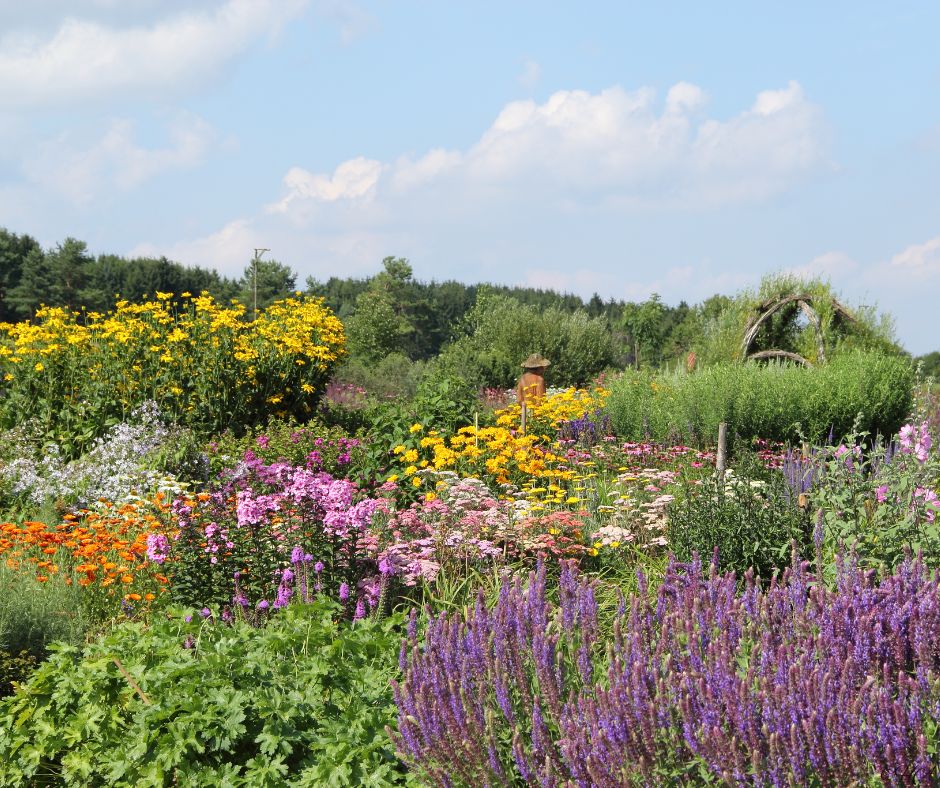
Imagine standing in a vibrant garden, surrounded by the delicate fragrance of lavender, the sharp tang of peppermint, and the earthy aroma of ginseng roots. Each plant holds a promise—a natural remedy that has soothed ailments and restored balance for centuries. But how do we ensure these gifts from nature are safe, effective, and accessible in our modern world? This is where the World Health Organization (WHO) steps in, offering a framework through its guidelines on herbal drug technology. These guidelines are a bridge between ancient wisdom and cutting-edge science, ensuring that herbal medicines meet rigorous standards while honoring their cultural and therapeutic significance. Let’s dive into the world of WHO’s guidelines, exploring how they shape herbal drug technology and why they matter to you, whether you’re sipping chamomile tea or seeking natural solutions for wellness.
What Are WHO Guidelines on Herbal Drug Technology?
The WHO, a global authority on public health, recognizes the vital role herbal medicines play in healthcare systems worldwide. Used by an estimated 80% of the global population, particularly in developing countries, herbal medicines are often the first line of defense against illness. However, their safety, quality, and efficacy can vary widely due to differences in cultivation, processing, and regulation. To address this, the WHO has developed comprehensive guidelines on herbal drug technology, which provide a roadmap for producing, evaluating, and regulating herbal medicines.
These guidelines cover every stage of herbal medicine production—from growing plants to formulating products to ensuring they reach consumers safely. They’re not just technical manuals; they’re a global commitment to making herbal medicines reliable, accessible, and respected. For you, the reader, this means confidence that the herbal tea, tincture, or supplement you choose is backed by standards designed to protect your health.
The Roots of Herbal Medicine and the Need for Guidelines
Herbal medicines have deep cultural roots. In Ayurveda, practitioners use turmeric for its anti-inflammatory properties; in Traditional Chinese Medicine, ginseng boosts vitality; and in African healing traditions, plants like rooibos support overall wellness. These practices, honed over millennia, reflect an intimate connection between humans and nature. Yet, as herbal medicines gain popularity in modern healthcare, challenges arise. Variability in plant potency, contamination risks, and inconsistent manufacturing practices can undermine their safety and effectiveness.
The WHO guidelines address these challenges by providing a standardized approach. Published as part of documents like the WHO Guidelines on Good Agricultural and Collection Practices (GACP) and WHO Guidelines on Good Manufacturing Practices (GMP) for Herbal Medicines, they ensure that herbal products are consistent, safe, and effective, whether produced in a small herbalist’s workshop or a large pharmaceutical facility.
Key Pillars of WHO Guidelines on Herbal Drug Technology
The WHO guidelines are like a recipe for crafting high-quality herbal medicines, balancing science with respect for tradition. Here’s a closer look at their core components:
1. Good Agricultural and Collection Practices (GACP)
The journey of an herbal medicine begins in the field or forest. The WHO’s GACP guidelines ensure that medicinal plants are grown and harvested sustainably and safely. This includes:
- Plant Identification: Correctly identifying plant species to avoid mix-ups (e.g., ensuring ginseng is true Panax ginseng, not a look-alike).
- Sustainable Cultivation: Using organic farming practices to minimize pesticides and protect ecosystems.
- Harvesting Standards: Timing harvests to maximize active compounds (e.g., picking chamomile flowers at peak bloom for optimal apigenin content).
- Wild Collection: Ensuring wild plants are harvested ethically to prevent overexploitation.
For you, this means that the echinacea in your immune-boosting tea was grown with care, free from harmful chemicals, and harvested at the right moment to deliver its full potential.
2. Good Manufacturing Practices (GMP)
Once plants are harvested, they’re transformed into medicines—teas, capsules, tinctures, or ointments. The WHO’s GMP guidelines ensure these products are made with precision and safety:
- Quality Control: Testing raw materials for contaminants like heavy metals, pesticides, or microbes.
- Standardization: Ensuring consistent levels of active compounds, such as curcumin in turmeric supplements.
- Sanitation: Maintaining clean facilities to prevent contamination.
- Documentation: Keeping detailed records to trace every batch back to its source.
Imagine buying a bottle of St. John’s wort capsules for mood support. GMP guidelines give you confidence that each capsule contains the right dose, free from impurities, and was made in a facility you can trust.
3. Quality Assurance and Testing
Herbal medicines are complex, with multiple active compounds working together. The WHO guidelines emphasize rigorous testing to verify quality:
- Analytical Methods: Techniques like high-performance liquid chromatography (HPLC) measure active ingredients, ensuring a ginseng extract has the expected ginsenoside content.
- Stability Testing: Checking that products remain effective over their shelf life.
- Safety Assessments: Screening for toxins or adulterants that could harm consumers.
This is especially critical for herbs that interact with medications, like St. John’s wort, which can affect antidepressants. The guidelines ensure clear labeling so you know what you’re taking and how to use it safely.
4. Regulatory Frameworks
The WHO encourages countries to establish national regulations for herbal medicines, tailored to local needs but aligned with global standards. This includes:
- Licensing: Ensuring manufacturers meet quality benchmarks.
- Labeling Requirements: Providing clear information on ingredients, dosage, and potential side effects.
- Pharmacovigilance: Monitoring adverse effects to protect public health.
For you, this means that whether you’re in India buying an Ayurvedic remedy or in Europe choosing a herbal supplement, you’re protected by standards that prioritize your safety.
5. Research and Development
The WHO promotes research to validate traditional uses of herbs and explore new applications. This includes clinical trials to confirm efficacy (e.g., studies showing ginger reduces nausea) and pharmacological studies to understand how compounds like flavonoids or alkaloids work in the body. By fostering evidence-based herbal medicine, the guidelines bridge ancient knowledge with modern science.
Why These Guidelines Matter to You
You might be wondering: How do these technical guidelines affect me? Whether you’re brewing a cup of peppermint tea for digestion, using arnica gel for a bruise, or taking ashwagandha to manage stress, the WHO guidelines ensure that these products are more than just folklore—they’re safe, reliable, and effective. They protect you from substandard or contaminated products, empowering you to make informed choices about your health.
These guidelines also honor cultural heritage. For many, herbal medicine is a link to ancestors, traditions, and the land. By setting standards, the WHO ensures that these practices aren’t dismissed as “alternative” but are respected as vital components of global healthcare. If you’ve ever felt a sense of calm from a lavender sachet or vitality from a ginseng tonic, you’re part of this timeless tradition, supported by modern safeguards.
Challenges and Opportunities
Implementing WHO guidelines isn’t without challenges. In some regions, resources for testing or regulation are limited, leading to inconsistent quality. Small-scale herbalists may struggle to meet complex GMP standards, potentially sidelining traditional knowledge. And while the guidelines promote sustainability, overharvesting of wild plants like ginseng remains a concern.
Yet, these challenges spark innovation. Technology, like blockchain for supply chain transparency, is helping trace herbs from field to shelf. Advances in analytical chemistry make standardization more accessible. And global collaboration—between scientists, herbalists, and policymakers—is ensuring that herbal medicines remain a cornerstone of healthcare.
A Personal Connection to Nature’s Remedies
The WHO guidelines aren’t just about rules—they’re about connection. They remind us that every herbal remedy is a story, from the farmer tending chamomile fields to the herbalist crafting a tincture. They invite you to trust in nature’s pharmacy while feeling secure in modern science. Next time you reach for a herbal product, take a moment to appreciate the journey it’s taken—grown with care, tested with precision, and guided by global standards.
What’s your favorite herbal remedy? Maybe it’s a soothing cup of chamomile tea, a turmeric capsule for joint health, or a lavender salve for relaxation. These remedies are more than products—they’re a bridge to nature, tradition, and your own well-being. The WHO guidelines ensure that bridge is strong, so you can walk it with confidence.
The Future of Herbal Drug Technology
As interest in natural medicine grows, the WHO guidelines are evolving. They’re adapting to new technologies, like nanotechnology for better herbal delivery, and addressing global challenges, like climate change’s impact on medicinal plant availability. They also encourage integration with conventional medicine, so you might one day see your doctor prescribe a standardized echinacea extract alongside antibiotics.
The future is bright for herbal medicines, and the WHO guidelines are lighting the way. They’re not just preserving tradition—they’re shaping a world where nature and science work hand in hand to heal. So, whether you’re a seasoned herbal enthusiast or just curious about natural remedies, you’re part of this exciting journey.


Leave a Reply