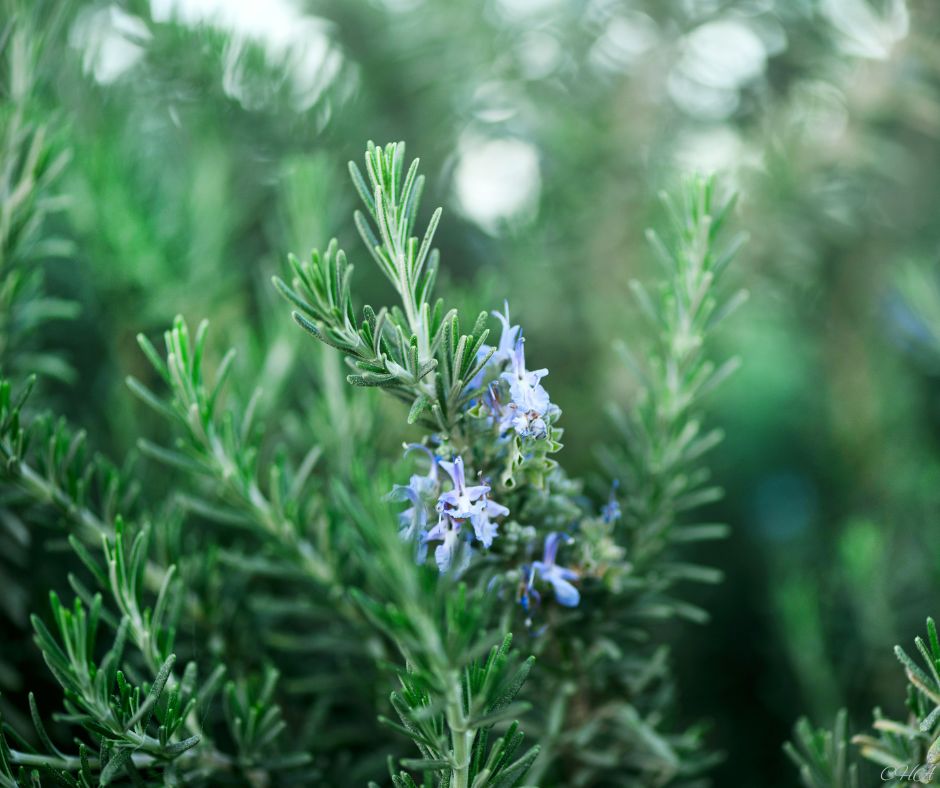
Rosemary (Rosmarinus officinalis), with its fragrant, needle-like leaves and woody aroma, is more than just a culinary herb—it’s a powerhouse of healing properties revered for centuries in traditional medicine. From boosting memory to soothing inflammation, rosemary’s versatility makes it a must-have in any herbal garden. If you’re eager to grow rosemary for its wide-ranging health benefits but don’t know where to start, this article is your roadmap. We’ll explore rosemary’s therapeutic properties, how to grow and harvest it, and whether different species or varieties offer unique healing compounds. Written in an approachable, actionable way, this guide will help you cultivate this remarkable herb and harness its potential.

Rosemary’s Healing Properties: Why It’s Worth Growing
Rosemary has been used since ancient times—by Greeks for memory enhancement, in medieval Europe for protection, and in modern herbalism for a range of ailments. Its leaves, stems, and essential oils contain bioactive compounds like rosmarinic acid, carnosic acid, and cineole, which drive its therapeutic effects. Here’s a detailed look at rosemary’s health benefits, backed by science and tradition:
1. Cognitive Support and Memory Enhancement
Rosemary is famously known as the “herb of remembrance.” Ancient Greeks wore rosemary garlands while studying, and modern research supports this link. Studies show that inhaling rosemary essential oil or consuming rosemary extracts can improve cognitive function, memory, and focus, particularly in older adults or those with mild cognitive impairment.
- Why It Works: Compounds like 1,8-cineole and carnosic acid enhance acetylcholine activity (a neurotransmitter tied to memory) and protect brain cells from oxidative stress.
- Practical Use: Brew rosemary tea (1 teaspoon dried leaves in hot water for 5–10 minutes) or diffuse rosemary essential oil during work or study sessions.
2. Anti-Inflammatory and Antioxidant Effects
Rosemary’s rosmarinic acid and carnosic acid are potent antioxidants and anti-inflammatory agents, protecting cells from damage and reducing inflammation linked to conditions like arthritis, heart disease, and Alzheimer’s.
- Why It Works: These compounds neutralize free radicals and inhibit inflammatory pathways like COX-2, similar to nonsteroidal anti-inflammatory drugs (NSAIDs).
- Practical Use: Add fresh or dried rosemary to meals (e.g., roasted vegetables, soups) or take rosemary supplements (300–500 mg daily) after consulting a doctor.
3. Digestive Health
Rosemary stimulates bile production and improves digestion, easing symptoms like bloating, indigestion, and irritable bowel syndrome (IBS). It’s traditionally used in Mediterranean cultures to aid digestion after heavy meals.
- Why It Works: Its carminative properties relax digestive tract muscles, while its antimicrobial effects combat gut pathogens.
- Practical Use: Sip rosemary tea after meals or massage diluted rosemary essential oil (1–2 drops in a carrier oil) onto the abdomen for bloating relief.
4. Antimicrobial and Immune Support
Rosemary’s essential oils, particularly cineole and camphor, have antibacterial, antiviral, and antifungal properties. Studies show rosemary can combat pathogens like Staphylococcus aureus and Candida albicans, supporting immunity and wound healing.
- Why It Works: Its volatile oils disrupt microbial cell membranes, while antioxidants bolster immune defenses.
- Practical Use: Use rosemary-infused oil topically for minor cuts or diffuse essential oil during cold season (with proper dilution).
5. Hair and Scalp Health
Rosemary is a go-to remedy for hair growth and scalp health. Clinical studies suggest rosemary oil is as effective as minoxidil (Rogaine) for androgenetic alopecia, improving hair thickness and reducing scalp irritation.
- Why It Works: Carnosic acid promotes scalp circulation, stimulating hair follicles, while antimicrobial properties soothe dandruff or itchiness.
- Practical Use: Massage diluted rosemary essential oil (5 drops per tablespoon of carrier oil like jojoba) into the scalp 2–3 times weekly.
6. Stress and Mood Support
Rosemary’s aroma has calming effects, reducing stress and anxiety. A 2017 study found that inhaling rosemary oil lowered cortisol levels, improving mood and reducing stress-related inflammation.
- Why It Works: Compounds like 1,8-cineole influence the nervous system, promoting relaxation via the olfactory system.
- Practical Use: Diffuse rosemary oil or add a sprig to a warm bath for a calming ritual.

Do Different Species and Varieties Have Different Healing Compounds?
Rosemary belongs to the Lamiaceae family, and while Rosmarinus officinalis is the primary species used medicinally, it has numerous cultivars (varieties) with slight variations in chemical composition, flavor, and aroma. These differences can influence their therapeutic potency, though research is limited on specific cultivar effects. Here’s what we know:
- Species: Rosmarinus officinalis is the main medicinal species. Other species, like Rosmarinus eriocalyx or Rosmarinus tomentosus, are less studied and not commonly used for healing.
- Cultivars: Common varieties include ‘Tuscan Blue’ (high in essential oils, ideal for aromatherapy), ‘Arp’ (hardy, high in rosmarinic acid), and ‘Prostratus’ (creeping, milder flavor). Differences in soil, climate, and growing conditions affect compound levels, like carnosic acid (higher in sunny, dry climates) or cineole (higher in some upright varieties).
- Healing Compound Variations: Studies show variations in essential oil content (0.5–2.5% by weight) across cultivars, with ‘Tuscan Blue’ and ‘Majorca Pink’ often richer in cineole for antimicrobial effects, while ‘Arp’ or ‘Severn Sea’ may have higher antioxidant levels. However, all cultivars share core compounds (rosmarinic acid, carnosic acid, cineole), so differences are subtle.
- Practical Takeaway: For general healing, any Rosmarinus officinalis cultivar works well. Choose ‘Tuscan Blue’ or ‘Blue Spires’ for essential oil production, or ‘Arp’ for hardiness and antioxidant benefits. Always prioritize organic plants for medicinal use to avoid pesticide residues.

How to Grow Rosemary
Rosemary is a hardy, evergreen perennial that thrives in warm, sunny climates, making it ideal for beginners and seasoned gardeners alike. Here’s a step-by-step guide to growing rosemary successfully:
1. Choose the Right Location
- Sunlight: Rosemary loves full sun (6–8 hours daily). A south-facing spot is ideal.
- Soil: Prefers well-draining, sandy, or loamy soil with a pH of 6.0–7.5. Avoid heavy clay or waterlogged soil.
- Climate: Thrives in USDA zones 7–10 but can be grown as an annual or potted plant in colder zones (below 20°F/-6°C).
Tip: Test soil drainage by digging a hole, filling it with water, and ensuring it drains within a few hours. Amend with sand or gravel if needed.
2. Planting Rosemary
- From Cuttings or Seedlings: Cuttings (6-inch stems from a healthy plant, rooted in water or soil) are faster and more reliable than seeds, which have low germination rates. Buy nursery seedlings for convenience.
- Timing: Plant in spring after the last frost for outdoor growth, or year-round indoors in pots.
- Spacing: Space plants 18–24 inches apart to allow air circulation and prevent fungal issues.
- Potting: Use a 12-inch pot with drainage holes for indoor or patio growing. Mix potting soil with perlite or sand for drainage.
Tip: Dip cuttings in rooting hormone before planting to boost success. Water lightly until established (1–2 weeks).
3. Care and Maintenance
- Watering: Water sparingly—rosemary prefers slightly dry conditions. Water when the top inch of soil feels dry (every 1–2 weeks, depending on climate). Overwatering causes root rot.
- Fertilizing: Use a balanced, organic fertilizer (e.g., 10-10-10) once in spring. Avoid over-fertilizing, which reduces essential oil content.
- Pruning: Trim lightly after flowering to encourage bushy growth and prevent woodiness. Never cut more than one-third of the plant.
- Pest/Disease Control: Rosemary is pest-resistant but watch for spider mites or powdery mildew. Use neem oil or ensure good air circulation to prevent issues.
Tip: Bring potted rosemary indoors during winter in cold climates, placing it near a sunny window.
4. Growing Indoors
- Light: Place near a south-facing window or use a grow light (12–16 hours daily).
- Humidity: Rosemary tolerates low humidity but benefits from occasional misting in dry indoor conditions.
- Temperature: Keep between 60–75°F (15–24°C). Avoid drafts or sudden temperature changes.
Tip: Rotate potted rosemary weekly to ensure even light exposure.

How to Harvest Rosemary
Harvesting rosemary correctly ensures a steady supply while keeping the plant healthy. Here’s how to do it:
1. When to Harvest
- Timing: Harvest year-round, but spring and summer yield the most flavorful leaves due to higher essential oil content. Cut in the morning after dew dries for peak potency.
- Maturity: Wait until plants are 8–12 inches tall (about 3–6 months after planting) before heavy harvesting.
2. How to Harvest
- Method: Use sharp scissors to snip 4–6-inch sprigs from the top or outer edges. Avoid cutting into woody stems, which slows regrowth.
- Quantity: Take no more than 20–30% of the plant at once to avoid stress.
- Leaves vs. Stems: Strip leaves from stems for culinary or medicinal use, or use whole sprigs for infusions or oils.
Tip: Regular harvesting encourages bushier growth, so don’t be shy about snipping frequently.
3. Preserving Rosemary
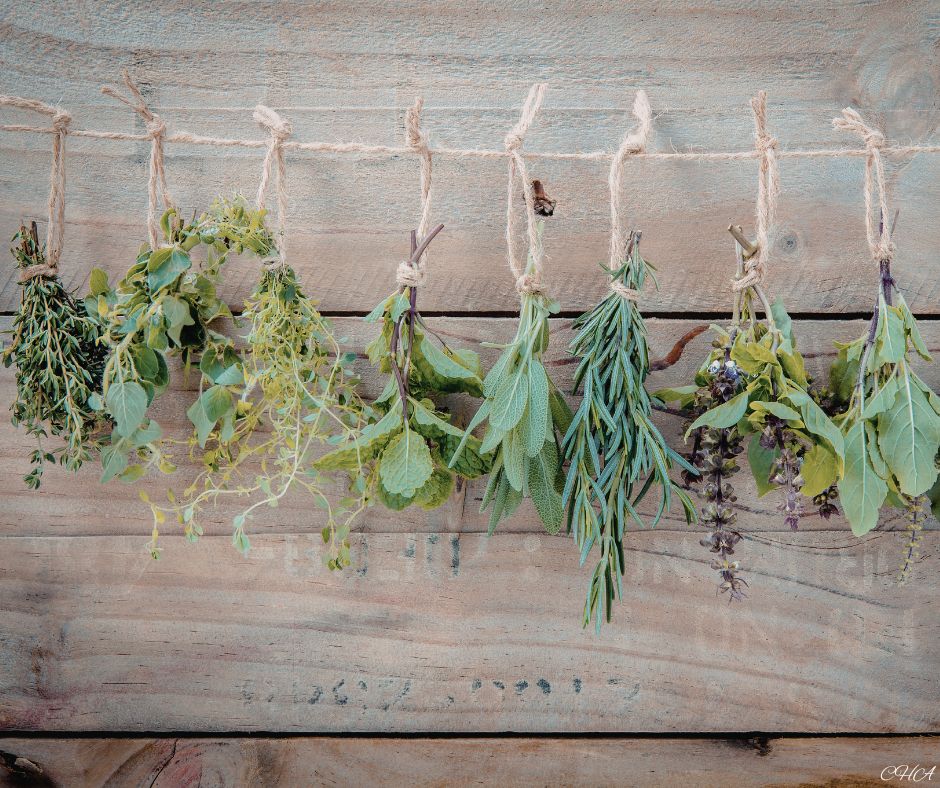
- Drying: Hang sprigs in a dark, well-ventilated area for 1–2 weeks, or use a dehydrator at low heat (95°F/35°C). Store dried leaves in airtight jars away from light for up to 1 year.
- Freezing: Freeze whole sprigs or chopped leaves in ice cube trays with water or olive oil for cooking.
- Infusions: Make rosemary oil by steeping fresh leaves in olive oil (1:4 ratio) for 4–6 weeks in a dark place. Use for cooking or topical applications (strain before use).
Tip: Dried rosemary retains most healing compounds but loses some aroma. Use fresh for essential oil production or teas.

Using Rosemary for Healing
Here are practical ways to incorporate rosemary into your wellness routine:
- Tea: Steep 1 teaspoon dried or 2 teaspoons fresh leaves in hot water for 5–10 minutes. Drink 1–2 cups daily for digestion or cognitive support.
- Essential Oil: Dilute 1–5 drops in a tablespoon of carrier oil (e.g., coconut, jojoba) for scalp massages, pain relief, or aromatherapy. Diffuse 3–5 drops in a diffuser for stress relief.
- Cooking: Add 1–2 teaspoons chopped fresh rosemary to soups, roasts, or breads for anti-inflammatory benefits.
- Tinctures/Supplements: Use rosemary extracts (follow package dosing, typically 300–500 mg daily) for concentrated effects, but consult a doctor.
Precautions:
- Allergies: Rare, but test topically or in small doses to ensure no reactions.
- Pregnancy/Breastfeeding: Avoid high doses (e.g., supplements or essential oils) due to potential uterine stimulation.
- Medications: Rosemary may interact with blood thinners, diuretics, or seizure medications. Consult a healthcare provider.
- Essential Oil Safety: Never ingest undiluted essential oil; always dilute for topical use and avoid eyes or mucous membranes.

Putting It All Together
Growing rosemary for its healing benefits is a rewarding journey that blends gardening with wellness. Its cognitive, anti-inflammatory, antimicrobial, and hair-growth properties make it a versatile herb, whether you’re brewing tea, diffusing oil, or seasoning a meal. While cultivars like ‘Tuscan Blue’ or ‘Arp’ may vary slightly in compound levels, all Rosmarinus officinalis varieties offer robust healing potential. By planting in sunny, well-drained soil, watering sparingly, and harvesting thoughtfully, you can cultivate a thriving rosemary plant—indoors or out.
Start small: plant a cutting in a sunny spot, sip rosemary tea after dinner, or massage diluted oil into your scalp. With consistent care, your rosemary will flourish, providing a steady supply of leaves and a natural boost to your health. If you have medical conditions or take medications, consult a healthcare provider before using rosemary medicinally. Here’s to growing your own healing herb and reaping its fragrant, therapeutic rewards!


Leave a Reply