
Celtic tree astrology, often referred to as the Druid or Celtic zodiac, is a system that assigns personality traits and symbolic meanings to individuals based on their birth dates, linking them to specific trees. This framework draws inspiration from ancient Celtic reverence for nature, where trees were seen as sacred entities embodying wisdom, protection, and spiritual power. However, it is important to note that the modern form of Celtic tree astrology is largely a 20th-century construct, popularized by poet and mythologist Robert Graves in his influential book The White Goddess (1948). Graves reinterpreted medieval Irish texts to create a 13-month lunar calendar aligned with trees, but historical evidence shows no such zodiac existed in ancient Celtic societies. Instead, it builds on the Ogham alphabet—a real ancient script—and later folklore associations.
Today we’ll explore the system’s structure, providing a clearer, more comprehensive view by integrating historical context from primary sources like medieval manuscripts. We’ll cover the 13 signs, including personality traits, scientific names, traditional herbal uses (with cautions for modern application), and references to ancient texts. While not historically authentic as a zodiac, it offers a meaningful way to connect with nature’s cycles today.

Historical Foundations: Ogham and Tree Lore
The roots of Celtic tree symbolism lie in Ogham, an early medieval alphabet used primarily for inscriptions in Primitive Irish from the 4th to 6th centuries AD. Ogham consists of 20 core letters (later expanded to 25), grouped into four aicmí (families), each represented by notches along a central stem line. It was carved on stone monuments, wood, or other materials, often for memorials or boundary markers.
Tree associations emerged in medieval Irish texts, not as a calendar or zodiac, but as mnemonic devices or kennings (poetic metaphors). Key sources include:
- Auraicept na n-Éces (The Scholars’ Primer, 7th-12th centuries AD): This grammatical treatise explains Ogham letters with bríatharogaim (word-kennings), linking many to trees for educational purposes. For example, it glosses letters with phrases evoking arboreal qualities, emphasizing wisdom and symbolism.
- In Lebor Ogaim (The Ogam Tract, preserved in the 14th-century Book of Ballymote): This details over 90 variant Ogham forms and reinforces tree names for letters, such as beith (birch) for B. It suggests trees were chosen for their cultural significance, like protection or healing, but not for astrological divination.
- Book of Ballymote (14th century): A compilation of lore, including Ogham tracts, which influenced later interpretations. It lists letter names tied to trees, but scholars note only about eight originally referred directly to trees; others were retrofitted.
Robert Graves synthesized these into a “tree calendar” by rearranging Ogham letters to fit a 13-lunar-month system (364 days, plus one extra), assigning trees to periods starting from the winter solstice. Critics, including historian Peter Berresford Ellis, label this a “fabrication,” as no ancient Celtic calendar matched it— the closest is the Gaulish Coligny calendar (2nd century AD), a lunar-solar system without tree ties. Despite this, the system resonates today for its poetic blend of folklore and nature.
Ancient Celts (including Druids) revered trees for practical and spiritual reasons—sources of food, medicine, and ritual—but evidence of astrology is sparse, limited to solar/lunar alignments in megaliths. The following signs follow Graves’ model, enriched with historical insights.

Overview of the calendar:
The 13 Celtic Tree Signs
Each sign spans about 28 days, reflecting lunar cycles. Traits are modern interpretations; herbal uses draw from traditional folklore (consult professionals before use).
Birch (December 24 – January 20)
Ogham: Beith – Directly named after birch in medieval texts, symbolizing new beginnings and renewal.
Birch individuals are ambitious, resilient leaders who adapt well and inspire others, though they may neglect emotions.
Scientific name: Betula pendula. In folklore, birch was used for purification rituals. Herbal applications: Leaves as a diuretic for urinary issues; bark for anti-inflammatory teas aiding skin and joints.

Rowan (January 21 – February 17)
Ogham: Luis – Associated with rowan or protective herbs in Auraicept, linked to vision and enchantment.
Philosophical visionaries, diplomatic yet passionate, often advocating change.
Scientific name: Sorbus aucuparia. Berries for vitamin C-rich remedies against scurvy; astringent for digestion and throats.

Ash (February 18 – March 17)
Ogham: Nion – Tied to ash for peace and intuition in tracts.
Intuitive, empathetic artists attuned to nature.
Scientific name: Fraxinus excelsior. Leaves/bark for anti-inflammatory treatments of fevers and rheumatism.

Alder (March 18 – April 14)
Ogham: Fearn – Named for alder, evoking courage.
Confident pioneers, energetic and direct.
Scientific name: Alnus glutinosa. Bark/leaves for antibacterial wound healing and skin care.

Willow (April 15 – May 12)
Ogham: Saille – Linked to willow for imagination.
Perceptive, loyal observers with strong intuition.
Scientific name: Salix alba. Bark (source of salicin) for pain relief, fevers, and inflammation.

Hawthorn (May 13 – June 9)
Ogham: Huath – Associated with hawthorn for unity.
Adaptable, curious listeners with balanced views.
Scientific name: Crataegus monogyna. Berries/flowers for heart health, circulation, and anxiety.

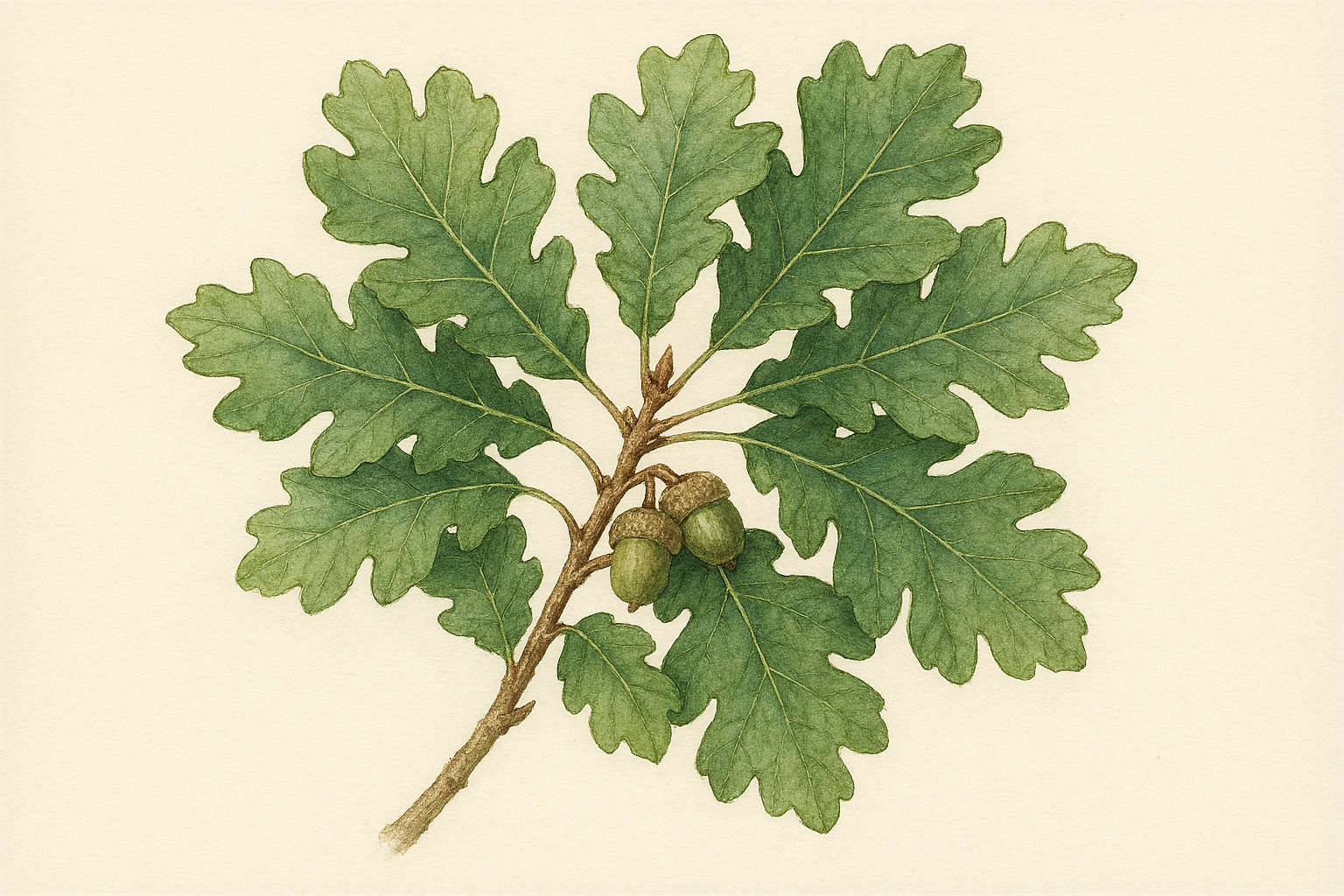
Oak (June 10 – July 7)
Ogham: Duir – Oak for protection; sacred in Druid lore.
Dependable protectors, optimistic and family-oriented.
Scientific name: Quercus robur. Bark for astringent remedies treating diarrhea and wounds.

Holly (July 8 – August 4)
Ogham: Tinne – Holly for strength.
Ambitious, noble leaders with generosity.
Scientific name: Ilex aquifolium. Leaves/berries for diuretics and fever relief (use cautiously).

Hazel (August 5 – September 1)
Ogham: Coll – Hazel for wisdom.
Analytical intellectuals, detail-focused.
Scientific name: Corylus avellana. Leaves for circulatory support and skin inflammation.

Vine (September 2 – September 29)
Ogham: Muin – Vine for prophecy.
Empathetic, balanced appreciators of beauty.
Scientific name: Vitis vinifera. Leaves/fruit for antioxidants, digestion, and heart health.

Ivy (September 30 – October 27)
Ogham: Gort – Ivy for perseverance.
Resilient, compassionate survivors.
Scientific name: Hedera helix. For anti-inflammatory respiratory and joint aids (potent; use with care).

Reed (October 28 – November 24)
Ogham: Ngetal – Reed for harmony; not a tree but plant in tracts.
Inquisitive truth-seekers, justice-driven.
Scientific name: Phragmites australis. Roots for diuretics and wound healing.

Elder (November 25 – December 23)
Ogham: Ruis – Elder for maturity.
Independent, empathetic seekers of freedom.
Scientific name: Sambucus nigra. Flowers/berries for immune support and antiviral cold remedies.

Reflections on Celtic Tree Wisdom
While Celtic tree astrology is a modern lens, it echoes genuine ancient respect for trees in texts like Auraicept na n-Éces and Ogham tracts, where they symbolize life’s cycles. Exploring your sign can foster environmental awareness and personal insight. For deeper study, consult historical manuscripts or scholarly works on Ogham.


Leave a Reply