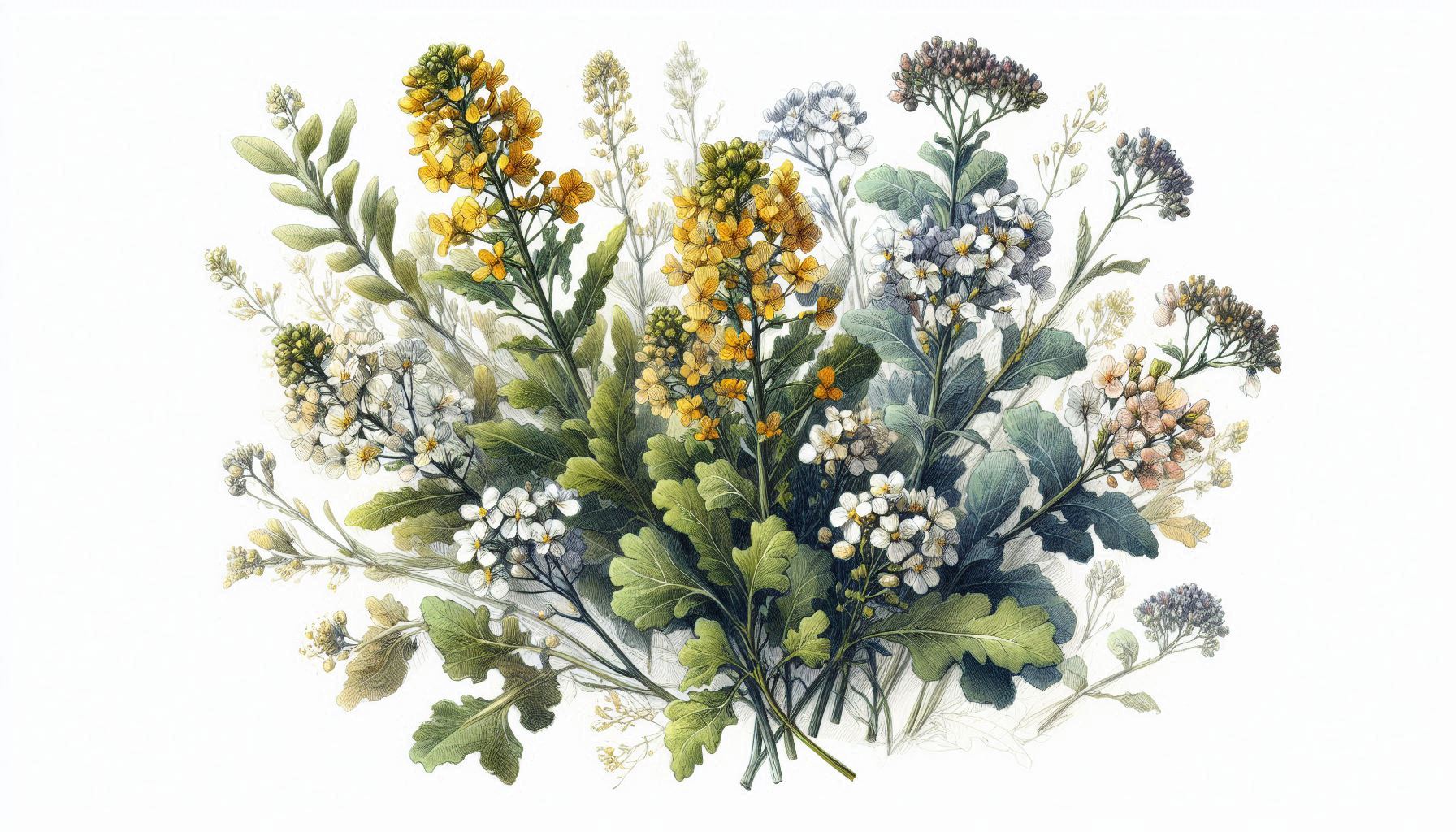
Mustard, encompassing Brassica alba (white or yellow mustard) and Brassica nigra (black mustard) from the Brassicaceae family, is a potent herb celebrated for its remarkable ability to stimulate circulation, relieve respiratory congestion, and soothe musculoskeletal pain. Known by evocative common names such as Yellow Mustard, Black Mustard, Sinapis, and Spicy Seed, this vibrant plant, with its bright yellow flowers and pungent seeds, has a storied legacy in European, Ayurvedic, and traditional Chinese medicine. Its seeds, leaves, and oil—rich in glucosinolates, volatile oils, and minerals—have been used for centuries to treat colds, rheumatism, and organ congestion. In this comprehensive exploration, we’ll uncover the multifaceted benefits of Mustard, its rich nutritional and bioactive profile, and how to safely incorporate its fiery, warming power into your wellness routine.

A Sacred Herb of Warmth and Vitality
Mustard is an annual herb that thrives in temperate climates, gracing fields and gardens across Europe, Asia, and North America with its lush green leaves and clusters of cheerful yellow flowers. Its name Brassica derives from the Celtic bresic (cabbage), reflecting its relation to cruciferous vegetables, while alba (white) and nigra (black) denote the seed colors of its two primary species. In ancient Rome, Mustard was a culinary and medicinal staple, praised by Pliny the Elder for its “heating” properties. Ayurvedic healers used it as a warming spice to balance kapha and vata doshas, while Chinese medicine employed it to disperse cold and relieve pain. Medieval herbalists dubbed it Sinapis, using its seeds in poultices for chest infections and joint pain.
Beyond its medicinal heritage, Mustard’s versatility shines in culinary and cultural traditions—its seeds flavor condiments, pickles, and curries, while its leaves are eaten as a spicy green. In herbalism, Mustard is a cornerstone for respiratory relief, pain management, and circulatory stimulation, valued for its rubefacient, expectorant, and anti-inflammatory properties. Modern research highlights its potential to enhance blood flow, reduce inflammation, and combat microbial infections. Whether mixed into a warming bath, applied as a decongesting poultice, or used in a liniment, Mustard embodies a sacred blend of warmth, vitality, and invigorating energy, inviting us to harness its fiery spirit for respiratory, musculoskeletal, and systemic wellness.

Body Systems and Organs Supported by Mustard
Mustard’s therapeutic reach spans multiple body systems, making it a versatile ally for respiratory, musculoskeletal, and circulatory health. It supports:
- Respiratory: Clears congestion, eases coughing, and supports lung health.
- Musculoskeletal: Relieves joint pain, muscle spasms, and rheumatic conditions.
- Circulatory: Stimulates blood flow, reduces organ congestion, and warms extremities.
- Integumentary: Soothes skin conditions like chilblains and promotes detoxification.
- Immune: Enhances resistance to colds and infections through antimicrobial action.
Mustard influences key organs, including:
- Lungs: Reduces congestion and supports respiratory function in bronchitis and pneumonia.
- Joints and Muscles: Eases inflammation and pain in arthritis and muscle strains.
- Heart: Enhances peripheral circulation, supporting cardiovascular health.
- Skin: Stimulates blood flow to the surface, aiding skin conditions and detoxification.
- Liver: Indirectly supports detoxification by improving circulation and organ function.
Its actions target tissues like mucous membranes, connective tissues, and vascular endothelium, making it an ideal remedy for respiratory infections, joint pain, and circulatory stagnation.

Bioactive and Medicinal Power of Mustard
Mustard’s therapeutic potency stems from its rich array of bioactive compounds, primarily found in its seeds, with additional benefits from its leaves and oil:
- Glucosinolates: Sinigrin (in black mustard) and sinalbin (in white mustard), which break down into isothiocyanates (e.g., allyl isothiocyanate), driving its rubefacient, antimicrobial, and expectorant effects.
- Volatile Oils: Myrosin and allyl isothiocyanate, responsible for its pungent aroma and warming, circulatory-stimulating properties.
- Phenolic Compounds: Ferulic acid and sinapic acid, offering antioxidant and anti-inflammatory benefits.
- Flavonoids: Quercetin and kaempferol, supporting vascular health and reducing inflammation.
- Other Compounds: Mucilage (soothing), sterols (anti-inflammatory), and fatty acids (skin-nourishing), enhancing its emollient and tonic effects.
These compounds drive Mustard’s extensive medicinal actions:
- Rubefacient: Stimulates blood flow to the skin, relieving organ congestion, muscle pain, and joint inflammation.
- Expectorant: Clears mucus from the lungs, easing coughs and respiratory infections like bronchitis and pneumonia.
- Anti-inflammatory: Reduces inflammation in joints, muscles, and respiratory tissues, supporting conditions like rheumatism and asthma.
- Antimicrobial: Combats bacterial, fungal, and viral infections, aiding respiratory and skin health.
- Analgesic: Relieves pain from muscle spasms, arthritis, and neuralgia by drawing blood to the surface.
- Circulatory Stimulant: Enhances peripheral circulation, warming extremities and treating chilblains.
- Detoxifying: Promotes sweating and blood flow, aiding the body in expelling toxins during colds and fevers.
- Emollient: Soothes irritated skin when used in diluted forms, supporting conditions like chilblains.
- Tonic: Invigorates the body, supporting vitality and resilience during illness.
These actions make Mustard a powerful remedy for respiratory congestion, musculoskeletal pain, circulatory issues, and skin conditions, with a warming, stimulating profile best suited for acute, external applications.

Nutritional Profile
Mustard seeds and leaves offer a robust nutrient profile, supporting its role as a circulatory stimulant, antimicrobial, and tonic herb:
- Vitamins:
- Vitamin C: Boosts immunity and supports tissue repair, particularly in leaves.
- Vitamin A (Beta-Carotene): Supports skin and mucous membrane health, abundant in leaves.
- Vitamin K: Aids blood clotting and bone health, found in leaves.
- B-Complex (trace): Enhances energy metabolism and nervous system function.
- Minerals:
- Calcium: Strengthens bones and supports muscle function, high in seeds and leaves.
- Magnesium: Promotes muscle relaxation and circulatory health.
- Potassium: Maintains fluid balance and supports heart function.
- Selenium: Provides antioxidant protection, particularly in seeds.
- Iron: Enhances oxygen transport, supporting energy and circulation.
- Other Nutrients:
- Glucosinolates: Act as functional nutrients, providing antimicrobial and anti-inflammatory benefits.
- Fatty Acids: Omega-3 and omega-6 in seeds support skin and cardiovascular health.
- Fiber: In seeds and leaves, promotes digestive health and detoxification.
Its nutrient profile enhances Mustard’s role as a rubefacient, expectorant, and tonic herb, particularly for the respiratory, musculoskeletal, and circulatory systems.

Traditional and Modern Applications
Mustard has been a staple in European, Ayurvedic, Chinese, and eclectic herbalism, with applications primarily focused on external uses, though internal culinary uses are also significant:
Internal Applications
- Culinary and Digestive Support: Mustard seeds, ground into powder or made into condiments, stimulate digestion, enhance appetite, and support gut health with their antimicrobial and warming properties. A pinch of ground mustard (1/8 tsp) added to meals aids digestion and combats bloating.
- Respiratory Health (Historical): In traditional medicine, small amounts of Mustard seed tea (½ tsp seeds steeped in 1 cup hot water) were used to clear phlegm and warm the body during colds, though internal use is less common today due to its potency.
- Immune Support: Its antimicrobial properties help prevent infections when consumed in culinary amounts, supporting resilience during cold and flu season.
External Applications
- Respiratory Relief: Mustard’s rubefacient and expectorant properties make it a premier remedy for bronchitis, pneumonia, and chest congestion. A chest poultice (mix ¼ cup Mustard powder with warm water to form a paste, apply to chest for 10–15 minutes, covered with a cloth) draws blood to the surface, relieving lung congestion and easing coughs. Remove immediately if it becomes uncomfortably hot to avoid burns.
- Musculoskeletal Pain: Its analgesic and anti-inflammatory actions alleviate rheumatism, arthritis, muscle spasms, and neuralgia. A poultice (mix Mustard powder with warm water, apply to affected joints or muscles for 10–15 minutes) reduces pain and inflammation by stimulating circulation.
- Circulatory Stimulation: Mustard baths (¼ cup Mustard powder mixed well into a warm bath) or foot baths (2 tbsp powder in a basin of warm water) promote sweating, raise a mild fever, and dispel colds, flu, or chills by enhancing blood flow and warming extremities. Exit the bath if it feels too hot.
- Skin Conditions: Its circulatory and antimicrobial properties treat chilblains, frostbite, and minor skin infections. A diluted poultice (1 tbsp Mustard powder mixed with ¼ cup warm water) applied to chilblains for 5–10 minutes soothes itching and promotes healing.
- Liniments and Ointments: Mustard oil or powder is a traditional ingredient in warming liniments for muscle strains, sprains, and joint pain, applied sparingly to avoid irritation.
- Historical Uses: Traditionally used for pleurisy, sciatica, and epilepsy (as a poultice), leveraging its ability to draw blood and reduce organ congestion, though modern use focuses on respiratory and musculoskeletal applications.

Dosage and Preparation
Mustard can be prepared as a poultice, bath, liniment, or culinary spice, with dosages tailored to the condition:
- Poultice: Mix ¼ cup Mustard powder with warm water to form a paste, apply to the chest, joints, or muscles for 10–15 minutes, nearest the area of internal inflammation (e.g., lungs for bronchitis). Cover with a cloth and remove before or when it becomes uncomfortably hot to prevent burns. Use 1–2 times daily.
- Bath: Add ¼ cup Mustard powder to a warm bath, mixed well, for 10–20 minutes to dispel colds, flu, or chills. For a foot bath, use 2 tbsp powder in a basin of warm water for 10–15 minutes. Exit if it feels too hot.
- Liniment: Mix 1 tsp Mustard powder or oil with a carrier oil (e.g., olive oil), apply sparingly to sore muscles or joints, 1–2 times daily, avoiding broken skin.
- Culinary: Use 1/8–¼ tsp ground Mustard seeds in cooking or as a condiment to stimulate digestion and support immunity, consumed daily as needed.
- Tea (Rare): Steep ½ tsp crushed seeds in 1 cup hot water for 10 minutes, taken sparingly (1 cup daily) for mild respiratory or digestive support, under professional guidance due to potency.
Important: Mustard’s potency requires careful application to avoid skin burns or irritation. Always monitor skin during poultices or baths, removing immediately if discomfort occurs. Use culinary-grade Mustard for internal use and medicinal-grade for external applications. Source sustainably, as commercial Mustard farming can impact soil health.

Cautions and Contraindications
Mustard is generally safe when used with caution but requires careful handling due to its potent, warming nature:
- Skin Burns: Prolonged contact with Mustard poultices or baths can cause redness, irritation, or burns, especially on sensitive skin. Remove poultices or exit baths if they become uncomfortably hot, and limit application to 10–15 minutes. Dilute with flour or oatmeal for sensitive skin.
- Allergies: Rare allergic reactions may occur, ranging from tingling or itching in the mouth (from culinary use) to skin rashes or, in extreme cases, difficulty breathing (anaphylaxis). Test topically or consume a small amount first, and seek immediate medical care for severe symptoms like swelling or respiratory distress.
- Medical Conditions:
- Sensitive Skin or Eczema: Avoid poultices or liniments, as Mustard may exacerbate irritation.
- Gastrointestinal Issues: Internal use in large amounts may irritate the stomach or exacerbate ulcers or acid reflux; stick to culinary doses.
- Thyroid Conditions: Glucosinolates may affect thyroid function in high doses; consult a healthcare provider if you have hypothyroidism or goiter.
- Drug Interactions: May enhance effects of blood thinners or anti-inflammatory drugs due to its circulatory and anti-inflammatory actions; consult a healthcare provider.
- Pregnancy and Nursing: Safe in culinary amounts, but avoid medicinal poultices or baths due to circulatory stimulation, which may affect pregnancy. Consult a healthcare provider.
- Children: Avoid poultices or baths in young children due to sensitive skin and risk of burns; culinary use is safe in moderation.
- Prolonged Use: Limit poultices or baths to 1–2 weeks to avoid skin sensitization or irritation.
Side Effects: Mild skin redness, tingling, or digestive upset may occur with overuse; discontinue if irritation persists. Severe allergic reactions or burns require immediate medical attention.

Synergistic Combinations and Substitutions
Mustard thrives in herbal and topical formulas, pairing with complementary herbs to enhance its effects and balance its intense, warming nature:
- With Ginger: Amplifies warming and circulatory effects, ideal for colds, flu, or muscle pain in baths or liniments.
- With Eucalyptus: Enhances expectorant and decongestant properties in chest poultices or steam inhalations for bronchitis or pneumonia.
- With Cayenne: Boosts rubefacient and analgesic actions in liniments for arthritis or neuralgia, but use sparingly to avoid excessive heat.
- With Chamomile: Balances Mustard’s intensity, soothing skin irritation in diluted poultices or baths for chilblains.
- With Elderflower: Supports fever resolution and respiratory relief in baths or teas, aiding colds and flu.
Substitutions:
- Cayenne (Capsicum annuum): Matches Mustard’s rubefacient and circulatory effects for poultices or liniments but is more intense and lacks expectorant properties.
- Horseradish (Armoracia rusticana): Offers similar warming, decongestant, and antimicrobial effects for respiratory and musculoskeletal relief but is less versatile in baths.

Cultural and Historical Significance
Mustard’s history spans over 5,000 years, rooted in culinary and medicinal traditions across cultures. In ancient Egypt, Mustard seeds were placed in tombs as a symbol of vitality, while in India, Ayurvedic texts like the Charaka Samhita prescribed them for pain and congestion. Greek physician Hippocrates used Mustard poultices for chest infections, and Roman gladiators consumed it for strength and warmth. In medieval Europe, monks grew Mustard in monastery gardens, using it for rheumatism and plague remedies, while its seeds were a trade commodity along the Silk Road.
In the 19th century, eclectic physicians in North America popularized Mustard plasters for pneumonia and pleurisy, and traditional Chinese medicine used it to “disperse cold” and relieve joint pain. Today, Mustard remains a staple in herbal liniments, respiratory remedies, and culinary traditions, with research supporting its anti-inflammatory, antimicrobial, and circulatory benefits. Its nickname, Spicy Seed, reflects its fiery essence, igniting warmth and vitality across centuries and continents.

Mustard (Brassica alba & Brassica nigra) is a fiery ally of circulation and respiratory relief, blending ancient warmth with profound medicinal power. From clearing chest congestion and easing coughs to relieving rheumatism and stimulating blood flow, this Yellow Mustard offers a dynamic path to wellness. Its bioactive compounds, particularly glucosinolates and volatile oils, deliver rubefacient, expectorant, and antimicrobial benefits, making it a versatile remedy for respiratory, musculoskeletal, and circulatory health.
Whether mixed into a warming bath, applied as a decongesting poultice, or blended with synergistic herbs, Mustard invites us to embrace its invigorating energy with caution and respect. Its safety hinges on proper application to avoid burns or allergic reactions, making common sense and moderation key. By incorporating Mustard into your routine under informed guidance, you can unlock its potential to warm, relieve, and revitalize. Let this Spicy Seed guide you through the timeless art of herbal medicine, connecting you to a legacy of fiery resilience and healing.




Leave a Reply