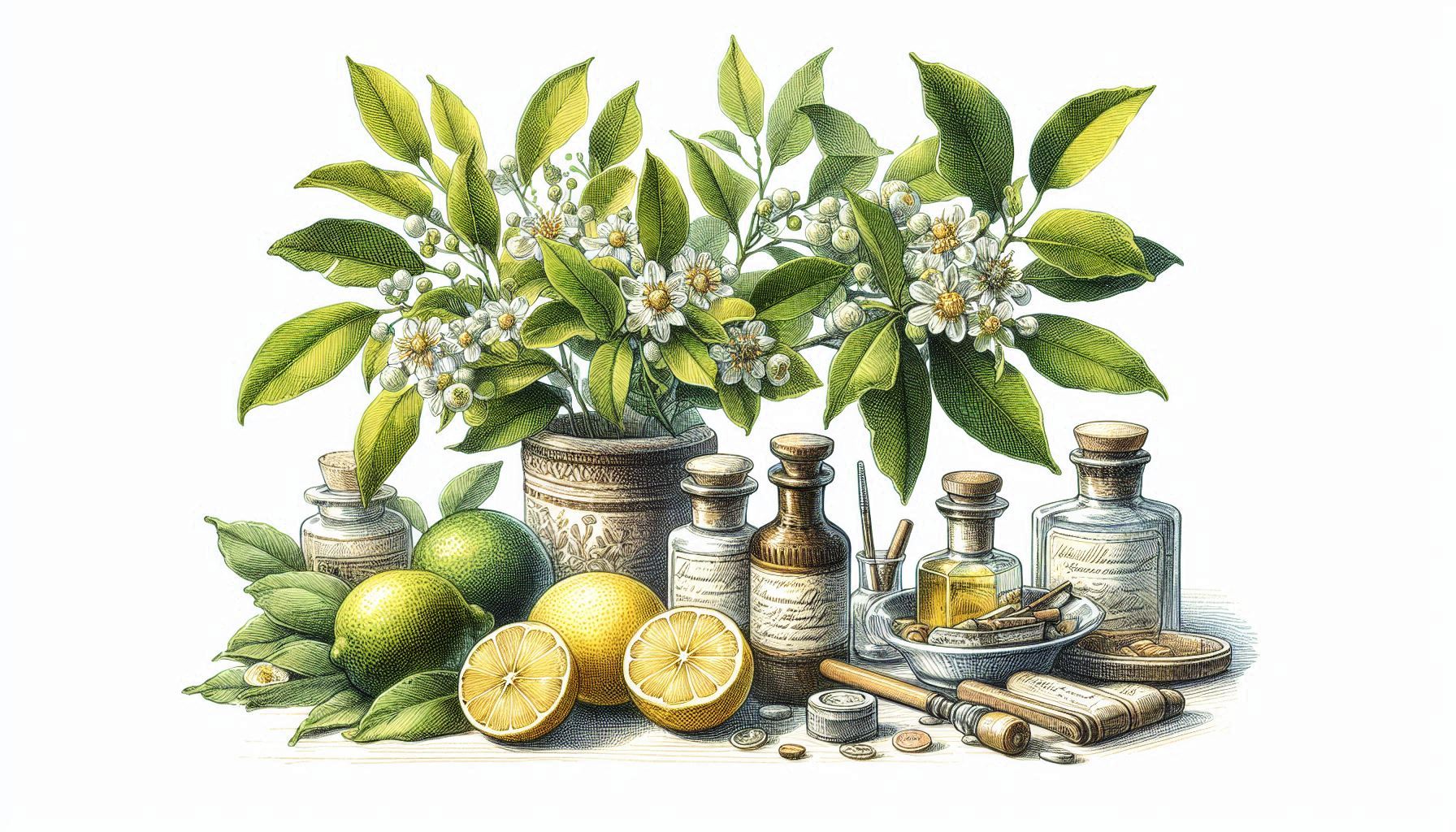
The Lime Tree, scientifically known as Tilia europaea and a member of the Tiliaceae family, is a revered herb celebrated for its profound ability to soothe the nervous system, support heart health, and promote detoxification. Known by evocative names such as Linden, European Linden, European Lime Tree, and Common Lime, this majestic deciduous tree graces parks and avenues across Europe with its heart-shaped leaves and clusters of fragrant, yellowish-white flowers. Its flowers and bark, rich in essential oils, flavonoids, and mucilage, offer nervine, diaphoretic, and cholagogue properties. Used for centuries by medieval herbalists, Native Americans, and modern practitioners, Lime Tree is a cornerstone of herbal medicine for anxiety, hypertension, and respiratory ailments. In this comprehensive article, we’ll explore the multifaceted benefits of Lime Tree, its bioactive profile, and how to safely incorporate it into your wellness routine.

A Majestic Tree of Serenity and Vitality
The Lime Tree is a towering, shade-giving giant, its broad canopy and sweet-scented blossoms creating a haven in European landscapes. Its common names reflect its cultural significance: Linden, derived from Old English, evokes its use in folklore and medicine, while Common Lime underscores its widespread presence. In medieval Europe, Lime Trees were planted as communal gathering spots, their flowers brewed into teas for colds, fevers, and nervous tension. Germanic tribes revered them as symbols of justice, holding court under their branches, while Slavic folklore linked them to love and protection, with blossoms tucked into bridal wreaths.
Lime Tree’s medicinal legacy centers on its ability to calm the mind, open the airways, and support circulation. Its mucilaginous flowers soothe mucous membranes, while its bark aids digestion by promoting bile flow. Beyond medicine, Lime Tree flowers flavor teas, syrups, and liqueurs, and their charcoal was historically used to heal wounds. Today, Lime Tree is valued for its anxiolytic, hypotensive, and expectorant properties, offering relief from stress-related hypertension, bronchial congestion, and migraines. Modern research highlights its efficacy in reducing blood pressure and calming nervous tension. Whether sipped as a fragrant infusion, applied as a healing poultice, or bathed in for relaxation, Lime Tree embodies a gentle yet potent blend of serenity, detoxification, and cardiovascular support, inviting us to harness its fragrant wisdom for nervous, circulatory, and respiratory wellness.

Body Systems and Organs Supported by Lime Tree
Lime Tree’s therapeutic reach spans multiple body systems, making it a versatile ally for nervous, circulatory, and respiratory health. It supports:
- Nervous: Calms stress, anxiety, and nervous tension, promoting mental clarity.
- Circulatory: Lowers blood pressure, particularly in arteriosclerosis, and supports heart and arterial health.
- Urinary: Enhances kidney and bladder function, flushing toxins and mucus.
- Digestive: Soothes the stomach and intestines, aiding digestion and relieving spasms.
- Respiratory: Clears mucus from the lungs and throat, easing coughs and congestion.
- Integumentary: Heals skin ailments and soothes irritations.
Lime Tree influences key organs, including the stomach, intestines, lungs, throat, heart, arteries, nervous system, bladder, skin, liver, and gallbladder, while its actions target tissues like nerves, muscles, heart, mucous membranes, and stomach, making it an ideal remedy for hypertension, respiratory infections, and nervous disorders.

Bioactive and Medicinal Power
Lime Tree’s therapeutic potency stems from its rich array of bioactive compounds, including:
- Essential Oils: Linalool, geraniol, eugenol, camphor, carvone, citral, citronellol, and limonene, providing calming, antimicrobial, and expectorant effects.
- Flavonoids: Kaempferol, quercetin, and hesperidin, offering antioxidant and anti-inflammatory benefits.
- Mucilage: Soothes mucous membranes, enhancing demulcent and emollient properties.
- Phenolics and Tannins: Contribute to astringent and antiseptic actions.
- Other Compounds: β-sitosterol, coumarin, fraxoside, vanilla, and polysaccharides, supporting hypotensive and cholagogue effects.
These compounds drive Lime Tree’s extensive medicinal actions:
- Anti-spasmodic: Relaxes muscle and vascular spasms, easing digestive cramps, bronchial tension, and migraines.
- Anxiolytic: Calms the nervous system, reducing stress, anxiety, and nervous tension.
- Astringent: Tones and tightens tissues, relieving diarrhea, excessive sweating, and skin irritations.
- Diaphoretic: Promotes sweating, reducing fevers and aiding detoxification in colds and flu.
- Diuretic: Increases urine production, flushing mucus and toxins from the kidneys and bladder.
- Nervine Relaxant: Soothes nerves, promoting mental calm and emotional balance.
- Carminative: Relieves bloating and digestive discomfort, supporting intestinal health.
- Expectorant: Clears mucus from the lungs and trachea, easing coughs and bronchial catarrh.
- Hypotensive: Lowers blood pressure, particularly in stress-related or arteriosclerotic hypertension.
- Cholagogue (Bark): Stimulates bile flow, aiding liver and gallbladder function and digestion.
- Emollient (Bark): Soothes and moisturizes mucous membranes and skin, relieving irritation.
These actions make Lime Tree a versatile remedy for nervous tension, high blood pressure, respiratory congestion, and digestive issues, with a soothing, fragrant profile ideal for both acute and chronic conditions.

Nutritional Profile
Limited research exists on Lime Tree’s nutritional content, as its primary value lies in its bioactive compounds. However, it likely contains trace amounts of:
- Minerals: Calcium, magnesium, and potassium, supporting nerve, muscle, and heart function.
- Vitamins: Small amounts of vitamin C in flowers, aiding immunity and skin health.
- Phytochemicals: Flavonoids, phenolics, and polysaccharides, contributing to antioxidant and anti-inflammatory effects.
Its nutritional profile is secondary to its medicinal compounds, which provide the bulk of its therapeutic benefits.

Traditional and Modern Applications
Lime Tree has been a staple in European, Native American, and modern herbalism, with applications divided into internal and external uses:
Internal Applications
- Nervous System Health: Lime Tree’s anxiolytic and nervine relaxant properties make it a premier remedy for stress, anxiety, and nervous tension. It calms the mind, reduces migraines caused by tension, and supports epilepsy management. An infusion or tincture is ideal for these conditions.
- Cardiovascular Health: Its hypotensive action lowers blood pressure, particularly in cases linked to arteriosclerosis or stress, supporting heart and arterial health. It’s effective for palpitations and hypertension.
- Respiratory Health: Its expectorant and diaphoretic properties clear mucus from the lungs and trachea, easing spasmodic coughs, sore throats, and bronchial catarrh. It reduces fever and night sweats in colds and flu, and a gargle or mouthwash soothes throat inflammation.
- Urinary Health: Its diuretic action flushes mucus and toxins from the kidneys and bladder, supporting mild urinary issues and detoxification.
- Digestive Health: Its carminative and anti-spasmodic properties relieve bloating, spasms, and digestive discomfort, while the bark’s cholagogue action aids liver and gallbladder function, preventing serious abdominal complications linked to respiratory conditions.
- Women’s Health: Its anti-spasmodic and relaxant properties ease menstrual cramps and support female reproductive health.
- Culinary Uses: Flowers are brewed into fragrant teas or added to syrups and desserts, providing a sweet, calming flavor with medicinal benefits.
External Applications
- Skin Healing: A poultice of flowers or bark treats boils, swellings, wounds, sores, blemishes, and other skin irritations, leveraging its astringent and emollient properties.
- Wound Care: Charcoal from Lime Tree wood, historically used for wounds, disinfects and promotes healing.
- Relaxation and Hysteria: A bath infused with flowers calms hysteria, nervous tension, and stress, promoting relaxation.
- Cosmetic Uses: Flower infusions are used in skincare for their soothing and toning effects, reducing blemishes and inflammation.

Dosage and Preparation
Lime Tree can be prepared as an infusion, tincture, poultice, or bath, with dosages tailored to the condition:
- Infusion (Flowers): Steep 1–2 tsp fresh or dried flowers in 8 oz boiling water for 30 minutes, drink 2–4 cups daily for nervous tension, colds, or urinary support; use 2–3 tsp and drink 3 times daily for fever reduction.
- Tincture: 1–2 mL 1–4 times daily, diluted in water, for hypertension or anxiety; 2–3 tsp dried flower tincture for diaphoretic effects in fevers.
- Mucilage Infusion: Steep flowers for up to 2 days to extract mucilage, consume sparingly (1–2 cups daily), and separate from other medications by 3 hours to avoid interference.
- Poultice: Crush fresh or dried flowers/bark into a paste with water, apply to skin ailments or painful areas.
- Bath: Add 1–2 cups flower infusion to bathwater for relaxation or hysteria relief.
- Gargle/Mouthwash: Use cooled infusion to soothe sore throats or oral inflammation.
Important: Effects are enhanced with smaller, frequent doses. For mucilage purposes, consume away from medications. Avoid large doses to prevent nausea, and limit use to short-term periods (2–4 weeks) to avoid potential side effects.

Cautions and Contraindications
Lime Tree has no known contraindications and is generally safe, but caution is needed:
- Large Doses: May cause nausea; stick to recommended dosages.
- Extended Use: Avoid prolonged use (beyond 4–6 weeks) to prevent potential digestive upset.
- Pregnancy and Nursing: Consult a healthcare provider due to limited safety data, though its mild nature suggests low risk.
- Drug Interactions: Mucilage may interfere with medication absorption; separate mucilage infusions from other drugs by 3 hours.
- Children: Safe in small doses (e.g., ½ tsp infusion) for colds or nervousness, but use under supervision.
- Side Effects: Rare, but high doses may cause mild digestive discomfort; reduce dose if this occurs.
- Allergies: Rare allergic reactions may occur; test in small doses before extensive use.

Synergistic Combinations and Substitutions
Lime Tree works well in formulas, pairing with complementary herbs to enhance its effects:
- With Hawthorn and Mistletoe (Equal Parts): Lowers blood pressure, combining hypotensive and cardiac-supporting properties.
- With Elder Flowers: Boosts diaphoretic and expectorant effects for colds and flu.
- With Hops: Enhances nervine and anxiolytic effects for nervous tension and insomnia.
- With Coltsfoot: Clears bronchial catarrh, combining expectorant and soothing actions.
For substitutions:
- Skullcap with Bayberry: Offers similar nervine and astringent properties but lacks Lime Tree’s hypotensive or cholagogue effects.
- Chamomile: Calms nerves and digestion but is less effective for hypertension or respiratory mucus.

Cultural and Historical Significance
Lime Tree’s history spans centuries, rooted in European, Slavic, and folk traditions. In medieval Europe, it was a “tree of justice,” hosting community gatherings and legal proceedings. Herbalists like Hildegard of Bingen praised its flowers for calming the mind and easing fevers, while Culpeper recommended it for epilepsy and “passions of the heart.” In Slavic folklore, Lime Trees were sacred to the goddess Lada, symbolizing love and protection, with blossoms used in rituals for fertility and harmony.
In the 19th century, Lime Tree tea became a staple in European apothecaries for colds, hypertension, and nervous disorders. Its charcoal was a battlefield remedy for wounds, valued for its antiseptic properties. Today, Lime Tree is a key ingredient in herbal teas, tinctures, and skincare products, with research validating its hypotensive, anxiolytic, and anti-inflammatory benefits. Its cultural legacy as a communal and healing tree endures, reflected in its use in modern wellness practices.

Lime Tree (Tilia europaea) is the fragrant blossom of calm and circulation, blending delicate beauty with profound healing power. From soothing nervous tension and lowering blood pressure to clearing respiratory mucus and supporting digestion, this majestic tree offers a holistic path to wellness. Its bioactive compounds, including essential oils, flavonoids, and mucilage, deliver nervine, hypotensive, and expectorant benefits, making it a versatile remedy for nervous, circulatory, and respiratory health.
Whether sipped as a soothing infusion, applied as a healing poultice, or bathed in for relaxation, Lime Tree invites us to embrace its gentle energy with mindfulness. Its safety and lack of contraindications make it accessible, though moderate dosing prevents nausea. By incorporating Lime Tree into your routine under the guidance of a healthcare professional, you can unlock its potential to calm, restore, and invigorate. Let this European Linden inspire you to explore the timeless wisdom of herbal medicine, connecting you to a legacy of serenity and vitality.


Leave a Reply