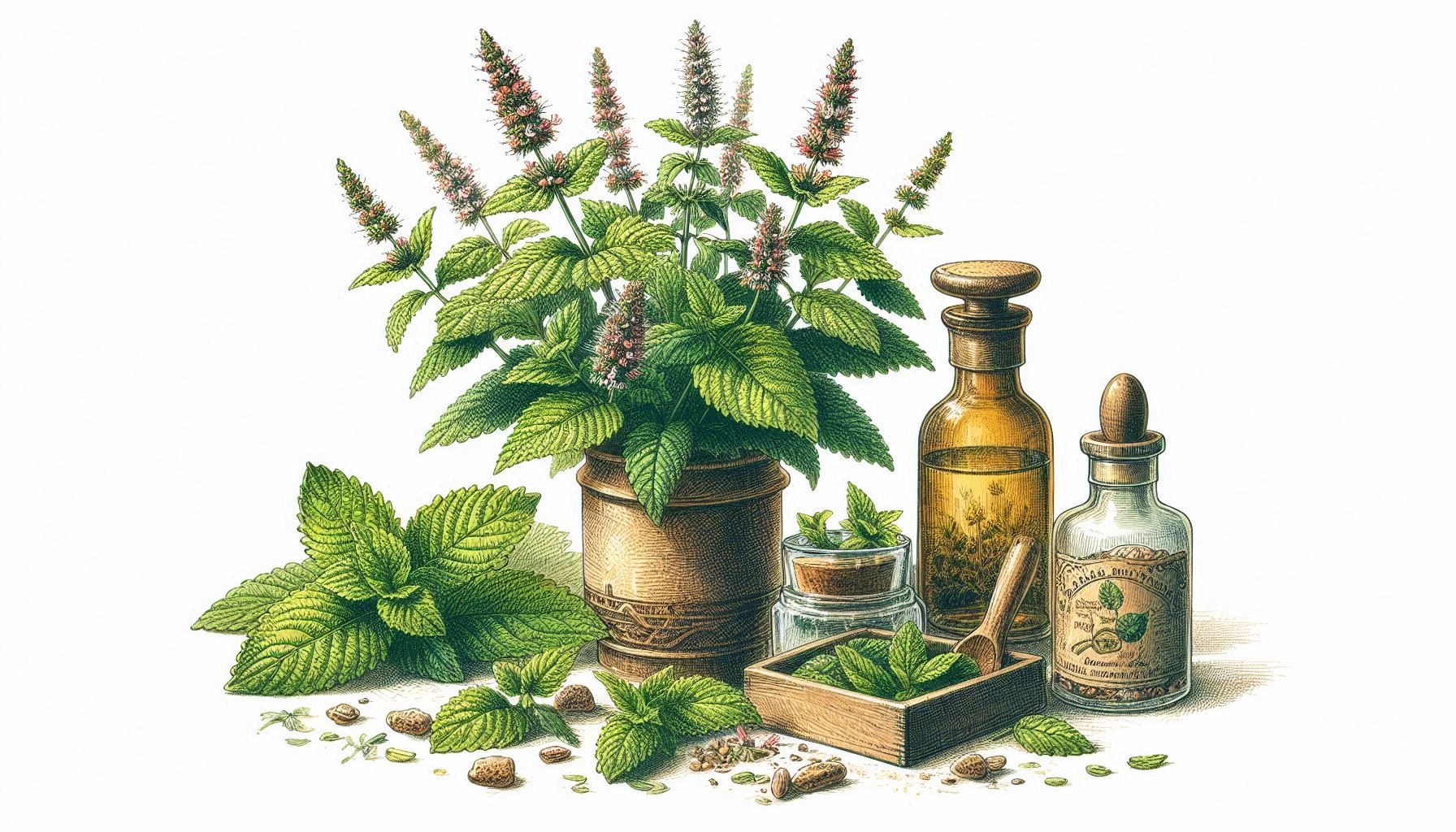
Lemon Balm, scientifically known as Melissa officinalis and a member of the Labiatae (mint) family, is a revered herb celebrated for its profound ability to soothe the nervous system, support digestion, and promote reproductive health. Known by evocative names such as Bee Balm, Cure-all, Melissa (from the Greek for “honeybee”), and Sweet Balm, this fragrant perennial is cherished for its lemon-scented leaves and delicate white flowers that attract pollinators. Its leaves and flowering stems, rich in volatile oils, polyphenols, and minerals, offer sedative, carminative, and antiviral properties. Used for centuries by ancient Greeks, medieval herbalists, and modern practitioners, Lemon Balm is a cornerstone of herbal medicine for anxiety, digestive woes, and menstrual discomfort. Today we’ll explore the multifaceted benefits of Lemon Balm, its rich nutritional and bioactive profile, and how to safely incorporate it into your wellness routine.

A Fragrant Ally of Serenity and Renewal
Lemon Balm is a lush, bushy herb that thrives in gardens and wild meadows across Europe, North America, and Asia, its soft, heart-shaped leaves releasing a citrusy aroma when crushed. Its name, Melissa, reflects its allure to bees, which flock to its nectar-rich flowers, while Cure-all hints at its historical use as a panacea for ailments of the mind, body, and spirit. Ancient Greeks dedicated Lemon Balm to the goddess Artemis, using it to uplift mood and aid digestion, while medieval monks brewed it into tonics for nervous disorders and heart palpitations. Paracelsus, the 16th-century physician, called it the “elixir of life,” believing it could restore vitality and prolong youth.
Lemon Balm’s versatility extends beyond medicine—its leaves flavor teas, desserts, and liqueurs, while its essential oil perfumes soaps and candles. In herbalism, it is a go-to remedy for stress, insomnia, and viral infections, valued for its ability to increase GABA (gamma-aminobutyric acid) in the brain, promoting calm and mental clarity. Modern research highlights its efficacy in reducing anxiety, fighting herpes viruses, and protecting brain health. Whether sipped as a soothing tea, applied as a healing compress, or inhaled for stress relief, Lemon Balm embodies a gentle yet powerful blend of tranquility, restoration, and vibrant health, inviting us to harness its sweet, lemony wisdom for nervous, digestive, and reproductive wellness.

Body Systems and Organs Supported by Lemon Balm
Lemon Balm’s therapeutic reach spans multiple body systems, making it a versatile ally for nervous, circulatory, digestive, and reproductive health. It supports:
- Nervous: Calms the brain, reduces anxiety, and promotes restful sleep.
- Circulatory: Regulates blood flow and supports cardiovascular health.
- Digestive: Soothes the stomach, relieves bloating, and enhances digestion.
- Reproductive: Supports uterine health, eases menstrual cramps, and promotes menstrual flow.
Lemon Balm influences key organs, particularly the brain, while its actions target tissues like skin, stomach, blood, and uterus, making it an ideal remedy for stress-related disorders, digestive complaints, and women’s health issues.

The Bioactive and Medicinal Power of Lemon Balm
Lemon Balm’s therapeutic potency stems from its rich array of bioactive compounds, including:
- Volatile Oils: Citral, citronellal, geraniol, pinene, nerol, and linalool, providing sedative, antiviral, and anti-inflammatory effects.
- Polyphenols: Eugenol (anesthetic and antiseptic), rosmarinic acid (antioxidant and neuroprotective), and flavonoids like isoquercitrin, enhancing antimicrobial and calming properties.
- Tannins: Labiatic acid, offering astringent and antiseptic benefits.
- Other Compounds: Triterpenoids, bitter principles, and acids, supporting its carminative and tonic actions.
These compounds drive Lemon Balm’s extensive medicinal actions:
- Alterative: Promotes detoxification, cleansing the blood and supporting overall vitality.
- Analgesic: Relieves pain, including headaches, toothaches, and menstrual cramps.
- Anti-anxiety and Antidepressant: Increases GABA, reducing anxiety and uplifting mood.
- Antihistamine: Mitigates allergic responses, supporting respiratory and skin health.
- Anti-inflammatory: Reduces inflammation in arthritis, wounds, and digestive tissues.
- Antimicrobial and Antiseptic: Combats bacteria (e.g., streptococci) and viruses (e.g., herpes, mumps).
- Antispasmodic: Relaxes smooth muscles in the digestive tract and uterus, easing cramps and spasms.
- Antiviral: Fights viral infections, particularly herpes and cold sores.
- Antithyroid: Regulates thyroid activity by interfering with thyroid-stimulating hormone (without causing dysfunction).
- Blood Regulator: Promotes healthy circulation and blood composition.
- Bronchodilator: Opens airways, aiding asthma and respiratory congestion.
- Carminative: Relieves bloating, flatulence, and digestive discomfort.
- Circulatory: Enhances blood flow, supporting cardiovascular health.
- Diaphoretic: Promotes sweating, reducing fevers and aiding detoxification.
- Diuretic: Increases urine flow, flushing toxins and supporting kidney function.
- Emmenagogue: Promotes menstrual flow, easing premenstrual congestion and cramps.
- Febrifuge: Lowers fevers, supporting recovery from illness.
- Neuroprotective: Protects brain cells from aging and oxidative stress.
- Parturient: Supports uterine health during childbirth (historical use, limited modern data).
- Sedative: Induces calm and restful sleep, alleviating insomnia and tension.
- Stimulant: Provides a gentle boost to mental clarity and vitality.
- Stomachic: Enhances digestion and soothes gastric irritation.
- Trophorestorative: Restores nervous system function, supporting long-term resilience.
- Uterine Tonic: Strengthens the uterus, promoting reproductive health.
These actions make Lemon Balm a versatile remedy for anxiety, insomnia, digestive issues, menstrual discomfort, and viral infections, with a gentle, uplifting profile suitable for a wide range of users.

Nutritional Profile
Lemon Balm provides a modest but valuable array of nutrients that enhance its therapeutic properties:
- Calories: Approximately 44 kcal per 100 g fresh leaves.
- Carbohydrates: ~8 g per 100 g, providing energy.
- Protein: ~3 g per 100 g, supporting tissue repair.
- Fat: <1 g per 100 g, low in lipids.
- Fiber: ~2 g per 100 g, aiding digestion.
- Vitamins:
- Vitamin C: Boosts immunity and supports skin health.
- Vitamin A: Promotes vision and skin integrity.
- Vitamin E: Acts as an antioxidant, protecting cells.
- Vitamin K: Supports blood clotting and bone health.
- Minerals:
- Calcium: Strengthens bones and supports nerve function.
- Iron: Promotes oxygen transport and energy.
- Magnesium: Enhances nerve and muscle function.
- Manganese: Supports metabolism and bone health.
- Phosphorus: Aids in energy production and bone health.
- Potassium: Maintains fluid balance and supports heart health.
- Zinc: Boosts immunity and skin repair.
- Phytochemicals: Volatile oils (citronellal, citral, geraniol), tannins, and eugenol, contributing to its aroma and therapeutic effects.
Its nutrient profile varies slightly based on soil conditions and cultivation, but it consistently supports Lemon Balm’s role as a nervine, digestive, and uterine tonic.

Traditional and Modern Applications
Lemon Balm has been a staple in Greek, European, and modern herbalism, with applications divided into internal and external uses:
Internal Applications
- Nervous System Health: Lemon Balm’s anti-anxiety, antidepressant, and sedative properties make it a premier remedy for anxiety, depression, insomnia, and tension headaches. By increasing GABA, it promotes calm, improves mood, and induces restful sleep. An infusion or tincture is ideal for stress, fainting, or emotional tension.
- Digestive Health: Its carminative and stomachic actions relieve flatulence, infant colic, and digestive troubles, soothing the stomach and reducing bloating. It’s effective for irritable bowel syndrome and gastric irritation.
- Respiratory Health: Its bronchodilator and antihistamine properties ease asthma, colds, and allergies, while its diaphoretic and febrifuge actions reduce fevers and promote recovery.
- Reproductive Health: Its emmenagogue and uterine tonic properties alleviate premenstrual congestion, menstrual cramps, and irregular cycles, making it a “women’s friend” for reproductive wellness.
- Pain Relief: Its analgesic and antispasmodic actions relieve headaches, toothaches, and muscle tension, while its eugenol content numbs wound pain.
- Viral and Microbial Infections: Its antiviral and antimicrobial properties combat herpes, cold sores, mumps, and bacterial infections like streptococci, supporting immune health.
- Thyroid Regulation: Its antithyroid action regulates overactive thyroid function without causing dysfunction, useful in hyperthyroidism.
- Culinary Uses: Fresh or dried leaves flavor teas, salads, desserts, and beverages, providing a lemony zest with calming benefits.
External Applications
- Wound and Skin Healing: A hot compress or crushed fresh leaves applied to wounds leverages its antiseptic and analgesic properties to reduce pain and prevent infection.
- Fever and Excitability: An enema or soaked cloth placed on the head reduces fevers and calms hyperactivity, particularly in children.
- Stress and Headache Relief: Inhaling the fragrance of crushed leaves or essential oil soothes headaches, tension, and stress. Adding leaves to baths promotes relaxation.
- Herpes and Cold Sores: A topical infusion or oil reduces herpes outbreaks and cold sore symptoms, leveraging its antiviral properties.

Dosage and Preparation
Lemon Balm can be prepared as an infusion, tincture, fluid extract, powder, or topical compress, with dosages tailored to the condition:
- Infusion: Steep 2 tsp dried leaves in 1 cup boiling water for 10–15 minutes, drink 3 cups frequently daily for anxiety, digestive issues, or fevers.
- Tincture: 30–60 drops (½–1½ tsp) 3 times daily, diluted in water, for nervous tension, insomnia, or menstrual cramps.
- Fluid Extract: ½–2 tsp, taken 1–2 times daily, for stronger sedative or antiviral effects.
- Powder/Capsules: 10 “0” capsules (approximately 5–7 g) as needed throughout the day for anxiety or sleep support; lower doses for anxiety, higher for insomnia.
- Compress: Soak a cloth in a strong infusion, apply to wounds or the forehead for pain, fever, or stress relief.
- Bath: Add 1–2 cups infusion or a handful of fresh leaves to bathwater for relaxation and skin soothing.
Important: Use lower doses for anxiety and higher doses for sleep. Lemon Balm is most effective when taken regularly for chronic conditions like anxiety or menstrual issues. Source from reputable suppliers to ensure quality, as nutrient content varies with cultivation conditions.

Cautions and Contraindications
Lemon Balm is considered safe by the FDA with no reported toxicity, but caution is needed:
- Pregnancy and Nursing: Avoid due to its emmenagogue properties and limited safety data.
- Thyroid Medications: Interferes with thyroid-stimulating hormone (thyrotropin); avoid in hypothyroidism or with thyroid medications without medical supervision.
- Infants and Children: Do not give tinctures to infants under 2 years; use infusions cautiously for older children and dilute appropriately.
- Elderly (Over 65): Use lower doses, as sensitivity to sedatives may increase.
- Mental Health Medications: Avoid combining with prescription drugs for mental health disorders (e.g., antidepressants, anti-anxiety meds), as it may enhance effects or cause interactions.
- Drowsiness: May cause drowsiness; avoid driving or operating heavy machinery after use.
- Side Effects: Rare, but stomach upset or diarrhea may occur; discontinue if these appear.
- Allergies: Rare allergic reactions may occur; test in small doses before extensive use.

Synergistic Combinations and Substitutions
Lemon Balm works well in formulas, pairing with complementary herbs to enhance its effects:
- With Peppermint, Spearmint, or Elder Flowers: Boosts diaphoretic and febrifuge effects for fevers and colds.
- With Catnip: Calms nervous fevers or hyperactive children with digestive disturbances, combining nervine and carminative properties.
- With Valerian: Promotes deep, restful sleep, amplifying sedative and anti-anxiety effects.
- With Chamomile: Enhances calming and digestive benefits for stress-related gastrointestinal issues.
No direct substitutions are documented, as Lemon Balm’s unique combination of nervine, antiviral, and uterine tonic properties is unmatched. However, herbs like Chamomile or Lavender may offer similar calming and digestive benefits, though they lack Lemon Balm’s antiviral or thyroid-regulating effects.

Cultural and Historical Significance
Lemon Balm’s history spans over 2,000 years, rooted in Greek, Roman, and European traditions. The Greeks used it to uplift spirits and aid digestion, dedicating it to Artemis for its protective qualities. Roman physician Dioscorides prescribed it for scorpion stings and nervous disorders, while medieval herbalist Hildegard of Bingen lauded its ability to “make the heart merry.” In the Middle Ages, it was a key ingredient in Carmelite water, a tonic for stress and longevity. Shakespeare referenced its calming effects in his plays, and colonial Americans adopted it for fevers and women’s health.
In folklore, Lemon Balm symbolized love and renewal, often planted near beehives to ensure abundant honey. Its essential oil, widely used in European aromatherapy, remains a staple for anxiety and vertigo. Today, Lemon Balm is a star in herbal teas, supplements, and antiviral creams, with research validating its anxiolytic, neuroprotective, and antiviral benefits. Its enduring legacy reflects its role as a gentle yet potent ally for mind, body, and spirit.

Lemon Balm (Melissa officinalis) is the Sweet Balm of calm and vitality, blending fragrant charm with profound healing power. From soothing anxiety and promoting restful sleep to relieving digestive woes and supporting menstrual health, this lemon-scented herb offers a holistic path to wellness. Its bioactive compounds, including volatile oils, rosmarinic acid, and eugenol, deliver sedative, antiviral, and carminative benefits, making it a versatile remedy for nervous, digestive, and reproductive health.
Whether sipped as a fragrant tea, applied as a healing compress, or inhaled for stress relief, Lemon Balm invites us to embrace its gentle energy with mindfulness. Its safety and lack of toxicity make it accessible, though caution is needed during pregnancy or with thyroid medications. By incorporating Lemon Balm into your routine under the guidance of a healthcare professional, you can unlock its potential to soothe, restore, and uplift. Let this Bee Balm inspire you to explore the timeless wisdom of herbal medicine, connecting you to a legacy of tranquility and vibrant health.


Leave a Reply