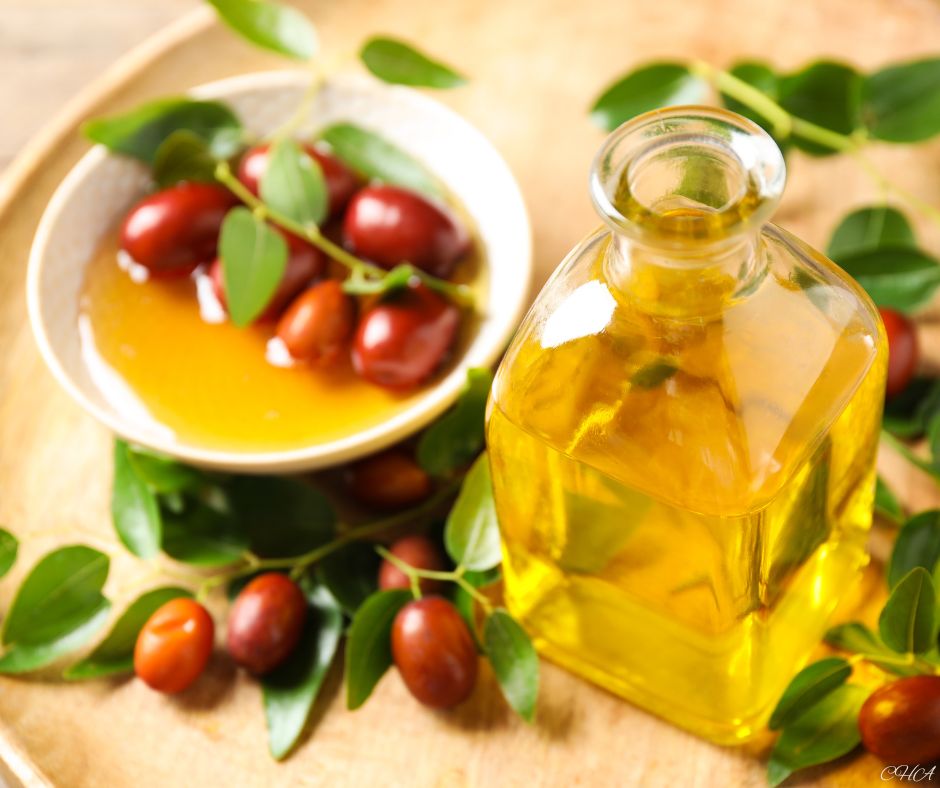
Jojoba oil, derived from the seeds of the jojoba plant (Simmondsia chinensis), has become a beloved staple in skincare routines worldwide. This golden, liquid wax is celebrated for its versatility, gentle nature, and remarkable benefits, particularly for delicate, dry, or mature skin types. In this in-depth article, we’ll explore what jojoba oil is, how it works, its unique properties, and why it’s an exceptional choice for nurturing sensitive or aging skin. We’ll also delve into its practical applications, scientific backing, and tips for incorporating it into your skincare regimen.

What Is Jojoba Oil?
Jojoba oil is not technically an oil but a liquid wax ester extracted from the seeds of the jojoba plant, a hardy shrub native to the arid regions of the southwestern United States and northern Mexico. The plant thrives in harsh desert environments, and its seeds produce a substance that closely mimics the natural sebum (oil) produced by human skin. This unique similarity is what makes jojoba oil so compatible with our skin and a standout ingredient in skincare.
Unlike traditional oils, jojoba oil has a long shelf life due to its stability and resistance to oxidation. It’s non-comedogenic (meaning it doesn’t clog pores), hypoallergenic, and rich in vitamins, minerals, and antioxidants, making it an ideal choice for a wide range of skin types, particularly those that are delicate, dry, or showing signs of aging.
Why Jojoba Oil Is Ideal for Delicate, Dry, or Mature Skin
Delicate, dry, or mature skin types have unique needs. Delicate skin is prone to irritation, redness, and sensitivity, often reacting to harsh ingredients or environmental stressors. Dry skin lacks sufficient moisture or oil, leading to flakiness, tightness, or discomfort. Mature skin, typically seen in individuals over 35, may exhibit signs of aging such as fine lines, wrinkles, and reduced elasticity, often accompanied by dryness due to decreased sebum production. Jojoba oil addresses these concerns in multiple ways, thanks to its unique composition and properties.
1. Mimics Skin’s Natural Sebum
Jojoba oil’s chemical structure is remarkably similar to human sebum, the oily substance produced by sebaceous glands to keep skin hydrated and protected. This similarity allows jojoba oil to integrate seamlessly with the skin’s natural barrier, helping to balance oil production. For dry skin, it provides much-needed moisture without feeling heavy or greasy. For delicate skin, its gentle, non-irritating nature soothes and protects without triggering sensitivities. For mature skin, it compensates for the natural decline in sebum production, keeping the skin supple and hydrated.
2. Deeply Moisturizing and Hydrating
Dry and mature skin often suffer from a compromised moisture barrier, leading to water loss and a rough, flaky texture. Jojoba oil is an excellent emollient, meaning it helps to soften and smooth the skin by filling in gaps in the skin’s lipid barrier. Its wax-like structure forms a breathable layer that locks in moisture without clogging pores, making it suitable even for delicate skin prone to irritation. Regular use can alleviate tightness, flakiness, and discomfort, leaving skin feeling soft and nourished.
3. Rich in Antioxidants and Nutrients
Jojoba oil is packed with beneficial compounds, including:
- Vitamin E: A powerful antioxidant that protects skin from free radical damage caused by UV rays, pollution, and other environmental stressors. This is particularly beneficial for mature skin, as free radicals accelerate aging by breaking down collagen and elastin.
- Vitamin B-complex: Supports skin repair and helps maintain a healthy skin barrier, which is crucial for delicate and dry skin types.
- Minerals like zinc and copper: These promote skin healing and reduce inflammation, making jojoba oil soothing for sensitive or irritated skin.
- Fatty acids: Jojoba oil contains omega-9 fatty acids (e.g., oleic acid), which nourish and strengthen the skin barrier, improving resilience against dryness and irritation.
These nutrients work together to combat oxidative stress, support skin repair, and enhance overall skin health, making jojoba oil a powerhouse for mature or delicate skin.
4. Anti-Inflammatory Properties
Delicate skin is often prone to redness, irritation, or inflammation due to its sensitivity to external triggers like harsh weather, chemicals, or allergens. Jojoba oil has natural anti-inflammatory properties that help calm irritated skin and reduce redness. For mature skin, which may experience low-grade inflammation (sometimes called “inflammaging”), jojoba oil’s soothing effects can help maintain a calm, even complexion.
5. Supports Collagen Production
Collagen is a protein responsible for skin’s firmness and elasticity, but its production naturally declines with age, leading to wrinkles and sagging in mature skin. Jojoba oil’s antioxidant content, particularly vitamin E, helps protect existing collagen from degradation by neutralizing free radicals. Additionally, its nourishing properties create an optimal environment for skin cell turnover, which can indirectly support collagen synthesis and improve skin texture over time.
6. Non-Comedogenic and Gentle
Unlike heavier oils that can clog pores and exacerbate acne or irritation, jojoba oil is non-comedogenic, making it safe for delicate skin prone to breakouts or sensitivity. Its lightweight texture absorbs quickly, providing hydration without leaving a greasy residue. This makes it an excellent choice for those with dry or mature skin who still want to avoid pore-clogging ingredients.
7. Promotes Skin Barrier Repair
The skin’s barrier is its first line of defense against environmental aggressors, but it can become compromised in dry, delicate, or mature skin, leading to increased sensitivity and moisture loss. Jojoba oil strengthens the skin barrier by replenishing lipids, improving its ability to retain moisture and protect against irritants. This is especially important for mature skin, which tends to have a thinner, more fragile barrier due to aging.
8. Reduces the Appearance of Fine Lines and Wrinkles
For mature skin, one of the most sought-after benefits of jojoba oil is its ability to minimize the appearance of fine lines and wrinkles. Its hydrating properties plump the skin, making lines less noticeable, while its antioxidants combat the oxidative stress that contributes to premature aging. Regular use can lead to a smoother, more youthful complexion.
Scientific Backing for Jojoba Oil’s Benefits
While much of the evidence for jojoba oil’s benefits comes from anecdotal reports and traditional use, several studies support its efficacy in skincare:
- A 2013 study published in the Journal of Ethnopharmacology highlighted jojoba oil’s anti-inflammatory and wound-healing properties, noting its ability to reduce skin irritation and promote tissue repair.
- Research in the Journal of Dermatological Science (2015) found that jojoba oil’s composition closely resembles human sebum, making it an effective moisturizer that supports the skin’s natural barrier function.
- A 2018 study in Molecules emphasized jojoba oil’s antioxidant activity, particularly its vitamin E content, which helps protect skin cells from oxidative damage.
These findings underscore why jojoba oil is a go-to ingredient for addressing the needs of delicate, dry, or mature skin.
How to Use Jojoba Oil for Delicate, Dry, or Mature Skin
Jojoba oil’s versatility makes it easy to incorporate into your skincare routine. Here are some practical ways to use it:
1. As a Moisturizer
- How to Use: After cleansing, apply 2–4 drops of jojoba oil to slightly damp skin to lock in moisture. Gently massage it into your face and neck using upward motions.
- Why It Works: This method hydrates dry skin, soothes delicate skin, and supports the skin barrier in mature skin.
2. As a Makeup Remover
- How to Use: Apply a few drops of jojoba oil to a cotton pad or your fingertips and gently massage it over your face to dissolve makeup, including waterproof mascara. Follow with a gentle cleanser.
- Why It Works: Jojoba oil is gentle enough for delicate skin and effectively removes makeup without stripping natural oils, which is crucial for dry or mature skin.
3. As a Facial Oil in Your Routine
- How to Use: After applying a water-based serum, use jojoba oil as the final step in your nighttime routine to seal in hydration. Mix a drop or two with your regular moisturizer for an extra boost.
- Why It Works: This enhances hydration and protects the skin barrier, reducing moisture loss overnight.
4. For Spot Treatments
- How to Use: Dab a small amount of jojoba oil onto dry patches, irritated areas, or fine lines to target specific concerns.
- Why It Works: Its anti-inflammatory and moisturizing properties provide targeted relief for delicate or dry areas.
5. As a Massage Oil
- How to Use: Use jojoba oil for a gentle facial massage to boost circulation and promote lymphatic drainage. This can be done 1–2 times a week for 5–10 minutes.
- Why It Works: Massage stimulates blood flow, which can improve skin tone and elasticity, benefiting mature skin.
6. In DIY Skincare
- How to Use: Combine jojoba oil with other gentle ingredients like aloe vera, chamomile extract, or rosehip oil to create a custom serum or mask for delicate or dry skin.
- Why It Works: Jojoba oil acts as a carrier oil, enhancing the delivery of other beneficial ingredients.
Tips for Choosing and Using Jojoba Oil
- Choose High-Quality Oil: Opt for cold-pressed, organic, and unrefined jojoba oil to ensure maximum nutrient retention and purity. Refined versions may lack some beneficial compounds.
- Patch Test First: While jojoba oil is generally safe for delicate skin, always perform a patch test on your inner arm to rule out any sensitivities.
- Store Properly: Keep jojoba oil in a cool, dark place to maintain its stability and extend its shelf life (which is naturally long due to its wax-like structure).
- Use Sparingly: A little goes a long way. Overusing jojoba oil can make skin feel oily, so start with a few drops and adjust as needed.
- Combine with Sunscreen: While jojoba oil offers some antioxidant protection, it’s not a substitute for sunscreen. Always apply SPF during the day to protect delicate or mature skin from UV damage.
Potential Considerations and Precautions
While jojoba oil is generally safe and well-tolerated, there are a few things to keep in mind:
- Allergies: Though rare, some individuals may be allergic to jojoba oil. Discontinue use if you experience redness, itching, or irritation.
- Purity: Avoid products with additives, fragrances, or synthetic ingredients, as these can irritate delicate skin.
- Consult a Dermatologist: If you have chronic skin conditions like eczema or rosacea, consult a dermatologist before incorporating jojoba oil into your routine.
Jojoba oil is a versatile, gentle, and highly effective skincare ingredient that offers a wealth of benefits for delicate, dry, or mature skin. Its ability to mimic natural sebum, provide deep hydration, reduce inflammation, and protect against oxidative damage makes it a must-have for those seeking to nurture and rejuvenate their skin. Whether used as a moisturizer, makeup remover, or part of a DIY treatment, jojoba oil can transform your skincare routine, leaving your skin soft, supple, and radiant.
By incorporating high-quality jojoba oil into your daily regimen and following the tips outlined above, you can harness its full potential to support your skin’s health and beauty. For those with delicate, dry, or mature skin, this natural wonder is a gentle yet powerful ally in achieving a healthy, glowing complexion.




Leave a Reply