
Picture this: you step into your garden, where tomatoes blush red beside fragrant basil, marigolds stand guard like golden sentinels, and the air hums with the gentle buzz of pollinators. This isn’t just a garden—it’s a thriving ecosystem, where plants work together to fend off pests, enrich the soil, and boost your harvest. This is the magic of companion planting, an ancient practice that transforms your garden into a harmonious community. Whether you’re a novice with a few pots or a seasoned grower with rows of raised beds, companion planting is a simple, sustainable way to maximize your garden’s potential. Let’s dive into this beginner-friendly guide to designing a garden that repels pests and doubles your harvest, fostering a deep connection with the earth and its rhythms.

What Is Companion Planting?
Companion planting is the art and science of growing different plants together to enhance their growth, deter pests, and improve yields. It’s based on the idea that certain plants are better neighbors than others, offering mutual benefits like natural pest control, improved pollination, or enriched soil. Think of it as matchmaking for your garden—pairing plants that bring out the best in each other while avoiding combinations that cause conflict.
Rooted in centuries of agricultural wisdom, companion planting draws from Indigenous practices, such as the Native American “Three Sisters” method (corn, beans, and squash grown together), and modern ecological science. It’s a celebration of biodiversity, where every plant plays a role in a thriving, balanced ecosystem. For you, the gardener, it’s an invitation to observe, experiment, and connect with the living world in your backyard.
Why Companion Planting Matters
Why go to the trouble of planning plant pairings? The benefits are as practical as they are poetic:
- Natural Pest Control: Certain plants, like marigolds or garlic, repel insects with their scent or chemical compounds, reducing the need for chemical pesticides.
- Increased Yields: Companion plants can enhance growth by improving soil nutrients or attracting pollinators like bees and butterflies.
- Healthier Soil: Nitrogen-fixing plants, such as beans, enrich the soil, while deep-rooted plants like comfrey break up compacted earth.
- Space Efficiency: Pairing tall plants (like corn) with low-growers (like lettuce) maximizes limited space.
- Connection to Nature: Watching plants thrive together feels like witnessing a small miracle, deepening your bond with your garden.

Step 1: Understand the Principles of Companion Planting
Before you start planting, let’s explore the core principles that make companion planting work. These are the building blocks of a successful garden design:
- Pest-Repelling Plants: Some plants emit odors or compounds that deter pests. For example, onions repel carrot flies, while nasturtiums lure aphids away from roses.
- Pollinator Attraction: Flowers like borage or zinnias draw bees and butterflies, boosting pollination for fruiting crops like tomatoes or squash.
- Nutrient Sharing: Plants like legumes (beans, peas) fix nitrogen in the soil, feeding heavy feeders like corn or cabbage.
- Shade and Support: Tall plants, such as sunflowers, provide shade for heat-sensitive greens or act as trellises for climbing vines like cucumbers.
- Trap Cropping: Sacrificial plants, like radishes, attract pests away from your main crops, protecting them from damage.

Step 2: Plan Your Garden Layout
Designing a companion planting garden starts with a vision. Imagine the colors, scents, and textures of your plants working in harmony. Then, follow these steps to bring your vision to life:
Assess Your Space
Evaluate your garden’s conditions:
- Sunlight: Most vegetables and herbs need 6–8 hours of sun, but some companions, like lettuce, tolerate partial shade.
- Soil: Test your soil’s pH and nutrient levels. Most plants prefer slightly acidic to neutral soil (pH 6.0–7.0).
- Space: Whether you have a large plot, raised beds, or containers, companion planting works anywhere. Vertical gardening (e.g., trellises for beans) is great for small spaces.
Sketch a layout, grouping plants by their needs and relationships. For example, place sun-loving tomatoes near basil and marigolds, but keep them away from potatoes, which can share diseases.
Choose Your Goals
What do you want from your garden? Your goals will guide your plant choices:
- Pest Control: Focus on repellent plants like garlic, chives, or lavender.
- Maximized Harvest: Pair nutrient-sharing plants, like beans and corn, or pollinator-attractors, like cosmos and zucchini.
- Aesthetic Appeal: Blend edibles with ornamental companions, such as purple basil or bright nasturtiums, for a feast for the eyes.
- Sustainability: Incorporate cover crops like clover to enrich soil between planting seasons.

Step 3: Select Companion Plant Pairs
The heart of companion planting is choosing the right combinations. Below are five classic pairings to get you started, along with their benefits and growing tips. These are beginner-friendly and versatile, perfect for fostering confidence and connection with your garden.
- Tomatoes + Basil
- Benefits: Basil repels tomato hornworms and flies while enhancing tomato flavor. Both attract pollinators.
- Growing Tips: Plant basil 12–18 inches from tomatoes in full sun with well-drained soil. Pinch basil to encourage bushy growth. Harvest tomatoes when fully colored and basil leaves before flowering.
- Connection: Imagine plucking a ripe tomato and a sprig of basil for a fresh caprese salad—the scent alone feels like summer’s embrace.
- Corn + Beans + Squash (Three Sisters)
- Benefits: Corn provides a trellis for climbing beans, beans fix nitrogen to feed corn and squash, and squash’s broad leaves shade the soil, suppressing weeds and retaining moisture.
- Growing Tips: Plant corn in a block (not rows) for pollination, then add pole beans and sprawling squash like pumpkins. Needs full sun and rich soil. Harvest corn when kernels are juicy, beans when pods are plump, and squash when rinds are hard.
- Connection: This trio feels like a lesson in community, each plant giving and receiving in perfect balance.
- Carrots + Onions
- Benefits: Onions deter carrot flies, while carrots’ feathery foliage provides light shade for onions. Both maximize space with their different root depths.
- Growing Tips: Sow carrots and onions in loose, well-drained soil with full sun. Thin carrots to 2 inches apart. Harvest onions when tops yellow and carrots when roots are vibrant.
- Connection: Pulling a crisp carrot and a pungent onion from the earth feels like unearthing buried treasure.
- Cabbage + Marigolds
- Benefits: Marigolds’ strong scent repels cabbage moths and nematodes, protecting brassicas like cabbage, kale, or broccoli.
- Growing Tips: Plant marigolds around cabbage in full sun. Deadhead marigolds to prolong blooming. Harvest cabbage when heads are firm. Marigolds are annuals but self-seed easily.
- Connection: Marigolds’ cheerful blooms bring joy to the garden, reminding you that beauty can also be a protector.
- Cucumbers + Nasturtiums
- Benefits: Nasturtiums act as a trap crop, luring aphids away from cucumbers, and their flowers attract pollinators. Both love warm weather.
- Growing Tips: Plant cucumbers on trellises for space efficiency, with nasturtiums at the base. Needs full sun and moist, fertile soil. Harvest cucumbers when firm and nasturtium flowers for edible garnishes.
- Connection: Nasturtiums’ peppery blooms add a spark to your salads, making every bite a celebration of your garden’s bounty.
Avoid These Pairings
Some plants don’t get along due to competition, shared pests, or chemical interference:
- Tomatoes and Potatoes: Both attract blight and potato beetles.
- Beans and Onions: Onions stunt bean growth.
- Dill and Carrots: Dill can cross-pollinate with carrots, affecting flavor.

Step 4: Prepare and Plant Your Garden
Healthy soil sets the stage for companion planting success. Test your soil and amend as needed:
- Clay Soil: Add compost or sand for drainage.
- Sandy Soil: Mix in organic matter to retain moisture.
- Poor Soil: Use raised beds with a blend of topsoil, compost, and perlite.
Start seeds indoors 6–8 weeks before your last frost date (check your USDA zone), or buy seedlings for faster results. Follow spacing guidelines to avoid overcrowding—crowded plants compete for light and nutrients, weakening their companion benefits. Water gently after planting, and mulch with straw or wood chips to conserve moisture and deter weeds.

Step 5: Care for Your Garden
A companion planting garden thrives with attentive care:
- Watering: Water deeply but infrequently, aiming for 1 inch per week. Group plants with similar water needs (e.g., tomatoes and basil).
- Weeding: Remove weeds promptly to reduce competition.
- Pruning: Trim basil or nasturtiums to promote growth and prevent pests from hiding.
- Pest Monitoring: Check for pests like aphids or cabbage worms. Hand-pick or use natural remedies like neem oil.
- Rotation: Rotate crops annually to prevent soil depletion and pest buildup.

Step 6: Expand Your Companion Planting
As you gain confidence, experiment with more companions:
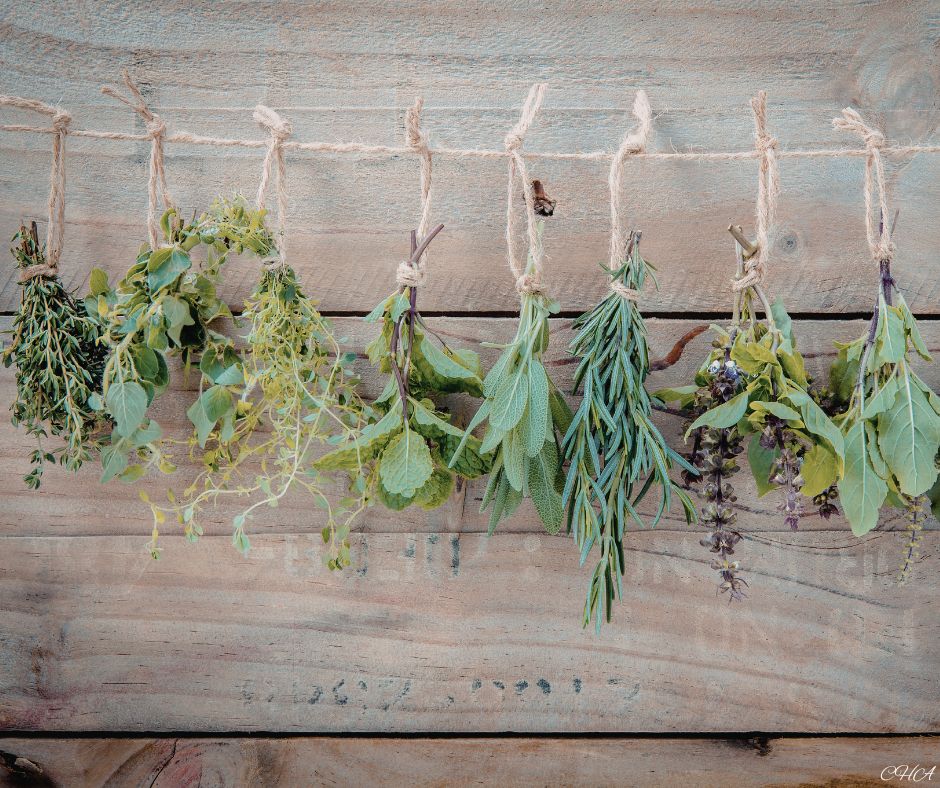
- Herbs: Plant dill near cucumbers to attract beneficial insects or rosemary near beans to repel beetles.
- Flowers: Add zinnias or cosmos to draw pollinators and add color.
- Cover Crops: Sow clover or alfalfa in off-seasons to enrich soil.
Keep a garden journal to track what works and what doesn’t. Note which pairings boost yields or reduce pests, and share your discoveries with fellow gardeners online or in local communities.

Step 7: Make It Personal
Your garden is a canvas for creativity and connection. Add elements to make it uniquely yours:
- Paths and Seating: Create stone paths or add a bench to linger among your plants.
- Sensory Appeal: Include fragrant herbs like lavender or tactile plants like lamb’s ear.
- Cultural Ties: Grow plants tied to your heritage, like cilantro for Mexican cuisine or sesame for Asian dishes.
- Rituals: Celebrate the first tomato or the bloom of a marigold with a small moment of gratitude.

Connecting with Your Garden
As you tend your companion planting garden, you’ll feel a quiet magic unfold. The way basil protects tomatoes, or marigolds shield cabbage, mirrors the way we care for each other in community. Every seed you sow, every pest you deter, every fruit you harvest is a step closer to the earth. Your garden becomes a teacher, showing you patience, resilience, and the beauty of interdependence.

Getting Started Today
Ready to dive in? Start small—try planting tomatoes with basil or carrots with onions in a pot or a corner of your yard. Visit a nursery, pick up a companion planting chart, or join a gardening group to swap seeds and stories. Your garden doesn’t need to be flawless; it just needs your curiosity and care.
As you watch your plants thrive together, you’ll feel a spark of pride and wonder. You’re not just growing food—you’re cultivating a living, breathing partnership with nature. Welcome to companion planting, where your garden becomes a story of connection, abundance, and joy.


Leave a Reply