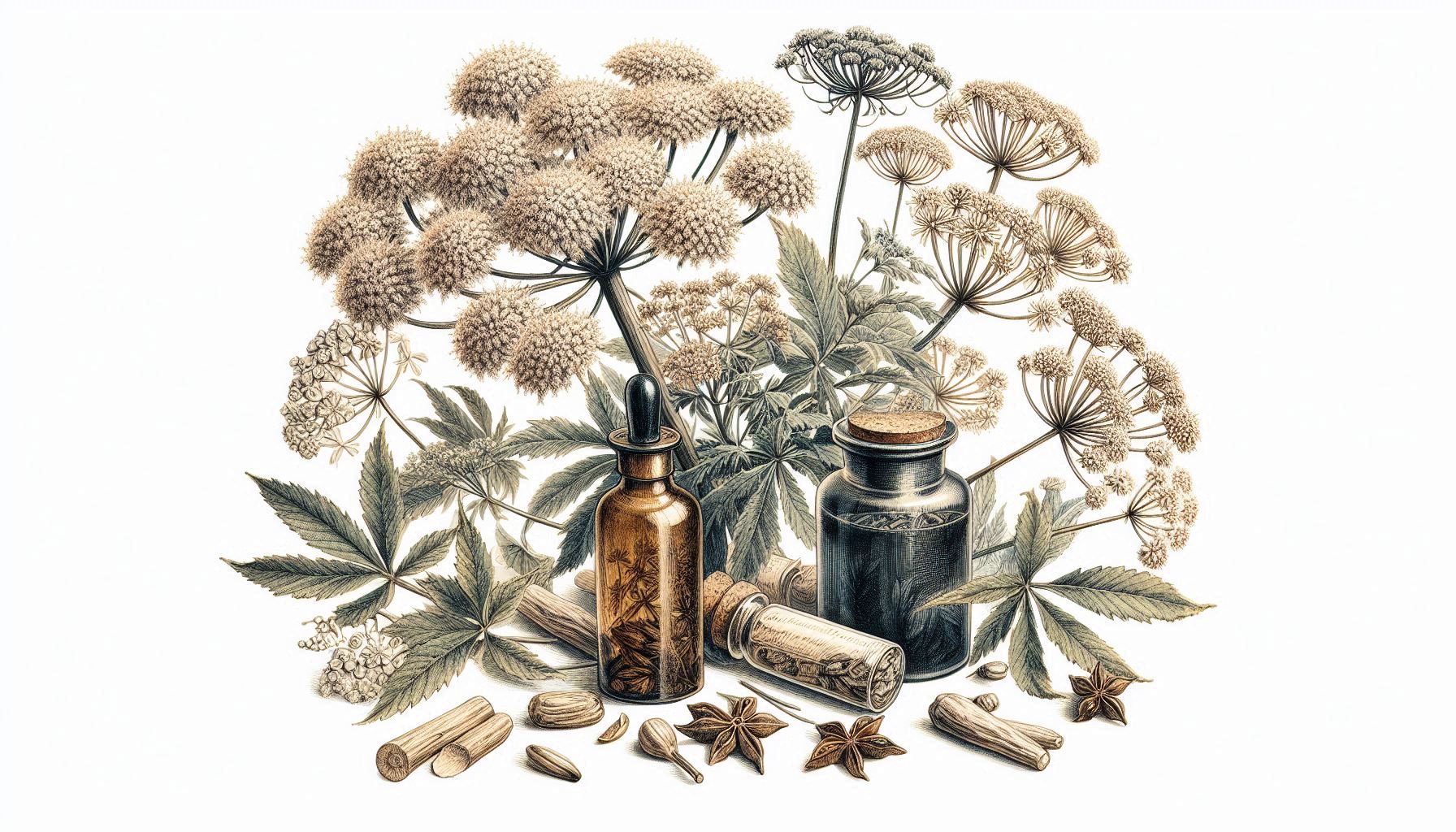
Dong Quai, scientifically known as Angelica polymorpha var. sinensis (commonly Angelica sinensis) and a member of the Umbelliferae (Apiaceae) family, is a revered herb celebrated for its profound ability to restore balance, nourish the blood, and support women’s reproductive health. Known as Tang Quai or Chinese Angelica, this aromatic root has been a cornerstone of Traditional Chinese Medicine (TCM) for over 2,000 years, earning the name “state of return” for its capacity to harmonize bodily functions. Native to the cool, mountainous regions of China, Japan, and Korea, Dong Quai’s root is prized for its blood-tonic, emmenagogue, and sedative properties, used to treat menstrual disorders, circulatory issues, and infections. In this comprehensive article, we’ll explore the multifaceted benefits of Dong Quai, its rich nutritional and bioactive profile, and how to safely incorporate it into your wellness routine.

A Sacred Tonic of Balance and Strength
Dong Quai is a graceful perennial that thrives in high-altitude forests, its feathery green leaves and clusters of white or pink flowers concealing a potent, fragrant root. The name Angelica derives from Latin, meaning “angelic,” reflecting its revered status in healing traditions, while sinensis denotes its Chinese origin. Known as Tang Quai in TCM, it translates to “restore proper order,” symbolizing its role in harmonizing the body’s systems, particularly the blood and reproductive organs. In Chinese folklore, Dong Quai was considered the “empress of herbs,” prescribed for women’s health, blood deficiencies, and post-illness recovery. It was also used by men and women alike to strengthen internal organs, improve circulation, and combat infections.
Dong Quai’s versatility extends beyond medicine—its roots are sometimes used in culinary dishes in Asia, adding a celery-like flavor to soups and broths, while its seeds and leaves appear in traditional recipes. In modern herbalism, Dong Quai is a cornerstone remedy for menstrual irregularities, menopausal symptoms, and immune support, valued for its hormone-regulating, hepato-protective, and antimicrobial effects. Research highlights its potential in reducing inflammation, protecting the liver, and inhibiting cancer cell growth, though caution is advised for certain conditions like breast cancer. Whether simmered into a decoction, taken as a tincture, or chewed raw, Dong Quai embodies a sacred blend of balance, nourishment, and rejuvenation.

Body Systems and Organs Supported by Dong Quai
Dong Quai’s therapeutic reach spans multiple body systems, making it a versatile alterative herb that promotes detoxification, hormonal balance, and systemic vitality. It supports:
- Reproductive: Regulates menstrual cycles, eases labor, and supports fertility.
- Nervous: Calms stress, anxiety, and nervous tension.
- Digestive: Enhances digestion, appetite, and nutrient absorption.
- Circulatory: Nourishes blood, improves circulation, and regulates blood pressure.
- Urinary: Promotes kidney function and fluid balance.
- Immune: Boosts immunity and fights infections.
- Respiratory: Clears congestion and supports lung health.
- Endocrine: Balances hormones, particularly in women.
- Ocular: Supports eye health and vision.
Dong Quai influences key organs, particularly the eyes, while strengthening all internal organs and muscles, with its actions extending to glands, bowels, uterus, and ovaries, making it an ideal remedy for women’s health, circulatory issues, and immune support.

The Bioactive and Medicinal Power of Dong Quai
Dong Quai’s therapeutic potency stems from its rich array of bioactive compounds, including polysaccharides, volatile oils (carvacrol, safrol, isosafrol, cadinene), sesquiterpenes, ferulic acid, folinic acid, succinic acid, angelic acid, myristic acid, coumarins, psoralens, and water-soluble crystals. These compounds contribute to its extensive medicinal actions:
- Emmenagogue: Stimulates and regulates menstrual flow, easing amenorrhea, dysmenorrhea, and irregular periods.
- Blood Tonic: Nourishes and enriches blood, combating anemia and improving circulation.
- Antispasmodic: Relieves cramps and spasms, particularly in the uterus and digestive tract.
- Analgesic: Reduces pain, including menstrual, joint, and headache pain.
- Sedative: Calms the nervous system, alleviating stress and promoting relaxation.
- Anti-anaemic: Supports red blood cell production, addressing blood deficiencies.
- Antiplatelet: Inhibits platelet aggregation, preventing blood clots and supporting heart health.
- Antimicrobial, Antibacterial, Antiviral: Combats infections, including herpes, malaria, and tuberculosis.
- Antioxidant: Neutralizes free radicals, protecting cells from oxidative stress.
- Circulatory Stimulant: Enhances blood flow, reducing poor circulation symptoms like cold extremities.
- Digestive: Stimulates appetite, aids digestion, and promotes nutrient absorption.
- Hypotensive: Lowers blood pressure, supporting cardiovascular health.
- Alterative: Promotes detoxification, cleansing the blood and tissues.
- Hepato-protective: Shields the liver from toxins, alcohol, drugs, and infections.
- Anti-inflammatory: Reduces inflammation, aiding conditions like ulcerative colitis and arthritis.
- Decongestant and Antihistamine: Clears respiratory congestion and relieves asthma and allergies.
- Diuretic: Promotes urine production, reducing fluid retention.
- Immunostimulant: Boosts immune function, enhancing resistance to infections.
- Hormone Regulator: Balances estrogen and other hormones, easing menopausal symptoms.
- Laxative: Gently relieves constipation, supporting bowel regularity.
- Parturient and Post-partum Tonic: Facilitates labor contractions and supports postpartum recovery.
- Uterine Tonic: Strengthens uterine tissues, improving reproductive health.
- Rejuvenative: Enhances overall vitality, particularly in weakened or post-illness states.
These actions make Dong Quai a powerful remedy for women’s reproductive issues, circulatory disorders, infections, and nervous tension, with a warming, nourishing profile that requires cumulative use (typically 2 months) for full effects.

Nutritional Profile
Dong Quai is a nutrient-dense herb, providing:
- Carbohydrates: 40% sucrose, supplying energy for recovery and vitality.
- Vitamins:
- Vitamin A (from beta-carotene): Supports vision, skin, and immune health.
- Vitamin B12: Rare in plants, aids blood formation and nerve health.
- Vitamin E: Protects cells from oxidative damage.
- Minerals:
- Chromium: Supports blood sugar regulation.
- Magnesium: Enhances muscle and nerve function.
- Potassium: Regulates fluid balance and blood pressure.
- Iron: Combats anemia and supports blood health.
- Phosphorus: Aids bone health and energy metabolism.
- Polysaccharides: Boost immune function and support gut health.
Its nutrient-rich profile enhances Dong Quai’s role as a blood tonic, immune stimulant, and rejuvenative herb, particularly for women’s health and post-illness recovery.

Traditional and Modern Applications
Dong Quai has been a cornerstone of Traditional Chinese Medicine, Native American, and modern herbalism, primarily used internally:
Internal Applications
- Women’s Reproductive Health: Dong Quai is a premier women’s tonic, addressing amenorrhea, dysmenorrhea, irregular periods, heavy bleeding, PMS, endometriosis, fertility issues, and menopausal symptoms (hot flashes, mood swings). A decoction (3–4 oz, 3 times daily) or tincture (2–4 mL, 3 times daily, 1:5 in 40% alcohol) supports these conditions. It also aids labor contractions and postpartum recovery as a parturient and tonic.
- Circulatory Health: Its blood tonic, antiplatelet, and hypotensive properties treat heart palpitations, angina, arrhythmias, atrial fibrillation, and poor circulation, enriching blood and reducing blood pressure.
- Immune and Infection Support: Its antimicrobial, antibacterial, and antiviral actions combat infections like herpes, malaria, and tuberculosis, while its immunostimulant properties boost resistance. It also protects against radiation-induced pulmonary fibrosis when combined with Astragalus.
- Liver Protection: Its hepato-protective effects shield the liver from alcohol, drugs, infections, and toxins, supporting detoxification.
- Digestive Health: Its digestive, laxative, and stomachic actions stimulate appetite, relieve constipation, and enhance nutrient absorption, benefiting conditions like ulcerative colitis.
- Nervous System Support: Its sedative and analgesic properties calm stress, anxiety, and nervous tension, while relieving headaches and muscle cramps.
- Respiratory Health: Its decongestant and antihistamine effects clear catarrh, relieve asthma, and support respiratory infections.
- Ocular Health: Supports blurred vision and glaucoma, improving eye health.
- Cancer Inhibition: Inhibits cervical, colon, and brain cancer cells, though contraindicated in breast cancer due to estrogenic effects.
- Critical Illness Recovery: In TCM, infusions nourish critically ill or blood-deficient patients, aiding recovery in weakened states.
External Applications
- Limited external use is documented, but its anti-inflammatory and antimicrobial properties suggest potential in poultices or washes for skin infections or wounds, though this is rare in practice.

Dosage and Preparation
Dong Quai can be prepared as a decoction, tincture, powder, or raw root, with dosages tailored to the condition:
- Decoction: Simmer 3–4 oz root in water, taken 3 times daily for reproductive, circulatory, or immune support. Effects are cumulative, typically noticeable after 2 months.
- Tincture: 2–4 mL (1:5 in 40% alcohol), taken 3 times daily, diluted in water or juice.
- Powder: 0.5–1 tsp daily, mixed with water or food, for blood tonic or digestive benefits.
- Raw Root: Chew small amounts for immediate effects, though less common due to bitterness.
Important: Effects are cumulative, requiring consistent use for 2 months to achieve full benefits. Always consult a healthcare professional for long-term use or specific conditions.

Cautions and Contraindications
Dong Quai requires cautious use due to its blood-thinning, estrogenic, and photosensitizing effects:
- Pregnancy: Avoid, as its emmenagogue and parturient properties may induce contractions or miscarriage, except under professional supervision for labor support.
- Heavy Menstruation: Contraindicated, as it may exacerbate bleeding.
- Chronic Diarrhea: Avoid, as its laxative effects may worsen symptoms.
- Anticoagulants: Do not use with blood-thinning medications (e.g., warfarin), as its antiplatelet properties increase bleeding risk.
- Surgery: Discontinue 2 weeks prior to surgery due to blood-thinning effects.
- Photosensitivity: Excess doses may cause skin sensitivity to sunlight; avoid sunbeds or radiation therapy.
- Breast Cancer: Contraindicated due to estrogenic effects, which may promote cancer growth.
- Overheating or Fast Pulse: Avoid in cases of fever, rapid pulse, or overheating, as its warming properties may exacerbate symptoms.
- Side Effects: Excess doses may cause diarrhea, fever, or photosensitivity; adhere to recommended dosages.
- Drug Interactions: May interact with anticoagulants, hormonal therapies, or sedatives; consult a healthcare provider.
- Allergies: Rare allergic reactions may occur, particularly in those sensitive to Umbelliferae plants (e.g., carrots, celery).

Synergistic Combinations and Substitutions
Dong Quai works best in formulas, pairing well with other herbs to enhance its effects:
- With Rehmannia: Improves COPD symptoms, supporting respiratory health (as in Chinese herbal formulas).
- With Astragalus: Protects against radiation-induced pulmonary fibrosis and promotes blood cell formation, ideal for recovery from illness or radiation therapy.
- With Siberian Ginseng and Chinese Skullcap: Protects against uric acid crystal formation, supporting gout and kidney health (further research needed on combined vs. singular effects).
- With Black Cohosh or Chaste Berry: Enhances hormone regulation for menstrual and menopausal support.
- With Ginger or Licorice: Boosts digestive and anti-inflammatory effects, aiding digestion and ulcerative colitis.
For substitutions:
- California Sierra Angelica (Angelica brewerii): Offers similar blood-moving properties, though less tonic.
- Angelica archangelica: Provides emmenagogue and circulatory benefits but lacks Dong Quai’s sweet, blood-tonic effect.

Cultural and Historical Significance
Dong Quai’s history is deeply rooted in Traditional Chinese Medicine, where it is one of the most prescribed herbs, often called “female ginseng” for its women’s health benefits. In TCM, it is used to “nourish the blood” and “harmonize the spirit,” prescribed for menstrual disorders, postpartum recovery, and critical illness. Ancient Chinese texts, like the Shennong Bencao Jing, praise its ability to strengthen the heart, liver, and spleen. Native American tribes, such as the Cherokee, used related Angelica species for similar purposes, including pain relief and infection treatment. In the 19th century, Western herbalists adopted Dong Quai for gynecological and circulatory issues, integrating it into eclectic medicine. Today, Dong Quai is a staple in women’s health supplements, immune tonics, and liver detox formulas, with research validating its antimicrobial, hepato-protective, and anti-inflammatory properties.

Dong Quai (Angelica polymorpha var. sinensis) is a restorative root that blends ancient wisdom with profound support for women’s health and systemic vitality. From regulating menstrual cycles and nourishing blood to protecting the liver and boosting immunity, this Chinese Angelica offers a holistic path to wellness. Its bioactive compounds, including polysaccharides, ferulic acid, and coumarins, deliver blood-tonic, emmenagogue, and antimicrobial benefits, making it a versatile remedy for reproductive issues, circulatory disorders, and infections.
Whether simmered into a nourishing decoction, taken as a tincture, or chewed raw, Dong Quai invites us to harness its harmonizing energy with mindfulness. Cautious use is essential due to its blood-thinning, estrogenic, and photosensitizing effects, particularly in pregnancy, breast cancer, or with anticoagulants. By incorporating Dong Quai into your routine under the guidance of a healthcare professional, you can unlock its potential to balance, strengthen, and rejuvenate. Let this Tang Quai inspire you to explore the timeless wisdom of herbal medicine, connecting you to a legacy of health and harmony.


Leave a Reply