The world of plants is not just about providing food or medicine; it’s also about a sophisticated chemical dialogue with the environment, including us. Plants use their chemistry to interact with our senses in ways that can be protective, reproductive, or communicative.
Advertisements
1. SIGHT
- Chemical Basis of Color:
- Chlorophyll: Responsible for the green color, vital for photosynthesis.
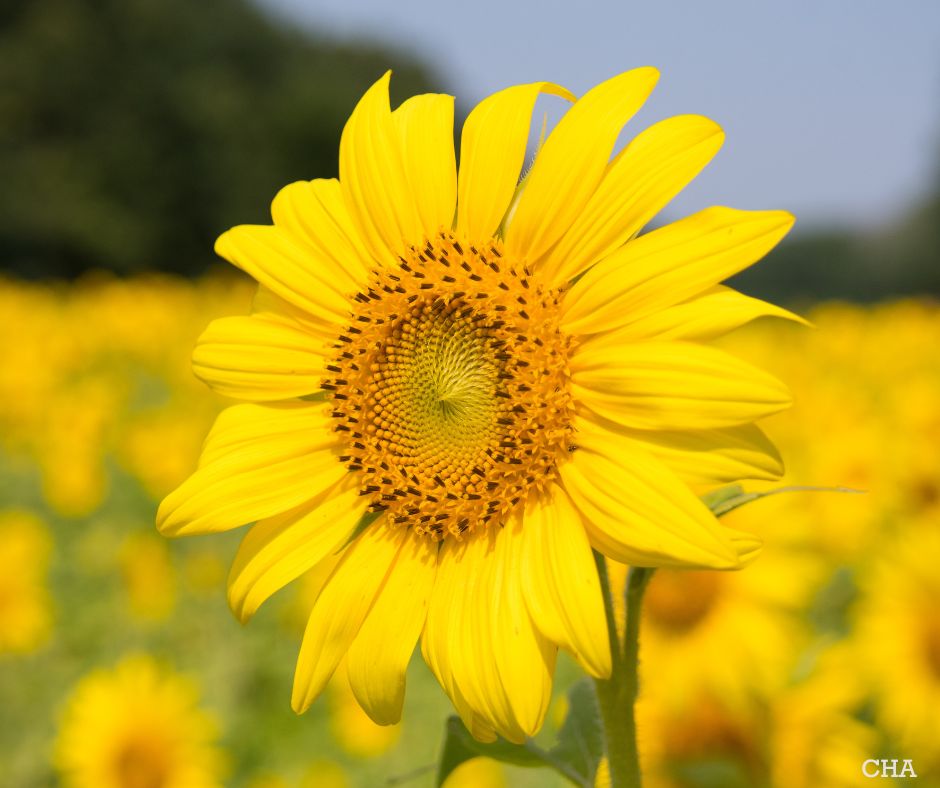
- Carotins: Provide yellow, orange, and red hues in fruits and flowers.
- Anthocyanins: Offer a palette from red to blue, seen in many flowers and fruits.
- Flavenols: Also contribute to yellow colors.
- Light and Perception: Colors are essentially frequencies of light that our brains interpret. Plants, with their photoreceptors, perceive a wider spectrum than we do, but they reflect green light, which is why we see them as green.
Advertisements
2. SCENT
- Aromatic Chemistry: The odors of plants come from essential oils, which are complex mixtures of volatile compounds. These scents:
- Influence Emotions and Consciousness: Essential oils can impact our mood, mental state, and physical health simultaneously.
- Holistic Healing: The term “heterogeneous properties” describes how a plant can heal or alleviate symptoms across physical, emotional, and mental levels.
- Examples of Essential Oils:
- German Chamomile: Known for its wide-ranging benefits from physical conditions like migraines and skin issues to emotional states like irritability and promoting empathy.
- Effects of Essential Oils:
- Physical: Anti-inflammatory, pain relief, antimicrobial.
- Emotional: Mood enhancement, stress relief, fostering forgiveness.
- Mental: Enhancing memory, focus, and creativity.
- Resonance with Body Parts: Different plant parts yield oils that resonate with various body systems, emotions, or cognitive functions.
Advertisements
3. TOUCH
- Protective Mechanisms: Some plants use chemical or physical defenses:
- Stinging or Poisonous: Like nettles with formic acid or cacti with thorns.
- Response to Touch: Plants like Mimosa pudica react by folding leaves when touched, conserving water or deterring herbivores.
Advertisements
4. TASTE
- Chemical Compounds:
- Bitter: Often from compounds like bitter glycosides in dandelion or wormwood.
- Sweet: Due to sugars like fructose in fruits.
- Hot: Capsaicin in peppers or allyl isothiocyanate in horseradish.
- Salty: From minerals in seaweeds.
Advertisements
5. PATTERN
- Attraction and Communication: The patterns, colors, and smells of plants are designed to attract specific pollinators like insects, birds, or mammals, playing a crucial role in their reproductive cycles.
Advertisements
Through the lens of chemistry, plants engage with our senses in a dance of survival, reproduction, and interaction. Understanding this can enhance our appreciation and use of herbs in medicine, where the color, fragrance, texture, and taste are not just sensory experiences but are deeply connected to the plant’s healing potential.
Advertisements


Leave a Reply