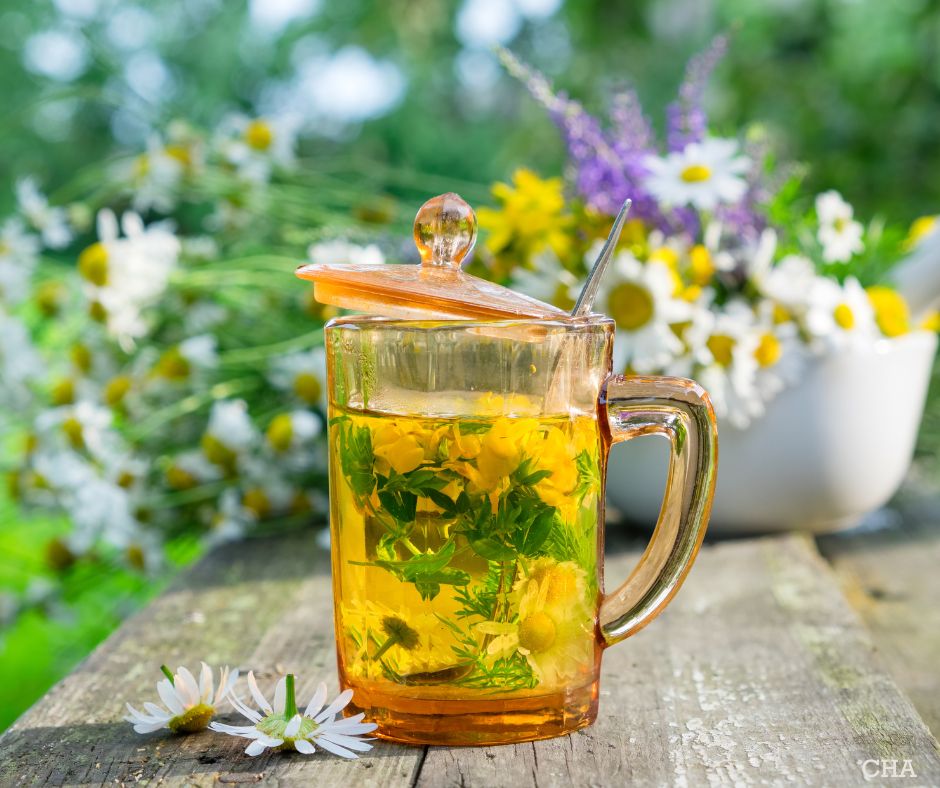
Stress and anxiety are ubiquitous in modern life, affecting mental health, physical well-being, and overall quality of life. While pharmaceutical interventions exist, many are turning to herbal remedies for a more natural approach to managing these conditions. Here, we delve into the science behind three popular herbs known for their stress-relieving properties: Ashwagandha, Lavender, and Chamomile, examining how they work at a biological level to mitigate stress and anxiety.

Ashwagandha (Withania somnifera)
Background: Ashwagandha, often referred to as Indian ginseng or winter cherry, is a cornerstone of Ayurvedic medicine, primarily known for its adaptogenic properties. Adaptogens are substances that help the body adapt to stress by normalizing physiological processes.
Biological Mechanisms:
- Cortisol Modulation: Ashwagandha has been shown to regulate cortisol levels, the primary stress hormone. Studies suggest that it can lower cortisol, particularly in those with chronic stress, which might otherwise lead to symptoms like fatigue, weight gain, and altered immune function.
- Neurotransmitter Activity: Ashwagandha influences GABA (gamma-aminobutyric acid) receptors, which are inhibitory neurotransmitters that calm neural activity in the brain. By enhancing GABA signaling, it can induce a state of relaxation.
- HPA Axis Regulation: The hypothalamic-pituitary-adrenal (HPA) axis is central to the stress response. Ashwagandha appears to modulate this axis, reducing the overactivity that can occur during chronic stress.
- Antioxidant Effects: Its antioxidant properties help combat oxidative stress, which can be exacerbated by chronic psychological stress.
Clinical Evidence: Clinical trials have demonstrated that Ashwagandha can significantly reduce stress and anxiety scores, improve sleep quality, and even enhance cognitive function in stressed individuals.

Lavender (Lavandula angustifolia)
Background: Lavender is renowned for its soothing fragrance, widely used in aromatherapy. Its calming effects are not just anecdotal; they are backed by scientific research.
Biological Mechanisms:
- Limbic System Influence: The scent of lavender directly impacts the limbic system, the brain area involved in emotional responses. It’s thought to increase activity in areas related to relaxation while decreasing activity in areas associated with stress.
- Neurotransmitter Modulation: Lavender oil has been shown to increase serotonin levels, which can elevate mood, and it may also enhance GABA activity, leading to sedative effects.
- Cortisol Reduction: Some studies suggest that inhaling lavender oil can lower cortisol levels, providing a biochemical basis for its stress-relieving effects.
- Sleep Improvement: By promoting relaxation, lavender helps improve sleep quality, which in turn can reduce stress and anxiety symptoms.
Clinical Evidence: Research, including controlled studies, has shown lavender to be effective in reducing anxiety in various settings, from dental offices to pre-operative scenarios.

Chamomile (Matricaria recutita)
Background: Chamomile tea has been a traditional remedy for relaxation for centuries. Its mild sedative qualities make it a favorite for bedtime.
Biological Mechanisms:
- GABAergic Activity: Chamomile contains apigenin, a flavonoid that binds to benzodiazepine receptors in the brain, which are part of the GABA receptor complex. This binding can result in sedative effects similar to benzodiazepine drugs but without the dependency risks.
- Anti-inflammatory Effects: Chronic stress often involves inflammation. Chamomile’s anti-inflammatory properties can help mitigate this, indirectly reducing stress responses.
- Serotonin Upregulation: There’s evidence suggesting chamomile might increase serotonin levels, contributing to mood enhancement.
- Cortisol Modulation: While not as extensively studied as with Ashwagandha, chamomile has shown potential in moderating cortisol responses in some contexts.
Clinical Evidence: Studies have found chamomile to be effective in reducing symptoms of generalized anxiety disorder (GAD) over an extended period when compared with a placebo.
Considerations and Usage
- Safety and Interactions: These herbs are generally considered safe but can interact with medications or have contraindications (e.g., lavender might increase sedative effects of other drugs). Consultation with healthcare providers is advised, especially for those on medication or with existing health conditions.
- Forms of Use: Ashwagandha is commonly taken as a supplement or in powder form; Lavender is used in essential oil, tea, or capsule form; Chamomile is mostly consumed as tea, though extracts and capsules exist.
- Dosage: Effective dosages vary. Clinical studies provide a starting point, but individual responses can differ.
The science behind herbal stress relief is both fascinating and promising. Ashwagandha, Lavender, and Chamomile each offer unique mechanisms to combat stress and anxiety at the biological level, from calming neurotransmitters to regulating stress hormones like cortisol. While they aren’t cure-alls, they can be potent allies in a holistic approach to managing stress, particularly when combined with lifestyle changes like exercise, meditation, and proper nutrition. As with any treatment, understanding the science behind these herbs empowers individuals to make informed decisions about their health.



Leave a Reply