
If you’re fascinated by the natural world’s healing capabilities or seek a more integrated approach to health, the enduring principles of Florence Nightingale offer a profound guide. Known primarily for her contributions during the Crimean War, Nightingale’s “Notes on Nursing” isn’t just a historical document but a living testament to the art and science of holistic care. Here’s an in-depth exploration of how her teachings apply to herbal and holistic health today.
The Breath of Life: Fresh Air as Medicine
Nightingale’s advocacy for fresh air was revolutionary, recognizing it as a fundamental element of health. In the context of herbal medicine, this translates to understanding how air quality affects the efficacy of herbal treatments. For example, herbs like eucalyptus or peppermint are renowned for their respiratory benefits; their healing properties are maximized in environments where air is clean and flowing. Modern interpretations might include using air-purifying plants like spider plants or peace lilies, or employing herbal diffusers to create a therapeutic atmosphere. This not only aligns with Nightingale’s philosophy but also enhances the holistic approach by considering the environment in which healing occurs.
Light: Nature’s Antidepressant and Disinfectant
Nightingale championed the healing power of natural light, understanding its psychological and physiological benefits. Today, this principle can be seen in the use of light therapy alongside herbal treatments for conditions like Seasonal Affective Disorder (SAD). Herbs such as St. John’s Wort, which has been used for centuries to alleviate depression, could be paired with natural light exposure for a synergistic effect. This holistic approach reflects Nightingale’s insight into the importance of light, not just for physical health but for mental well-being as well.
Hygiene and Herbal Cleansing
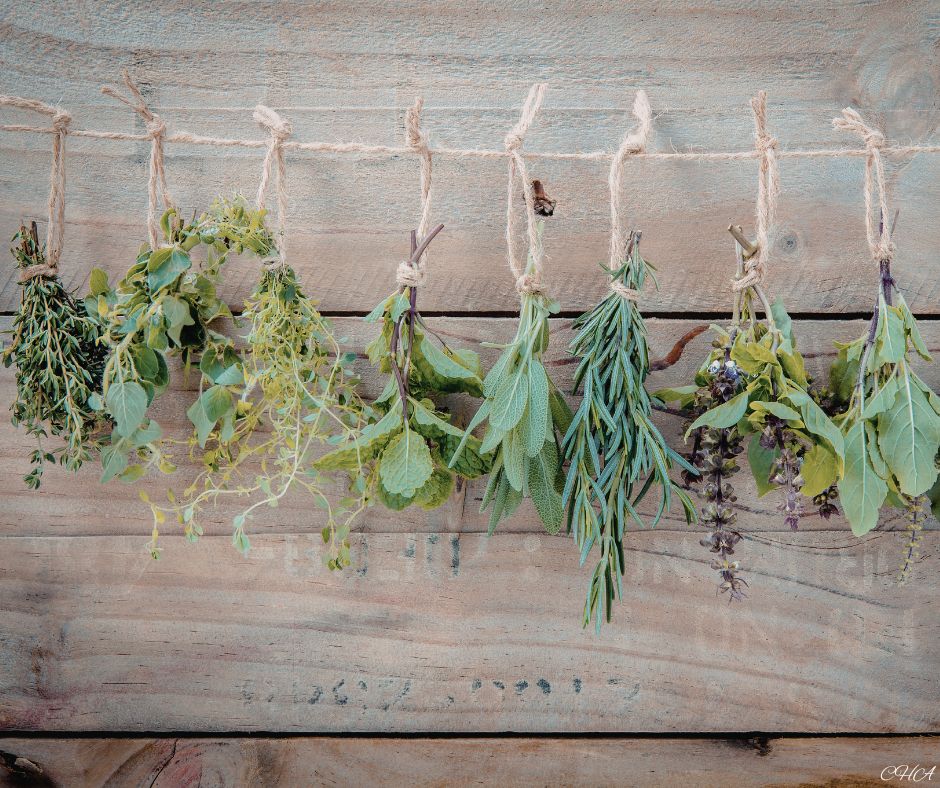
Nightingale’s emphasis on cleanliness was not merely about physical cleanliness but also about purifying the environment for healing. In herbal medicine, this extends to using herbs for both physical and spiritual cleansing. Sage, for instance, is traditionally used in smudging to clear negative energy, paralleling Nightingale’s holistic view of health where the cleanliness of the space impacts the health of the individual. This practice can be complemented by herbs like lavender or tea tree, which have natural antiseptic properties, merging traditional methods with modern holistic health practices.
The Sanctuary of Silence
Noise, as Nightingale observed, can be detrimental to healing. In the context of herbalism, creating a tranquil environment where herbs can work in peace is vital. The calming effects of herbs like chamomile, valerian, or lemon balm are enhanced in a setting free from the cacophony of daily life. This principle encourages the creation of spaces or moments for meditation or quiet reflection, perhaps with herbal teas or aromatherapy, embodying Nightingale’s understanding of the need for peace in the healing process.
Diet as Healing Art
Nightingale recognized that what we eat profoundly affects our health. In herbal medicine, this concept is expanded through the use of culinary herbs to heal and nourish. Herbs like turmeric, known for its anti-inflammatory properties, or garlic, celebrated for boosting immunity, are not just flavors but healers. This approach encourages a diet where food and herbs are seen as medicine, aligning with Nightingale’s view that nutrition could often be more beneficial than conventional medicine alone.
Observational Healing
Nightingale’s meticulous observation of her patients taught her to look beyond symptoms to the person’s entire life. For herbalists, this means deeply understanding how herbs interact with an individual’s lifestyle, emotional state, and environment. This holistic observation guides the selection of herbs like ashwagandha for stress or echinacea for immune support, tailored to the person’s unique health narrative.
Preventative Herbal Care
Her approach to preventing bedsores through proactive care can be paralleled in herbal medicine by using herbs preventatively. Arnica for muscle soreness, calendula for skin healing, or elderberry for viral prevention are all examples of how herbalists can adopt Nightingale’s preventive care philosophy, focusing on maintaining health rather than just treating disease.
Education: Empowering Health Choices
Nightingale was a proponent of education, believing informed care was better care. In the realm of herbal and holistic health, this translates to educating yourself about herbs, their benefits, and safe usage. Workshops, blogs, or community classes on herbs can empower you to make informed health decisions, embodying Nightingale’s educational ethos.
Holistic Health: Treating the Whole Person
Nightingale’s holistic view of health is perhaps her most significant contribution to herbal medicine. She saw health as an interplay of physical, mental, emotional, and environmental factors. This perspective is at the heart of herbalism, where remedies might include herbs like lavender for relaxation or rosemary for cognitive enhancement, not just to treat symptoms but to support overall well-being.
Advocacy for Natural Health
Finally, Nightingale’s advocacy for patients can inspire a modern movement in herbal medicine to advocate for natural, less invasive treatment options. This involves promoting the use of herbs over pharmaceuticals when appropriate, encouraging an informed dialogue around health choices, and supporting a lifestyle that harmonizes with nature’s rhythms.
Florence Nightingale’s principles offer a rich tapestry for those exploring herbal and holistic health. Her teachings remind us that healing is an art that respects the individual, the environment, and the interconnections between all aspects of life. By integrating these timeless insights, we can foster a world where health is seen as a holistic journey rather than a series of isolated interventions.


Leave a Reply