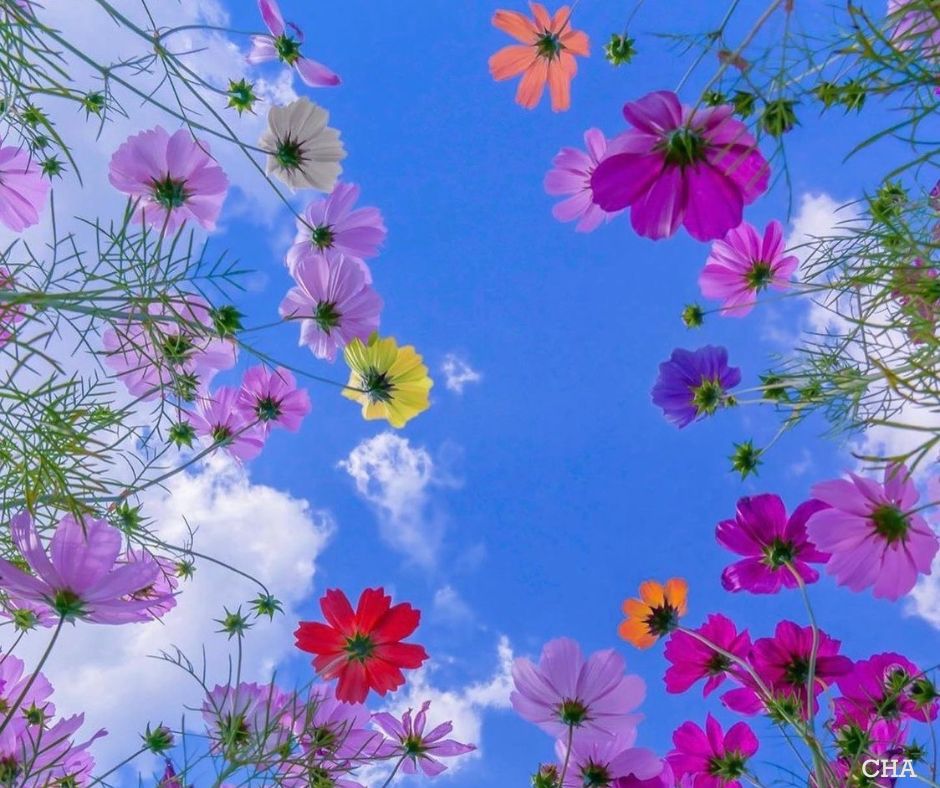
Plants, in their natural environments, have an innate ability to seek out and thrive in conditions that allow them to reach their full potential. This natural selection process is fascinating from both a biological and chemical standpoint.
The Journey of a Seed
- Seed Dispersal: Unlike birds that can choose their habitat, seeds are passive travelers, dispersed by wind, water, or animals. They don’t have the luxury of picking the perfect spot; instead, they land where fate takes them.
- Survival of the Fittest: Only a fraction of these seeds will find themselves in environments where they can germinate and grow. The rest might remain dormant, be eaten, or simply fail to sprout due to unsuitable conditions.
- Ideal Conditions: When a seed lands in soil that matches its needs for minerals, moisture, light, and temperature, it will not only grow but can multiply extensively, creating a thriving community of plants.
Soil Chemistry and Plant Health
- Nutrient Uptake: Plants are selective about what they absorb from the soil. Dr. Edward Shook highlighted that herbs specifically choose elements that support their unique chemical profiles, which are crucial for their survival and medicinal properties.
- Adaptation to Environment: Factors like soil pH, moisture content, elevation, and temperature dictate where certain plants will flourish. For instance, some herbs prefer the acidic soils of mountain slopes, while others thrive in the wet, marshy lowlands.
Human Influence vs. Nature’s Balance
- Agricultural Practices: Modern farming often involves altering soil chemistry with fertilizers, compost, or manure to boost plant growth. Crop rotation is used to maintain soil fertility, mimicking nature’s own way of replenishing the earth.
- Nature’s Ecosystems: However, nature has its own system of soil enrichment through the life cycles of plants, animals, insects, and microbial action. The decomposition of organic matter naturally fertilizes the soil, maintaining a balance that human intervention can sometimes disrupt.
- Ecological Documentaries: Thanks to modern media, we can observe these complex interactions in various ecosystems around the world, showcasing how every species plays a role in maintaining environmental health.
The Role of Herbs in Ecosystems
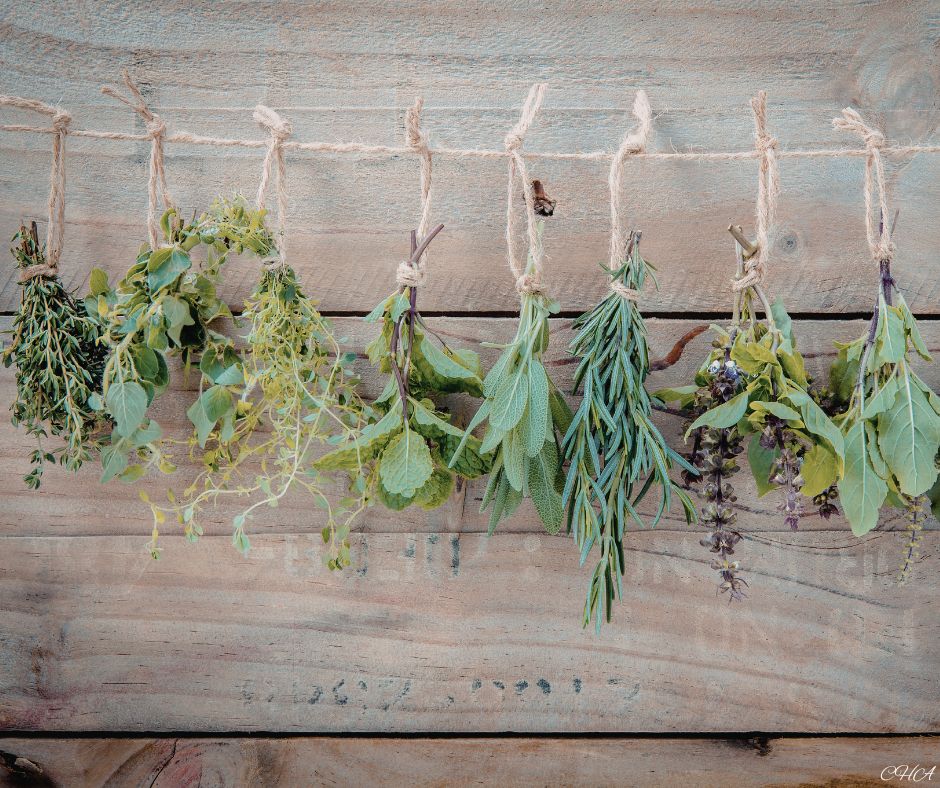
- Herbal Selection: Herbs are not just passive inhabitants of the earth; they actively select their habitat based on the chemical composition of the soil, ensuring they can produce the compounds necessary for their survival and medicinal value.
- Medicinal Potency: The environment in which herbs grow can affect their medicinal properties. For example, herbs grown in harsher conditions might produce more potent secondary compounds as a defense mechanism, which could be beneficial in herbal medicine.
Understanding the chemistry of natural selection in plants teaches us about resilience, adaptation, and the intricate balance of nature. This knowledge is vital, as it informs us about where and how certain herbs might be found at their medicinal best. We celebrate this natural wisdom, encouraging practices that align with these principles, promoting both the health of our patients and the sustainability of our planet. By respecting and learning from nature’s methods, we can better harness the healing power of plants.


Leave a Reply