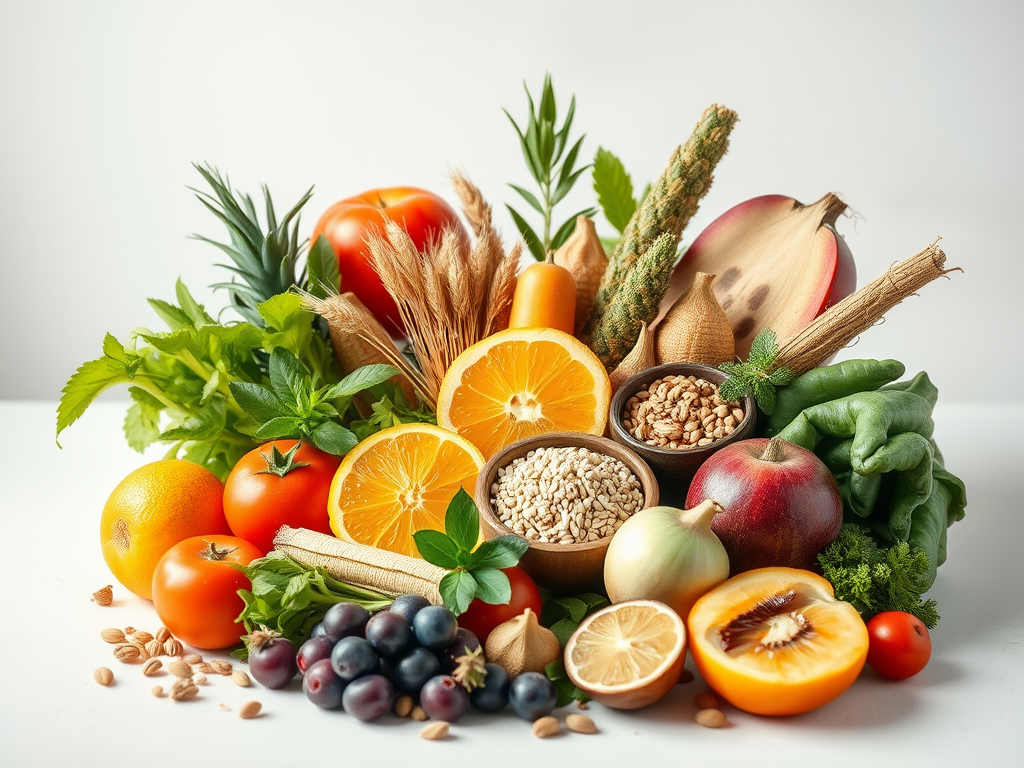
Dr. Raymond Christopher, a pioneer in natural health, emphasized that all natural foods are inherently herbal nutrients. He advocated for a lifestyle where the consumption of wholesome, organic, and naturally sourced fruits, vegetables, grains, nuts, and seeds complements the medicinal use of herbs. This philosophy embodies the true essence of holistic herbal medicine, where diet and herbal treatments work in unison, optimizing healing by aligning with the natural laws of living.
The Philosophy of Holistic Nutrition
- A Diverse Nutritional Landscape: The world of nutrition is filled with various dietary schools of thought, each with its proponents claiming superiority. The key to navigating this diversity is understanding how different dietary components interact with each other and the body as a whole. This approach acknowledges that nutritional needs can vary dramatically from one individual to another and even change for the same person over time due to age, activity, health status, or environmental factors.
- Food: The Dual Nature: Food can act as both medicine and poison. On one end of the spectrum, it can heal, nourish, and prevent disease; on the other, excess or poor choices can lead to health deterioration. The ideal diet seeks a middle ground, providing enjoyment while prioritizing health.
Core Principles of Food as Medicine
To leverage the medicinal qualities of food:
- Eat Moderately: Overconsumption leads to health issues, whereas eating just enough to satisfy hunger supports the body’s natural healing without overtaxing it. This practice encourages mindful eating, where one listens to the body’s true needs.
- Simplicity in Cuisine: Favor simple, natural cooking methods that preserve the integrity and benefits of food. Complex recipes, especially those involving heavy processing or additives, can dilute or destroy the natural medicinal properties of foods.
- Organic and Fresh: Eating organic or growing your own produce ensures you’re not ingesting harmful chemicals while maximizing nutrient uptake. Fresh foods retain their vital nutrients, enzymes, and life force.
- Nutrient Balance: A well-rounded diet includes all necessary vitamins, minerals, and other nutrients. This balance supports bodily functions, prevents deficiencies, and enhances the body’s resilience against disease.
- Periodic Fasting and Cleansing: Intermittent fasting or cleansing can rejuvenate the digestive system, allowing it to rest, repair, and detoxify. This practice can enhance the efficacy of herbal treatments by clearing the body of toxins.
The Real Cost of Dietary Choices
- The Hidden Price Tag: Consider the example of a man in his mid-40s hospitalized after a stroke, a condition potentially linked to years of dietary excess. If he calculated the cost of each indulgent meal in terms of future medical bills, lost productivity, and diminished quality of life, the financial and personal toll would be staggering. Beyond economics, such a lifestyle leads to a loss of vitality, peace, and the joy of living.
- Long-term Health vs. Short-term Pleasure: Indulgence in food can lead to a compromised old age, where instead of reaping the benefits of wisdom and health, one might struggle with disease, mental fog, or physical limitations. This contrast underscores the importance of dietary habits throughout life.
A Holistic Approach to Health
- Personalized Nutrition: Just as herbal prescriptions are tailored to the individual, nutrition should be personalized. What is beneficial for one may not be for another, and dietary needs evolve. This dynamic understanding supports a truly holistic approach to health.
- Synergy Between Diet and Herbs: When diet supports the body’s natural state, herbs can work more effectively. Herbs target specific health issues, but without a supportive nutritional foundation, their healing potential is not fully realized. Together, they can not only manage symptoms but enhance overall vitality and balance.
Nutritional holistic herbal medicine isn’t merely about consuming herbs but about cultivating a lifestyle where food is seen and used as medicine. It’s a journey towards understanding that our daily choices at the dining table are as crucial as the herbs we might take for health. This synergy between diet and herbal medicine fosters a state of comprehensive well-being, where the body is not just maintained but allowed to thrive.


Leave a Reply