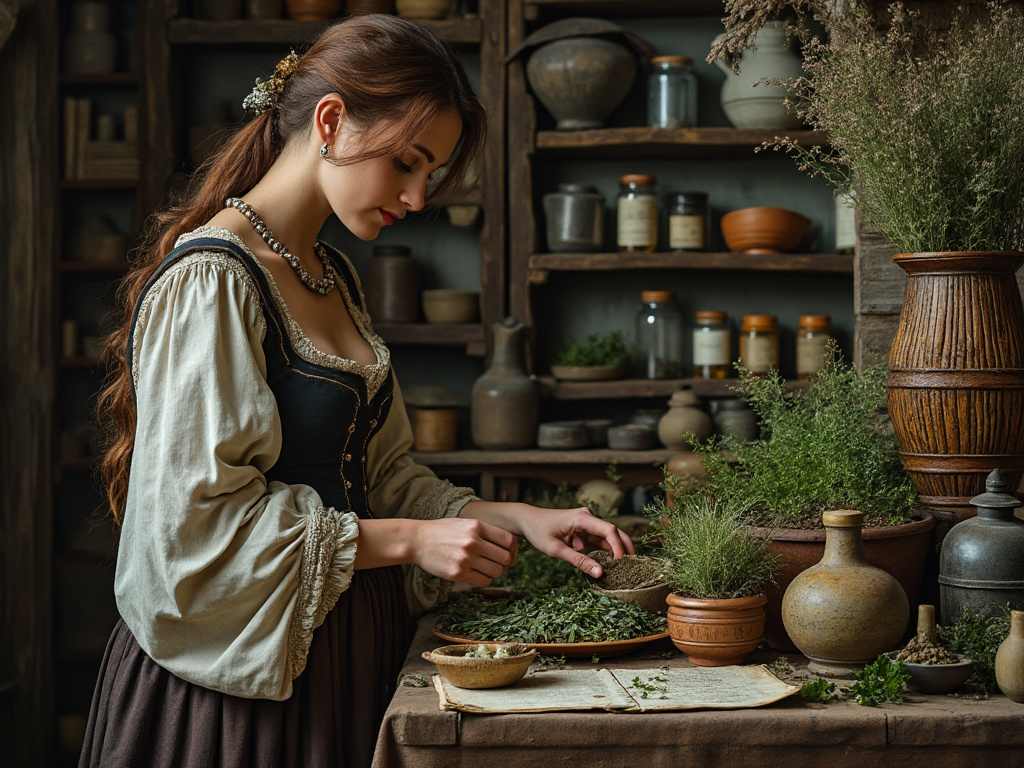
Herbal medicine is not merely a segment of modern alternative health practices; it’s a rich tapestry woven with the threads of thousands of years of human history, culture, and science. To truly appreciate the depth of herbalism, one must delve into both its historical allure and its scientific foundation.
- The Romance of Herbal History: The study of herbs isn’t just about their chemical composition; it’s about their place in human culture. Ancient civilizations from Egypt to China revered herbs not only for their medicinal properties but also for their symbolic and spiritual significance. This romantic history educates us on the holistic approach to health, where healing involves not just the body but also the soul and spirit.
The Fundamental Difference: Organic vs. Inorganic
Understanding the distinction between organic and inorganic substances is pivotal in herbal medicine:
- Organic Substances: These are derived from living organisms. They have life cycles, they grow, reproduce, and decompose. When we talk about herbs, we’re discussing organic compounds that our bodies have evolved with, capable of being absorbed, utilized, and integrated into our biological processes.
- Inorganic Substances: These are not alive; they include minerals, metals, and other geological materials. They do not participate in biological growth or decay. While they can be essential in minute, processed forms (like mineral supplements), their direct use in raw forms can be harmful or incompatible with biological systems.
The Breath of Life: Oxygen and Herbs
- Oxygen’s Role: All life on Earth depends on oxygen, which is predominantly produced by plants through photosynthesis. This process is not just about converting carbon dioxide into oxygen but is a life-affirming cycle where plants and animals support each other’s existence.
- Carbon Dioxide vs. Oxygen: While carbon dioxide is a waste product for us, it’s a building block for plants. This exchange underscores the symbiotic relationship between herbs and human life, where plants provide us with life-sustaining oxygen.
Practical Examples of Organic vs. Inorganic Effects
- Oxalic Acid:
- Inorganic Form: When synthesized with strong acids, oxalic acid becomes highly toxic, capable of causing severe tissue damage.
- Organic Form: In plants like rhubarb or sorrel, oxalic acid exists in a bound form that is harmless and even beneficial, aiding in digestion and blood purification.
- Sulphur:
- Inorganic Sulphur: Used as a topical treatment, it might not integrate well into the human metabolic system, potentially leading to digestive issues and the formation of harmful gases.
- Organic Sulphur: Found in foods like garlic or onions, it’s integral for cellular health, helping to restore sulphur levels in the body naturally.
- Iodine:
- Inorganic Iodine: Can lead to iodism when ingested in its raw form, causing digestive disturbances and potentially systemic toxicity.
- Organic Iodine: Seaweeds like Bladder Wrack provide iodine in a form that’s beneficial for thyroid health and overall metabolic function, without the risks associated with its inorganic counterpart.
The Alchemy of Herbs
Herbs have this unique ability to transform inorganic minerals into organic compounds through natural processes:
- Nutrient Uptake: Herbs absorb minerals from the soil, converting them into a form that our bodies can use. This transformation is akin to alchemy, where the inert becomes vital.
Herbs in Modern Healing
- Bladder Wrack (Fucus Vesiculosus): Utilized for its weight management properties, aiding in the reduction of fatty deposits.
- Irish Moss (Chondrus Crispus): Acts as a demulcent, soothing the digestive tract, and provides vital nutrients directly usable by the body.
The narrative of herbal medicine is one of continuity from ancient practices to modern applications, showing us how herbs, through their organic essence, have always been, and continue to be, integral to health. By exploring both the historical reverence and the scientific benefits of herbs, we gain a comprehensive view of their role in healing, encouraging a deeper respect for these natural gifts of the Earth. This knowledge not only empowers us in our health choices but also enriches our understanding of our symbiotic relationship with nature.


Leave a Reply