In the world of herbal medicine, there’s a fascinating phenomenon where certain herbs mimic the rapid, symptom-relief capabilities of mainstream allopathic treatments. This convergence of traditional herbal lore with modern medicinal expectations highlights the versatility and potency of nature’s pharmacopeia. Here, we delve into how some herbs can work just as effectively as, or sometimes even better than, over-the-counter medications for common ailments:
Digestive Relief
- Angelica, Lemon Balm, and Hops: These herbs are particularly effective in soothing digestive issues. Angelica, with its antispasmodic properties, can relieve cramps by relaxing the smooth muscles in the gut. Lemon balm, known for its calming effect on the nervous system, also aids digestion by reducing gastric discomfort. Hops, often used in brewing, have a bitter quality that stimulates digestive juices, while also offering calming effects much like chamomile but with an added digestive benefit.
- Immediate Effects: When you’re feeling that uneasy churn in your stomach, brewing a tea with these herbs can provide relief almost as quickly as an antacid. The warmth of the tea itself can also help in relaxing the stomach muscles, enhancing the herbs’ effects.
Nausea and Pain Management
- Ginger: A well-known remedy for nausea, ginger works wonders for motion sickness or morning sickness. Its active compounds, gingerols, directly affect the stomach and intestines, helping to neutralize stomach acids and promote gut motility.
- Comparison: Just like drinking ginger ale (which often contains real ginger), the relief is almost immediate, much like how pharmaceutical anti-emetics work by targeting the nausea center in the brain.
- Medical Cannabis and CBD: These are perhaps the most striking examples where herbs cross into the territory of modern pharmaceuticals. Cannabinoids like THC and CBD not only alleviate nausea but are also potent analgesics. For conditions where traditional painkillers might fail, like neuropathic pain, CBD can offer relief without the psychoactive effects of THC, providing a natural alternative.
Anxiety and Sleep Aids
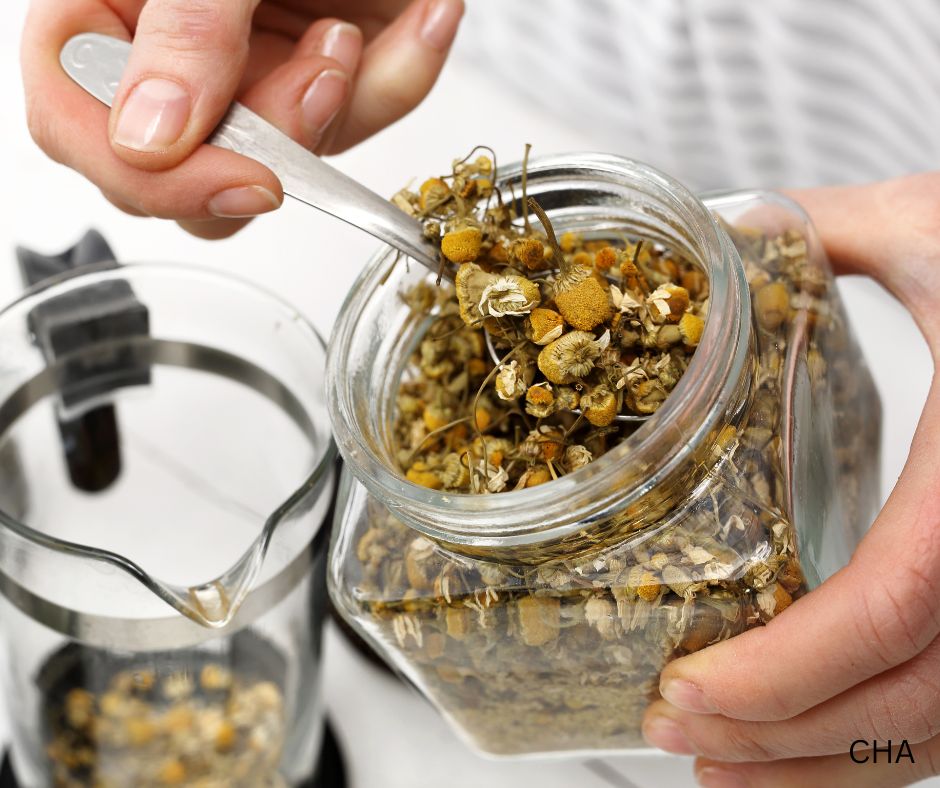
- Chamomile and Valerian Root: Chamomile tea is a go-to for many when seeking relaxation. Its mild sedative effects come from apigenin, an antioxidant that binds to benzodiazepine receptors in the brain, similar to how sedatives work but with a gentler profile.
- Immediate Calm: Drinking chamomile tea can lead to a noticeable decrease in anxiety within minutes, providing a natural method to calm the mind.
- Valerian Root: Often dubbed nature’s tranquilizer, valerian has been used for centuries to treat insomnia. Unlike synthetic sleep aids, it doesn’t lead to a groggy morning after. It increases GABA levels in the brain, which slows down nerve activity, promoting sleep.
Topical Treatments
- Aloe Vera: For burns and skin irritations, aloe vera stands out. Its gel contains compounds like aloin and aloe-emodin, which are anti-inflammatory and antimicrobial, helping to soothe and heal the skin much like over-the-counter burn treatments.
- Pine and Plantain: Pine extracts have been traditionally used for their antiseptic properties, useful for treating minor wounds. Plantain, another herb, is fantastic for bug bites or stings due to its soothing and anti-inflammatory effects.
The synergy between herbal remedies and mainstream medicine isn’t just folklore; it’s backed by centuries of empirical evidence and increasingly, modern science. While herbs like these offer rapid relief, they also often come with fewer side effects compared to their pharmaceutical counterparts. This doesn’t mean herbs are always the substitute for allopathic medicine; rather, they provide a complementary approach, offering immediate benefits for common ailments with the added advantage of natural sourcing.
When using herbs for medicinal purposes, however, it’s crucial to remember:
- Dosage and Preparation: Proper dosage and preparation can affect efficacy and safety.
- Consultation: Always consider consulting with a healthcare provider, especially for ongoing or serious health issues.
- Quality: Source your herbs from reputable suppliers to ensure potency and purity.
Harnessing the power of herbs, we can often find immediate relief from everyday ailments, showcasing nature’s own pharmacy at work.




Leave a Reply