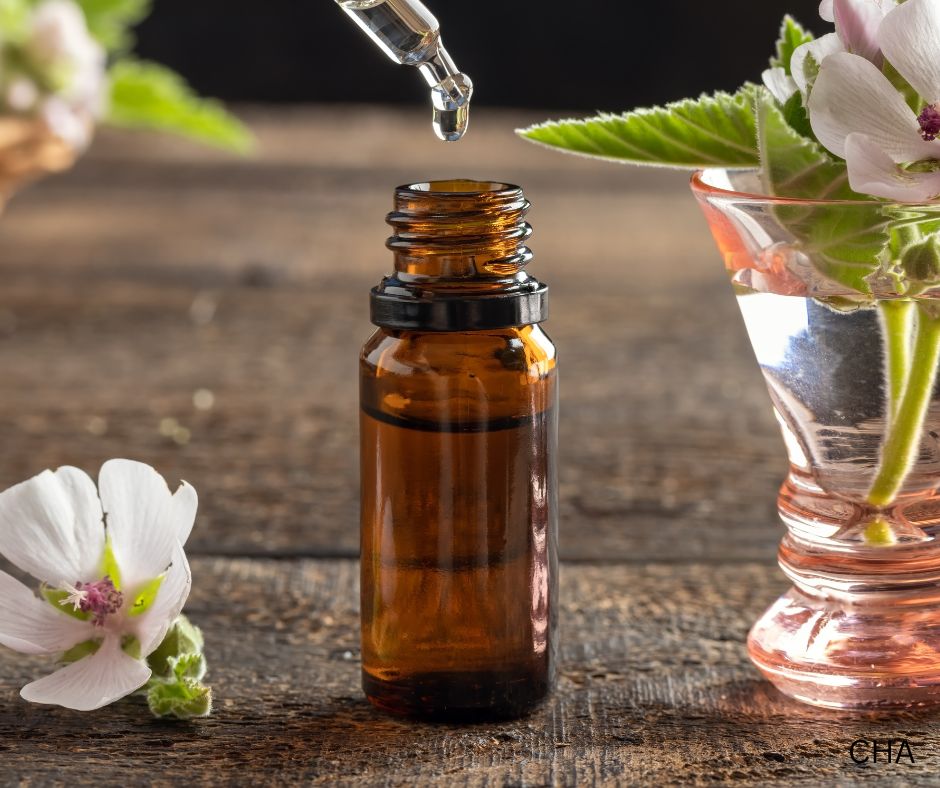
Homeopathy is an intriguing branch of alternative medicine where the principle of ‘like cures like’ is central. Here’s a simple breakdown of how herbalists might apply homeopathic principles:
What is Homeopathy?
Homeopathy operates on the idea that substances causing symptoms in healthy people can, in minute doses, treat similar symptoms in the sick. This concept might sound counterintuitive, but it’s fascinating and has been part of herbal medicine for centuries.
How Does It Work with Herbs?
- Dilution and Potentization: Homeopathic remedies are made by diluting an active ingredient, often a herb, in water or alcohol. This mixture is then vigorously shaken (succussed), which homeopaths believe transfers the healing essence of the herb into the solution. After several dilutions, you might end up with a preparation where the original substance is almost undetectable, but its “essence” or “spirit” remains.
- Choosing the Right Herb:
- Principle of Similars: Herbs are selected because in large quantities they might produce the same symptoms they’re meant to cure. For example:
- Foxglove (Digitalis purpurea): In its raw form, foxglove can cause heart issues. However, in homeopathy, highly diluted foxglove has been used to treat heart conditions. This is because it’s believed that these small doses can stimulate the body’s own healing response without the risk of toxicity.
- Principle of Similars: Herbs are selected because in large quantities they might produce the same symptoms they’re meant to cure. For example:
Real-Life Applications
- Immediate Effects: Some herbalists report experiencing immediate benefits from homeopathic remedies. For example, if someone suffers from hay fever, they might use a homeopathic preparation of ragweed (which can cause similar symptoms in high doses) to alleviate their symptoms.
- Safety and Considerations:
- For Beginners: It’s crucial to approach homeopathy with caution. While these remedies are often safe due to their dilution, understanding proper dosages and knowing when to seek professional advice is key.
- Professional Guidance: Given the subtleties of homeopathy, consulting with a qualified homeopath or herbalist can help ensure you’re using these remedies correctly.
Exploring the ‘Mystery’ of Herbs
- The Essence of Plants: The concept of ‘essence’ or ‘spirit’ in homeopathy might seem mystical, but it’s part of what makes this practice unique. Flower essences, for example, are not about the physical properties but capturing the vibrational energy or ‘spirit’ of the plant, which is believed to influence emotional or psychological states.
- Success Stories: Many herbalists and users of homeopathy share stories of surprising successes, where symptoms were alleviated in ways conventional medicine couldn’t explain. This isn’t to say it works for everyone or every condition, but for some, it’s been life-changing.
Homeopathy with herbs can be an enchanting journey into understanding how minute quantities can influence health. While the effectiveness might vary from person to person, the beauty of homeopathy lies in its gentle approach, aiming to nudge the body towards healing itself. For those intrigued by natural remedies, exploring this path with respect, caution, and perhaps under the guidance of experienced practitioners can lead to fascinating insights into health and wellness. Remember, the world of herbs is vast, and each plant has its own story and secrets to share.



Leave a Reply