
Imagine transforming your daily meals into a source of healing and health preservation. That’s the essence of viewing herbs as functional foods, where “food as medicine” isn’t just a concept but a lifestyle. Here’s how you can integrate herbs into your daily life for ongoing health benefits:
Herbs in Our Kitchen: Beyond Flavor
- Garlic: Long celebrated for its immune-boosting properties. Regular consumption can help in fighting off colds, reducing blood pressure, and enhancing cardiovascular health.
- Ginger: Known for its ability to soothe digestive issues and reduce inflammation. Starting your day with ginger tea or adding fresh ginger to your meals can keep your digestive system in check.
- Turmeric: With its star component, curcumin, turmeric is a powerhouse for reducing inflammation, improving brain function, and potentially preventing chronic diseases when ingested daily.
Daily Integration for Holistic Health
- Immune Health: By incorporating herbs like echinacea or elderberry into your diet, not just as teas but in soups, stews, or smoothies, you can bolster your immune system.
- Respiratory Health: Thyme or mullein, often used in essential oil form, can also be added to your diet through herbal teas or as part of a respiratory-friendly culinary dish.
- Cardiovascular Health: Beyond garlic, herbs like cayenne pepper can stimulate circulation, and hawthorn berry can be consumed in jams or syrups for heart health.
- Brain Health: Rosemary isn’t just for flavoring; it’s been linked to improved memory and concentration. Use it liberally in your cooking.
The Importance of Consistency
Just like vitamins, the benefits of herbs are often realized through consistent use over time:
- Milk Thistle: Known for liver support, milk thistle should be thought of as a staple rather than a supplement taken sporadically. Incorporate it into your diet by using milk thistle seeds in your bread baking or smoothies.
- Dandelion: Often considered a weed, dandelion leaves can be added to salads or cooked like spinach, offering liver detox benefits over time.
Herbs vs. Conventional Medicine
While some herbs can provide immediate relief (like peppermint for nausea), the strength of herbal medicine lies in its sustained, holistic approach:
- Gradual Benefits: Unlike many pharmaceuticals, the health advantages from herbs often accumulate with daily consumption. This gradual enhancement supports the body’s natural healing processes.
- One-Time Wonders: Not all herbs require long-term use. Some, like valerian root for sleep or chamomile for relaxation, can offer significant relief even in single doses.
Incorporating Herbs into Your Lifestyle
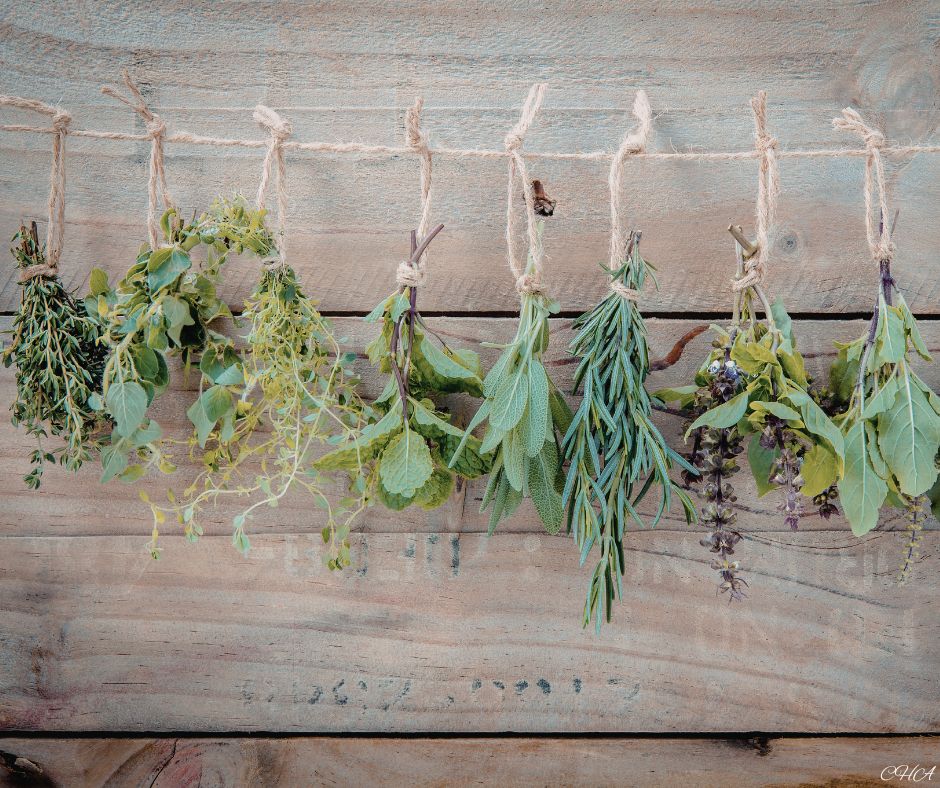
- Cooking with Herbs: Make herbs the stars of your meals. Not only do they add flavour without the need for excess salt or sugar, but they also bring health benefits to the table.
- Herbal Teas: An easy and enjoyable way to consume herbs daily. Whether it’s lemon balm for stress relief or nettle for allergy support, tea can be a comforting health ritual.
- Gardening: Growing your own herbs ensures freshness and can be a therapeutic activity in itself, connecting you more deeply with your food source.
By viewing herbs as functional foods, you’re not just enhancing flavor; you’re weaving health into every aspect of your life. Remember, the key is regularity and integration into your diet for these natural remedies to unfold their full potential. Embrace this ancient wisdom, and let your kitchen become your pharmacy, where food indeed becomes your medicine.


Leave a Reply