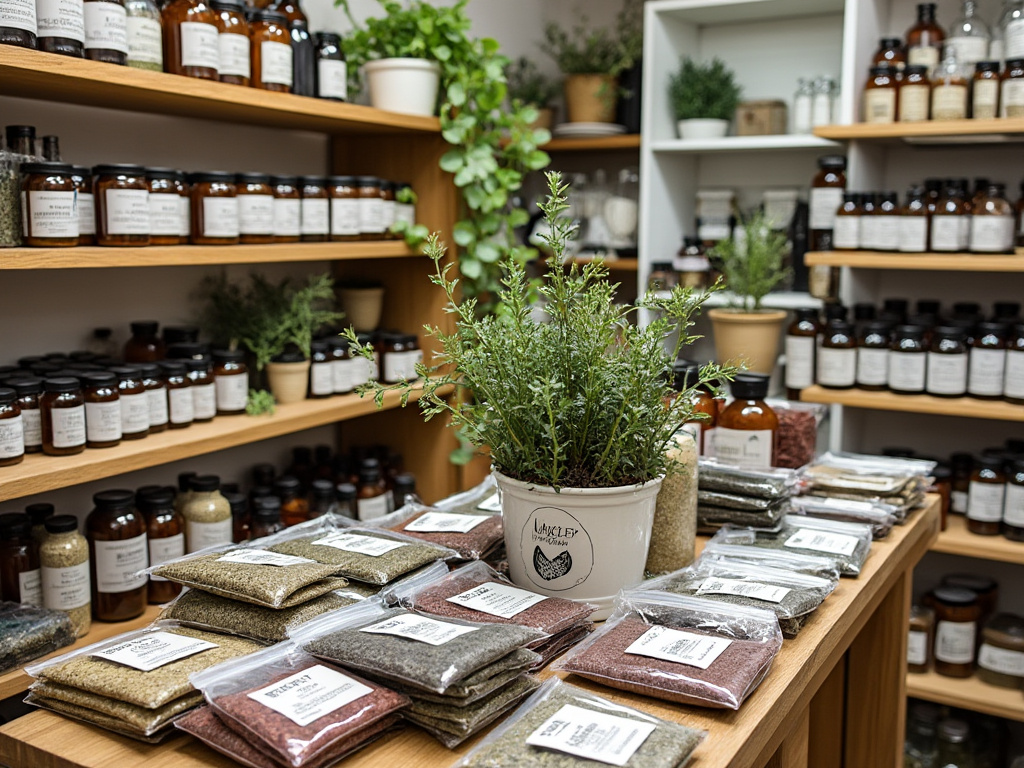
When delving into the realm of herbal medicine, understanding what to look for when purchasing can significantly enhance the efficacy & safety of your treatments. Here’s a detailed guide on what to look for when buying herbal medicines:
Where to Buy
- Herbal Stores: Opt for a reputable herb store where staff have a deep knowledge of herbal medicines. Such places often provide personalized advice based on your health needs.
- Online Purchases:
- Stick to established suppliers who specialize in herbs. They tend to have quality control measures in place.
- Organic Preference: Choose organic products when possible to avoid pesticides and other chemicals.
Advertisements
Buying Dried Herbs
- Quality Check:
- Examine Before Buying: If possible, buy from a physical store where you can inspect the herbs. Look for vibrant colour &strong aroma, which indicate freshness.
- Online Considerations: While buying online, look for suppliers with high turnover rates for fresher stock.
- Storage and Age:
- Herbs should be stored in opaque or dark glass containers to prevent oxidation which diminishes their medicinal properties. Avoid clear jars exposed to direct sunlight.
- Signs of Quality:
- Aromatic herbs should have a potent scent and taste. If they smell or taste bland, they might be old or of poor quality.
- Check for any signs of poor drying like mold or pests, or adulteration with non-herbal material like dried grass.
Advertisements
Herbal Products: Capsules, Tablets, Essential Oils, Pessaries, and Tinctures
- Label Details: Before purchasing, ensure the label includes:
- Full Ingredient List: Every constituent should be named. This transparency helps avoid allergic reactions or interactions with other medications.
- Dosage Recommendations: Clear instructions on how much to take are crucial for safe use.
- Product Weight/Volume: Knowing the weight of each capsule or tablet, or the volume of liquid ensures you’re getting what you pay for.
- Herb-to-Preparation Ratio: For tinctures, this ratio (e.g., 1:3) tells you the concentration of the herb in the solution.
- Certifications: Look for certifications like organic, GMP (Good Manufacturing Practices), or from recognized herbalist associations which indicate a commitment to quality.
Advertisements
Additional Tips
- Do Your Research: Before settling on a supplier, compare products online, read reviews, & possibly consult with herbalists or health forums for recommendations.
- Freshness Matters: Like with any perishable good, the fresher the herb, the better its medicinal qualities. If buying dried, ask about the harvest date.
- Sustainability: Consider the sustainability of herb sourcing. Ethical suppliers will often mention their commitment to environmental stewardship.
By keeping these guidelines in mind, you not only ensure that you’re getting the most out of your herbal medicine but also support businesses that care about quality & sustainability. Remember, in herbal medicine, the devil is in the details, & being an informed consumer is your best defense against ineffective or unsafe products.

Advertisements


Leave a Reply