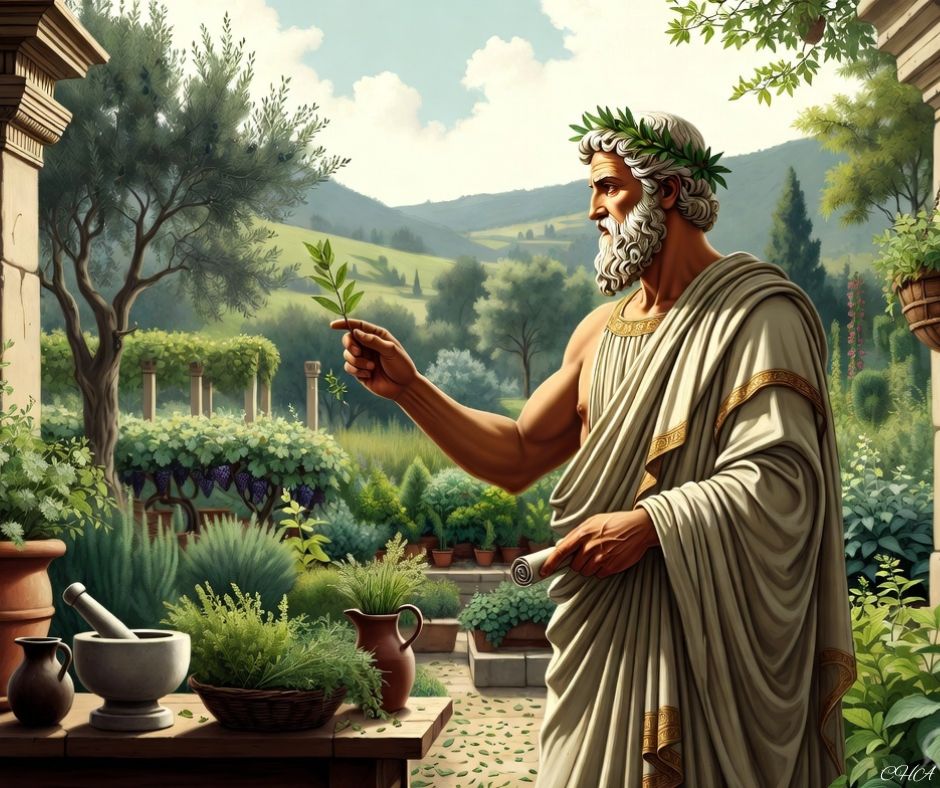
Imagine stepping out of your off-grid cabin at first light, the dew still clinging to the leaves of plants you’ve nurtured from seed. Your hands reach for a handful of fresh greenery — not from a store shelf, but from the very soil beneath your feet. You use it to tend a scratch on your child’s knee, soothe a horse’s swollen leg, or ease the cough spreading through your flock of chickens. This scene feels timeless, almost radical in our modern world of quick fixes. Yet it’s exactly how countless families lived for centuries on this continent. It’s the living legacy of Western herbalism in America — a story that stretches from ancient Greek healers like Hippocrates all the way to the hardy settlers pushing into the frontier.
Today, as more of us choose grow-your-own self-reliance, this history isn’t just fascinating. It’s deeply practical. It reminds us that true resilience comes from understanding the plants around us and learning to blend traditions wisely. Let’s walk through that journey together and see how it can inspire your own homestead today.

The Ancient Roots: Hippocrates and the Foundations of Western Herbal Wisdom
Long before ships crossed the Atlantic, the foundations of what we now call Western herbalism were being laid in ancient Greece. Hippocrates, often called the father of medicine, lived around 460–370 BC. He taught that the body has a natural ability to heal itself when supported by diet, lifestyle, and the plants growing in one’s local environment.
He emphasized observation, balance, and working with nature rather than against it — ideas that still guide many of us who garden medicinally on our own land. Hippocratic practitioners documented the use of common plants for everyday ailments, always stressing that healing should be gentle and rooted in the land itself.
This tradition traveled through Europe over the centuries, carried by healers, monks, and village wise women who tended kitchen gardens filled with reliable Old World plants. When European settlers boarded ships for the New World in the 1600s and 1700s, they carried more than tools and livestock. They packed seeds and cuttings of cherished herbs they knew could support their families through uncertain times: yarrow for wounds, calendula for skin, chamomile for calming digestion and nerves, and others that had served their ancestors for generations.
These weren’t luxury items. In an era without pharmacies or quick supply runs, a well-tended herb patch was essential insurance for survival.

Crossing the Ocean: Old World Herbs Meet the American Landscape
Life on the early colonial settlements was harsh. Disease, injuries, harsh weather, and the sheer distance from European supplies meant settlers had to become resourceful fast. Their familiar Old World herbs helped, but many struggled in the new climate and soils. That’s when the real blending began.
European arrivals quickly noticed that Native American tribes had deep, sophisticated knowledge of the local flora. Indigenous peoples had lived in relationship with these lands for thousands of years, developing intimate understanding of native plants for healing wounds, supporting immunity, easing pain, and maintaining daily wellness — for both people and animals.
Settlers, drawing on their own herbal background, were open to learning. They saw familiar patterns: a plant that looked or acted like one from home often had parallel uses. Over time, a beautiful exchange emerged. Old World plants like plantain, mullein, and horehound naturalized in American soil and became everyday allies. At the same time, settlers began incorporating New World treasures such as echinacea from the prairies, willow from stream banks, and black cohosh from Appalachian forests.
This wasn’t always smooth or equal, but the practical reality of frontier life demanded it. When a child had a fever, a horse went lame, or winter colds swept through a cabin, families turned to whatever grew nearby — blending the knowledge they brought with the wisdom shared by their Indigenous neighbors.
By the time settlers pushed westward in the 18th and 19th centuries, this blended Western herbalism had become a distinctly American tradition: resourceful, land-based, and deeply tied to self-reliance.

Why This Blended Tradition Still Matters for Modern Homesteaders
Understanding this history isn’t just academic. It gives us powerful reasons to keep these traditions alive on our own land:
- Local resilience — Plants adapted to your specific climate and soil often perform better with less work. Growing a mix of Old World standbys and native species creates a hardy, low-maintenance medicine garden that can weather drought, cold snaps, or supply chain disruptions.
- Multi-species support — Many of these herbs have historically served both humans and animals. The same patch that yields leaves for your family can provide support for poultry immune health, horse wound care, or goat digestion — all from one small, intentional bed.
- Self-reliance mindset — When you grow your own, you reduce dependence on external systems. You learn to observe your land, read the seasons, and respond with what’s available. That knowledge builds confidence for off-grid living.
This blended approach also honors sustainability. By focusing on plants you can propagate yourself — through seeds, divisions, or careful wild encouragement on your property — you create a closed-loop system that gives back to the soil and wildlife.

Growing and Integrating These Traditions on Your Homestead
You don’t need vast acreage or fancy equipment to reconnect with this legacy. Start small and let your land guide you.
Choose a sunny spot near your main living or animal areas so harvesting becomes part of daily routines. Many Western and native herbs thrive with minimal fuss once established — they appreciate well-drained soil, companion planting, and respect for their natural growth habits.
Think in guilds or simple beds that serve multiple purposes: a border of hardy perennials that supports pollinators while providing medicine for your family and livestock. Rotate and observe which plants spread happily in your climate. Over time, you’ll develop intuition about what thrives where, creating a living pharmacy that requires less input each year.
The real magic happens in integration. Walk your property with curious eyes. Notice which “weeds” or edge plants echo the old blended traditions. Encourage natives where they belong and gently naturalize reliable Old World allies. This high-level approach turns gardening into a relationship rather than a chore — one that deepens your connection to the land and its healing gifts.

How This Fits Your Homestead
On a real off-grid or grow-your-own homestead, this history comes full circle. When the nearest vet or store is hours away, or when you simply want to handle minor issues at home, that blended knowledge becomes your quiet superpower.
You might step outside to gather a few leaves for a poultice on a dog’s paw or add fresh greenery to the goats’ browse. Your animals benefit from the same resilient plants that support your family. Over seasons, you build a system where the garden feeds the soil, the soil feeds the plants, and the plants support every living being on your land.
It’s not about rejecting modern help when truly needed. It’s about reclaiming the practical wisdom that kept families thriving through harsh winters, long journeys, and uncertain times. Western herbalism in America was born from exactly that spirit — and it’s waiting to be revived in backyards and homesteads today.

The story from Hippocrates to the frontier isn’t ancient history — it’s a living invitation. By growing even a small selection of these time-tested Western and native plants, you join a long line of resilient people who chose to work with the land instead of depending on distant systems.
You become part of the blend yourself: honoring old roots while adapting to your unique piece of earth. That’s powerful medicine for body, spirit, and homestead.
Ready to dive deeper into the how of growing, harvesting, and using these plants safely and effectively for your family and animals? Our in-depth recipes and formulas in the shop are designed exactly for homesteaders like you — practical, detailed guidance drawn from these same traditions.
What plants from this blended heritage are already growing on your land, or which ones are you most excited to try? Drop it in the comments — we love hearing your stories and learning from each other’s gardens.
This article is for educational and inspirational purposes. Always consult your veterinarian for animal health concerns.



Leave a Reply