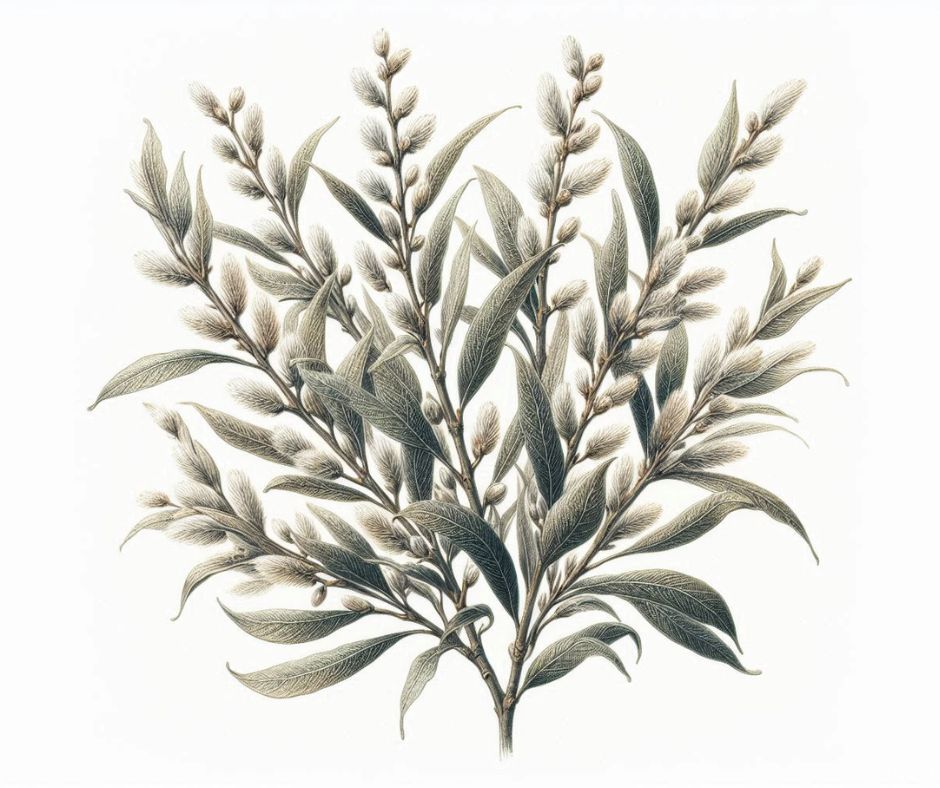
White Willow, scientifically known as Salix alba and a member of the Salicaceae family, is a revered herb celebrated for its profound ability to alleviate pain, reduce inflammation, and support digestive and nervous system health. Known by evocative common names such as Cricket Bat Willow, Golden Willow, and Huntingdon Willow, this graceful tree, with its silvery leaves and flexible branches, is prized for its bark, rich in salicin, tannins, and flavonoids. Offering analgesic, anti-inflammatory, and febrifuge properties, White Willow has been used for centuries by ancient Egyptians, Native Americans, and modern herbalists to treat fevers, arthritis, and headaches. As the original source of aspirin, its legacy is deeply rooted in pain relief. In this comprehensive article, we’ll explore the multifaceted benefits of White Willow, its bioactive and nutritional profile, and how to safely incorporate it into your wellness routine, with critical cautions regarding salicylate allergies, bleeding disorders, and risks in children with flu-like symptoms.

A Graceful Tree of Comfort and Restoration
White Willow is a statuesque, deciduous tree native to Europe, Asia, and North America, its drooping branches and golden bark lining riverbanks and wetlands. Its common names reflect its utility and beauty: Cricket Bat Willow nods to its strong, pliable wood, while Golden Willow evokes its shimmering foliage. Ancient Egyptians used willow bark for pain and inflammation, as recorded in the Ebers Papyrus (circa 1550 BCE), and Hippocrates prescribed it for fevers. Native American tribes, such as the Cherokee, chewed the bark for headaches and applied it to wounds, while colonial herbalists used it for “ague” (malaria). By the 19th century, eclectic physicians like Harvey Wickes Felter lauded it as an “anodyne and febrifuge,” and its salicin inspired the development of aspirin in 1899, cementing its reputation as a natural painkiller.
White Willow’s medicinal legacy centers on its ability to relieve pain, lower fevers, and tone tissues, making it a go-to remedy for conditions from rheumatism to dyspepsia. Its versatility extends to external applications, where it heals sores and soothes inflamed eyes. Today, White Willow is valued for its antiseptic, astringent, and diuretic properties, offering relief from menstrual cramps, heartburn, and autoimmune symptoms. Modern research validates its salicin-driven anti-inflammatory effects, akin to aspirin but gentler on the stomach. However, its salicylate content requires caution in those with allergies or bleeding disorders, and its theoretical risk of Reye’s syndrome in children with flu or chickenpox limits pediatric use. When taken as a decoction, powder, or wash, White Willow embodies a graceful blend of comfort, purification, and vitality, inviting us to harness its riverine wisdom for musculoskeletal, digestive, and nervous system wellness.

Body Systems and Organs Supported by White Willow
White Willow’s therapeutic reach spans multiple body systems, making it a holistic ally for digestive, nervous, musculoskeletal, circulatory, and reproductive health. It supports:
- Digestive: Soothes heartburn, dyspepsia, and weak digestion, protecting the gut lining.
- Nervous: Relieves headaches, neuralgia, and nervous system pain, promoting calm.
- Musculoskeletal: Reduces inflammation and pain in joints and muscles, aiding arthritis and gout.
- Circulatory: Supports heart health and purifies blood, enhancing systemic vitality.
- Reproductive: Eases heavy menstrual periods and uterine discomfort.
White Willow influences key organs, including the muscles, digestive tract, uterus, and heart, while its actions target skin, muscles, joints, stomach, nerves, gums, and eyes, making it an ideal remedy for fevers, rheumatism, and wounds.

The Bioactive and Medicinal Power of White Willow
White Willow’s therapeutic potency stems from its rich array of bioactive compounds, including:
- Salicylic Glycosides (Salicin, Salicortine, Fragilin): Metabolized into salicylic acid, providing analgesic, anti-inflammatory, and febrifuge effects, similar to aspirin.
- Tannins (13%): Offer astringent and antiseptic properties, tightening tissues and preventing infection.
- Polyphenols and Flavonoids (e.g., Apigenin, Naringenin): Act as antioxidants, reducing oxidative stress and inflammation.
- Phytosterols, Fatty Acids, Phenolic Acids: Support anti-inflammatory and tissue-healing effects.
Compounds drive White Willow’s extensive medicinal actions:
- Alterative: Purifies blood and tissues, supporting recovery from chronic conditions and boosting immunity.
- Anodyne and Analgesic: Relieves pain, including headaches, joint pain, menstrual cramps, and neuralgia.
- Antiseptic: Inhibits bacterial growth in the gut, wounds, and throat, promoting healing.
- Anti-inflammatory: Reduces inflammation in arthritis, gout, rheumatism, and autoimmune diseases.
- Stomachic: Soothes heartburn, dyspepsia, and weak digestion, protecting the gut lining.
- Astringent: Tightens tissues, controlling internal bleeding, diarrhea, and heavy periods.
- Diaphoretic: Promotes sweating, aiding fever reduction and detoxification.
- Diuretic: Increases urine flow, reducing fluid retention and eliminating toxins.
- Febrifuge: Lowers fevers, including those from malaria, colds, and flu.
- Tonic: Restores strength post-illness, enhancing vitality and resilience.
- Sedative: Calms nervous system pain and tension, supporting relaxation.
These actions make White Willow a versatile remedy for pain, inflammation, and digestive issues, with a gentle, aspirin-like profile ideal for short-term use.

Nutritional Profile
White Willow provides a valuable array of nutrients that enhance its tonic and anti-inflammatory properties:
- Vitamins:
- Vitamin C: Boosts immunity and acts as an antioxidant, reducing inflammation.
- B-Complex Vitamins: Support nerve health, digestion, and energy metabolism.
- Minerals:
- Calcium: Strengthens bones and muscles, aiding joint health.
- Iron: Enhances blood health and oxygenation.
- Magnesium: Calms nerves and supports muscle relaxation.
- Manganese: Supports metabolism and connective tissue repair.
- Phosphorus: Aids energy production and tissue health.
- Potassium: Maintains fluid balance and heart function.
- Selenium: Acts as an antioxidant, protecting cells.
- Zinc: Supports immunity and wound healing.
- Other Nutrients:
- Salicin: The primary glycoside, metabolized into salicylic acid for pain and fever relief.
- Polyphenols and Flavonoids: Provide antioxidant and anti-inflammatory support.
Its nutrient profile, combined with salicin and tannins, supports White Willow’s role as an analgesic, anti-inflammatory, and tonic herb, nourishing the body during pain or recovery.

Traditional and Modern Applications
White Willow has been a staple in Egyptian, Native American, and modern herbalism, with applications divided into internal and external uses:
Internal Applications
- Pain and Inflammation: White Willow’s analgesic, anti-inflammatory, and anodyne properties make it a premier remedy for headaches, rheumatism, gout, arthritis, and aching muscles. It relieves neuralgia and nervous system pain, offering a natural alternative to aspirin. A decoction (1–3 tsp bark in 1 cup cold water, soaked 2–5 hours, 1 cup daily, sipped slowly) or powder (1–1.5 tsp, 3 times daily) is ideal for these conditions.
- Fever and Congestion: Its febrifuge and diaphoretic actions lower fevers from malaria, colds, and flu, while its decongestant properties relieve congestion. An infusion or tea (1–2 tsp bark in 1 cup hot water) is effective for fever management.
- Digestive Health: Its stomachic and antiseptic properties soothe heartburn, weak digestion, and dyspepsia, protecting the gut lining. Taken as a bitter tonic before meals, it speeds recovery from acute illness.
- Reproductive Health: Its astringent action reduces heavy menstrual periods and uterine discomfort, supporting women’s wellness.
- Circulatory and Post-Illness Support: Its tonic and alterative properties restore strength after illness, purify blood, and support heart health, boosting immunity and vitality.
External Applications
- Eye Health: A bark extract cleanses and heals inflamed eyes, leveraging its antiseptic and astringent properties.
- Oral and Throat Health: A decoction gargle soothes gum and throat inflammations, reducing soreness and infection.
- Skin and Wound Healing: A decoction wash treats sores, burns, wounds, and skin eruptions, promoting healing and reducing inflammation.
- Foot Care: A decoction foot bath reduces sweaty feet, tightening skin and controlling odor.
- Cosmetic Use: A decoction-based astringent lotion tones skin, reducing oiliness and irritation.

Dosage and Preparation
White Willow can be prepared as a powder, decoction, fluid extract, tea, gargle, wash, foot bath, or lotion, with dosages tailored to the condition:
- Powder: 1–1.5 tsp, 3 times daily, mixed into water or food, for pain, inflammation, or digestive support.
- Decoction: Soak 1–3 tsp bark in 1 cup cold water for 2–5 hours, drink 1 cup daily, sipped slowly (mouthful at a time), for fevers or arthritis.
- Fluid Extract: Soak 1 tbsp bark in 1 cup cold water for 8–10 hours, strain, and drink 1 cup daily for systemic benefits.
- Tea/Infusion: Steep 1–2 tsp bark in 1 cup hot water for 10 minutes, drink 1–3 times daily for fevers or colds.
- Gargle/Wash: Soak 1 tbsp bark in 1 pint cold water for 8 hours, use for throat, gums, or skin.
- Foot Bath/Lotion: Add 2–4 cups strong decoction (2 oz bark in 1 quart water) to bathwater or use as a skin toner.
Important: Use cold water for soaking to preserve salicin, as heat may degrade it. Limit use to 1–2 weeks to avoid salicylate buildup. Source organic White Willow to avoid pesticide residues, and ensure sustainable harvesting, as wild populations may be overharvested. Avoid combining with ibuprofen or naproxen to prevent additive salicylate effects.

Cautions and Contraindications
White Willow is generally safe in recommended doses for short-term use but requires caution due to its salicylate content and potential risks:
- Salicylate Allergies: Avoid if allergic to salicylates (e.g., aspirin), as it may cause reactions like rash, breathing difficulties, or anaphylaxis.
- Bleeding Disorders: Avoid in hemophilia or with anticoagulant/antiplatelet drugs, as salicylates may increase bleeding risk.
- Children and Teens: Avoid in undiagnosed flu or chickenpox due to theoretical Reye’s syndrome risk, a rare but serious condition linked to salicylates.
- Drug Interactions: Avoid with ibuprofen, naproxen, or other NSAIDs to prevent salicylate overload; may enhance sedatives or blood thinners.
- Severe Cold Conditions: Avoid, as its diaphoretic action may exacerbate chills or weakness.
- Pregnancy and Nursing: Limited safety data; consult a provider due to salicylate risks.
- Children: Avoid in those under 16 with viral infections; otherwise, use small doses (e.g., ½ tsp decoction) under supervision.
- Side Effects: Rare in moderate doses, but overuse may cause stomach upset, ringing in ears, or bleeding; reduce dose if these occur.
- Allergies: Rare allergic reactions possible, particularly in those sensitive to Salicaceae plants (e.g., willows); test in small doses.
- Medical Conditions: Avoid in severe kidney or liver disease, ulcers, or gastritis, as salicylates may irritate or stress organs.

Synergistic Combinations and Substitutions
White Willow works well in formulas, pairing with complementary herbs to enhance its analgesic, anti-inflammatory, and sedative effects:
- With Sedative Herbs (e.g., Valerian, Passionflower): Calms emotional disturbances and enhances pain relief for nervous system issues.
- With Ginger: Supports digestion and reduces stomach irritation from salicylates, aiding dyspepsia.
- With Meadowsweet: Amplifies anti-inflammatory and stomachic effects, offering gentler salicylate delivery.
- With Turmeric or Boswellia: Enhances anti-inflammatory action for arthritis and joint pain.
For substitutions:
- Chinchona Bark: Offers febrifuge and tonic properties but lacks White Willow’s analgesic or astringent effects.
- Meadowsweet: Provides similar salicylate-driven pain relief and is gentler on the stomach.
- Wintergreen: Matches analgesic and anti-inflammatory effects but is more potent and requires caution.

Cultural and Historical Significance
White Willow’s history spans over 3,500 years, rooted in Egyptian, Native American, and European traditions. The Ebers Papyrus documented its use for pain, and ancient Greeks like Dioscorides prescribed it for gout. Native Americans used it for fevers and wounds, sharing knowledge with settlers. In medieval Europe, it was a remedy for “agues,” and by the 18th century, it was studied for its fever-reducing properties, leading to aspirin’s synthesis. Its wood crafted cricket bats and baskets, underscoring its cultural versatility.
In folklore, White Willow symbolized resilience and healing, its flexible branches linked to adaptability. Its modern use in pain relief supplements, fever teas, and skin toners reflects its enduring reputation, with research validating salicin’s anti-inflammatory and analgesic effects. Sustainable harvesting is critical, as demand for bark and timber strains wild populations. Its legacy as a soothing healer endures, reflected in its use for pain, fevers, and digestive health.

White Willow (Salix alba) is the Golden Willow of pain relief and inflammation soothing, blending potent analgesia with gentle restoration. From easing arthritis and headaches to lowering fevers and supporting digestion, this graceful tree offers a holistic path to wellness. Its bioactive compounds, including salicin and flavonoids, deliver anti-inflammatory, analgesic, and astringent benefits, making it a cornerstone remedy for musculoskeletal, digestive, and nervous system health.
Whether sipped as a cooling decoction, applied as a healing wash, or taken as a powder, White Willow invites us to embrace its riverine comfort with caution in salicylate allergies, bleeding disorders, and pediatric use. Its safety in short-term, moderate doses hinges on sustainable sourcing and mindful preparation. By incorporating White Willow into your routine under the guidance of a healthcare professional, you can unlock its potential to relieve, purify, and restore. Let this Cricket Bat Willow inspire you to explore the timeless wisdom of herbal medicine, connecting you to a legacy of comfort and vitality.




Leave a Reply