History
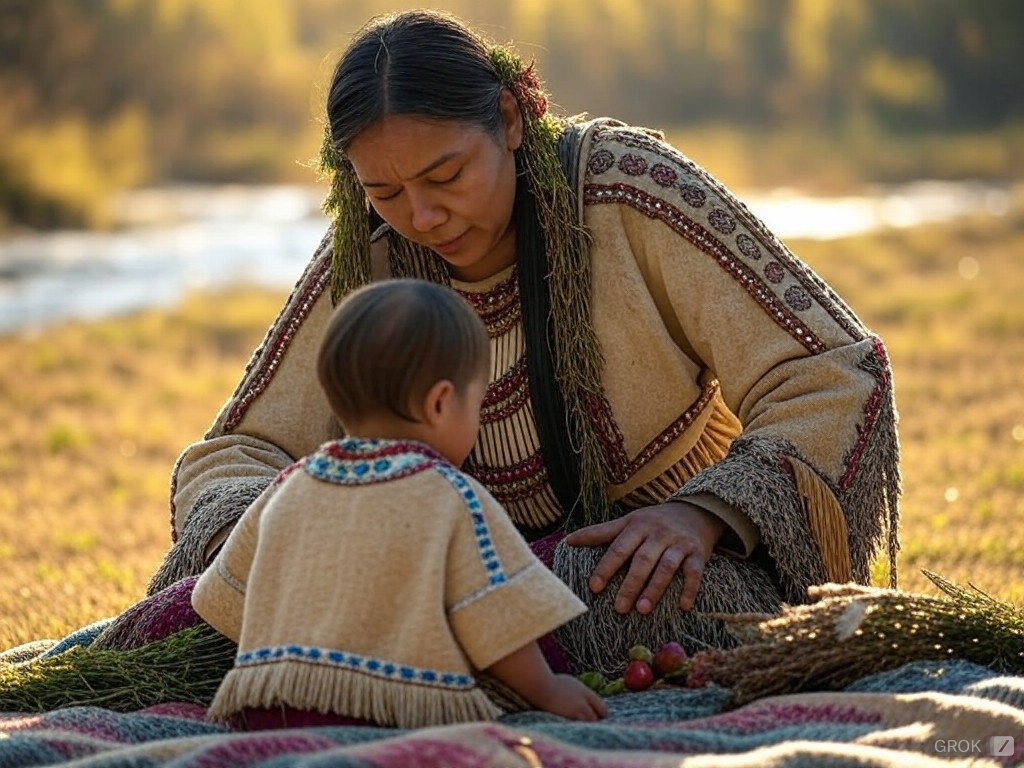
Throughout history, different cultures around the world have developed medical systems deeply rooted in spiritual beliefs and a harmonious relationship with nature. Each medical tradition was tailored to the worldview and cultural practices of its time. From ancient Chinese medicine to the Ayurveda of India, these systems not only treated physical ailments but also aimed to balance the spiritual and emotional aspects of health.
- Ancient Practices: In places like the Amazon, indigenous tribes developed an intimate knowledge of local flora, recognizing dozens of shades of green, each associated with different plants. Their survival depended on understanding the natural world, where healing herbs were as crucial as food sources.
- Primordial Medicine: Early humans learned about medicinal plants often by observing animals or through what they described as direct communication with nature or divine guidance during rituals. This knowledge was passed down orally and through apprenticeships, creating a rich tapestry of herbal wisdom.
- The Healer’s Role: Over time, certain individuals became recognized for their healing abilities, often merging their roles with spiritual or religious duties. They were the sages, priests, or wise women who not only healed but also supported their communities through life’s passages, from birth to death.
Philosophy
The philosophy behind herbal and natural medicine is inherently holistic, aiming to reconnect the body, mind, and spirit. Here’s how:
- Unity with Nature: There’s a growing recognition today that modern medicine should once again respect and learn from nature. We understand that all true healing methods involve restoring individuals to the natural laws of living, which have been consistent across cultures and eras.
- Creation of Disease: There’s an acknowledgment that many modern diseases arise from our disconnection from these natural laws, suggesting that we create our own ailments through lifestyle and disconnection from our environment.
- Healing as Service: The act of healing is seen as a profound expression of love and community service, echoing the communal care in primitive societies where medicine was an honored art.
- Integration of Magic and Medicine: In ancient times, healing often included elements of magic or ritual to alleviate fear and restore confidence. This blend of the mystical with the medicinal reflects an understanding of the psychological aspects of healing.
Contemporary Relevance
As we move into the future, we are in the process of creating a ‘new’ medicine that respects ancient wisdom while integrating modern science. This emerging field of complementary medicine looks back at the truths of old to inform new practices:
- Acknowledging the Past: We pay homage to the millennia of knowledge, understanding that each culture’s approach to healing contributes to a global tapestry of medical wisdom.
- Forward-Looking: We strive to evolve this knowledge, adding to it with new discoveries while ensuring that the core values of respect for nature, holistic health, and community service remain central.
By appreciating and learning from the past, we not only honor those who paved the way but also ensure that the healing arts continue to evolve in a way that serves humanity’s deepest needs for health and connection.




Leave a Reply